
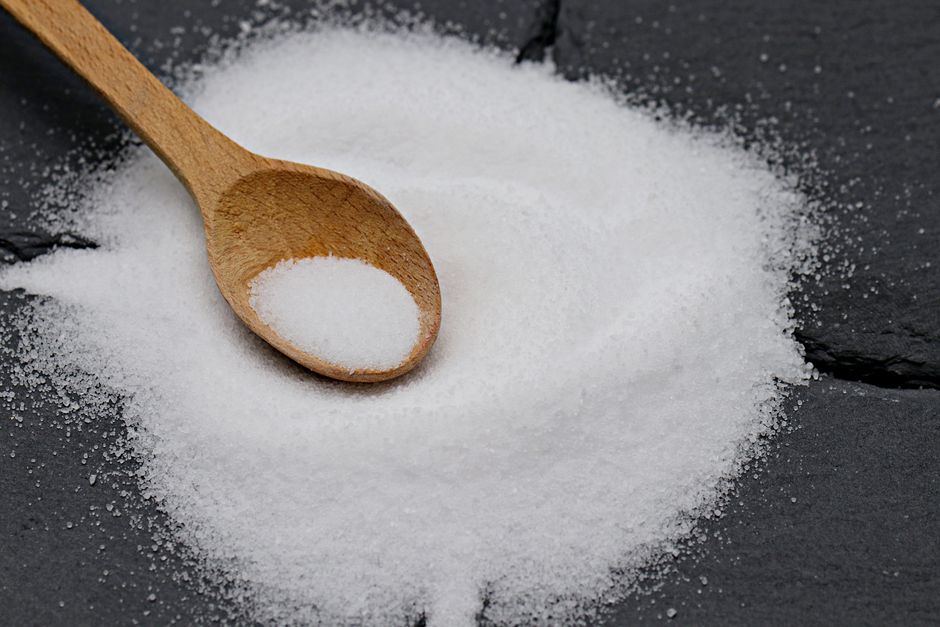
Your body needs sodium to work. It controls fluid balance, helps nerves send signals, and supports muscle function. But most Americans eat far more than they need. The kidneys normally handle the extra by filtering it out and sending it to your bladder. When sodium builds up faster than your body can clear it, water follows, blood volume rises, and blood pressure often climbs with it. Reducing sodium naturally means working with your kidneys, not against them: cut back on the biggest sources, help your body excrete what is already there, and support the systems that regulate fluid balance.
How To Reduce Sodium In Your Body Naturally
The most effective approach combines two things: lowering how much sodium you take in, and supporting the organs that remove it. You cannot “flush” sodium out in hours, and no food or drink instantly neutralizes it. What works is steady, consistent pressure on both sides of the equation.
On the intake side, most of your sodium does not come from the salt shaker. According to the Centers for Disease Control and Prevention, roughly 70 percent of dietary sodium in the US comes from processed and restaurant foods, not from what you add at the table. That changes where you should focus.
On the output side, your kidneys do the heavy lifting. They filter sodium continuously and adjust how much returns to your bloodstream based on what your body needs. Several habits support that process, and a few common ones interfere with it.
The biggest sources to address first
- Deli meats, bacon, sausage, and cured meats
- Canned soups, broths, and packaged noodles
- Frozen prepared meals and pizza
- Bread and rolls (a surprising share of daily sodium for many people)
- Cheese, especially processed varieties
- Restaurant and fast food, which often carries more sodium than a home-cooked version
- Condiments: soy sauce, ketchup, salad dressings, and seasoning blends
You do not have to eliminate these. Cutting back on two or three of the largest ones usually moves the needle more than any single swap.
Why Does Your Body Hold Onto Sodium?
Sodium retention is normal physiology, not a malfunction. Your body keeps sodium concentration within a narrow range because too little or too much disrupts nerve and muscle function.
Several things shift the balance toward holding more:
- High intake over time. The kidneys can excrete excess sodium, but sustained high intake keeps them working against a constant load.
- Certain medications. Some blood pressure drugs, steroids, and nonsteroidal anti-inflammatory drugs (NSAIDs) can promote sodium retention.
- Hormonal changes. Aldosterone tells the kidneys to hold onto sodium. Conditions that raise aldosterone, including some adrenal and kidney disorders, increase retention.
- Heart, kidney, or liver disease. These can impair the body’s ability to excrete sodium, which is why fluid retention is a common sign.
- Age. Kidney function tends to decline gradually with age, which can slow sodium clearance.
If you have sudden swelling, rapid weight gain, or shortness of breath, that is a medical issue, not something to manage with diet alone. See a clinician.
Can Drinking More Water Help You Get Rid of Sodium?
Water helps the kidneys do their job, but it does not “wash out” sodium on its own. The relationship is more specific than that.
Your kidneys need adequate fluid to produce urine and excrete sodium. If you are dehydrated, urine output drops and sodium clearance slows. Staying well hydrated supports normal kidney function. But drinking excessive water does not force extra sodium out, and in rare cases drinking far too much water can dangerously dilute your blood sodium.
The practical takeaway: drink enough to keep your urine pale yellow, and let your kidneys handle the rest. There is no fixed amount that works for everyone. Thirst, activity level, climate, and medications all change your needs.





Which Foods and Nutrients Help Your Body Excrete Sodium?
Potassium is the most important nutrient here. It works alongside sodium to regulate fluid balance, and higher potassium intake promotes sodium excretion by the kidneys.
Potassium-rich foods include:
- Bananas, oranges, and dried apricots
- Potatoes and sweet potatoes (with skin)
- Beans, lentils, and other legumes
- Spinach, Swiss chard, and other leafy greens
- Tomatoes and tomato products
- Yogurt and milk
Most Americans get less potassium than recommended. Increasing it through food is generally the preferred route. Potassium supplements can be risky for people with kidney disease or those taking certain medications, so talk to a clinician before adding them.
Calcium and magnesium also play roles in blood pressure regulation, though the evidence for their direct effect on sodium excretion is less clear than for potassium. Eating a varied diet that includes these minerals is reasonable. Treating them as a sodium-flushing tool is not supported.
Does Exercise Help Lower Sodium Levels?
Exercise affects sodium through sweat and through long-term changes in how your body handles fluid. During a workout, you lose sodium in sweat. How much depends on genetics, heat, fitness level, and how hard you are working. Some people are “salty sweaters” and lose noticeably more than others.
Over time, regular physical activity supports healthier blood pressure and better fluid regulation. It does not directly “detox” sodium, and sweating heavily is not a reliable way to lower your sodium level. In fact, replacing lost sweat with plain water alone during long, intense exercise can dilute blood sodium to dangerous levels, a condition called hyponatremia.
For everyday purposes, moderate exercise helps your cardiovascular system and supports the systems that regulate sodium. It is not a shortcut.
What Lifestyle Habits Affect Sodium Balance?
Several daily habits shift how much sodium your body holds:
- Alcohol. Drinking can affect fluid balance and blood pressure. Heavy drinking is linked to higher blood pressure.
- Sleep. Poor sleep is associated with higher blood pressure and changes in how the body regulates fluid.
- Stress. Chronic stress can raise blood pressure through hormonal pathways, though its direct effect on sodium retention is complex.
- NSAIDs. Regular use of ibuprofen, naproxen, and similar drugs can promote sodium and fluid retention.
- Physical activity. Regular movement supports blood pressure and fluid regulation over time.
None of these replaces the main lever, which is how much sodium you take in. But they matter for the bigger picture.
How Long Does It Take to Lower Sodium Levels?
If you cut back on sodium, your kidneys respond within days. Many people notice changes in bloating and fluid retention fairly quickly. Blood pressure changes tend to take longer and vary widely between individuals.
How fast you see results depends on how much you were taking in, how well your kidneys function, your genetics, and other health conditions. There is no single timeline that applies to everyone, and anyone who tells you otherwise is guessing.
What is well established: reducing sodium intake lowers blood pressure in many people, and the effect is larger in those with existing high blood pressure. The Dietary Guidelines for Americans recommend keeping sodium under 2,300 milligrams per day, with further reduction to 1,500 milligrams per day often recommended for people with hypertension or other risk factors. Most US adults exceed these targets.
What About “Sodium Flush” Drinks and Detox Products?
No clinical evidence confirms that commercial “sodium flush” drinks, detox teas, or cleansing products remove sodium from your body. Your kidneys already do that. These products are not regulated for effectiveness, and some can cause digestive upset or electrolyte imbalances.
Some contain diuretic herbs or high doses of ingredients that may interact with medications. If a product promises to “flush sodium” or “detox” your system, treat that as marketing, not medicine.
The honest position: the habits that work are unglamorous. Eat less processed food. Eat more potassium-rich plants. Drink enough water. Move regularly. Manage the conditions and medications that affect sodium retention. That is the whole list.
Frequently Asked Questions
Can you flush sodium out of your body quickly?
Your kidneys remove excess sodium continuously, but there is no safe way to force it out faster than your body allows. Drinking large amounts of water or using diuretics without medical supervision can be dangerous.
What foods help reduce sodium in the body?
Foods high in potassium, such as bananas, potatoes, beans, spinach, and yogurt, support sodium excretion by the kidneys. Reducing processed and restaurant food lowers how much sodium you take in to begin with.
Does drinking more water lower sodium levels?
Adequate hydration supports normal kidney function and sodium excretion, but drinking extra water does not force sodium out. In rare cases, drinking too much water can dangerously dilute blood sodium.
How long does it take to lower sodium levels naturally?
Kidney response to reduced sodium intake begins within days, and fluid retention often improves quickly. Blood pressure changes take longer and vary by person depending on kidney function, genetics, and other health conditions.
