
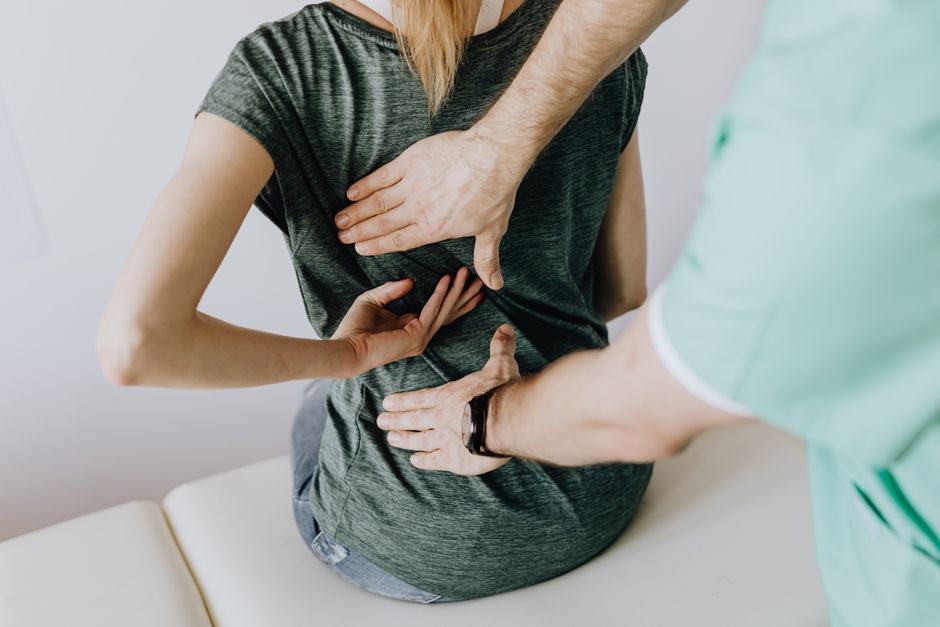
Back pain is one of the most common reasons women in the US see a doctor, and most cases improve without surgery or strong medicine. The core steps are: stay gently active rather than resting in bed, use heat and simple pain relievers for short-term relief, and build strength in your core, hips, and back over time. Women face some distinct drivers — pregnancy, hormonal shifts through menopause, and differences in pelvic anatomy — but the basic approach to reducing back pain is the same, and it works for most people.
Why Is Back Pain More Common In Women?
Women report back pain at higher rates than men, and the reasons are partly structural and partly hormonal. Understanding them helps you target the right steps.
The female pelvis is wider and the angle of the hip joints differs, which changes how load travels through the lower back. Pregnancy adds substantial and shifting mechanical strain, and the hormone relaxin loosens ligaments in ways that can affect stability. After menopause, declining estrogen is linked to faster loss of bone density, which matters for fracture risk and for how the spine handles load.
There are also non-structural factors. Women have higher rates of certain autoimmune and inflammatory conditions that can cause back pain, and they more often carry heavy loads while caring for children or older relatives. None of this means back pain is inevitable. It means the causes are worth understanding so you address the right ones.
What Are The Most Common Causes Of Back Pain In Women?
Most back pain is mechanical — meaning it comes from muscles, joints, discs, or ligaments rather than disease. Strains from lifting, prolonged sitting, and sudden movements are the most frequent triggers.
Several other causes are common enough to know about:
- Muscular strain: Overstretched or overworked muscles and ligaments, often from lifting or awkward movement.
- Disc problems: A bulging or herniated disc can press on a nerve, causing pain that may travel down the leg.
- Osteoarthritis: Wear on the joints of the spine, more common with age.
- Osteoporosis-related changes: Weakened bone can lead to compression fractures, especially after menopause.
- Pelvic floor and core weakness: Poor support from the muscles around the trunk and pelvis can leave the lower back doing more work than it should.
Less common but important causes include kidney problems, endometriosis, and inflammatory conditions such as ankylosing spondylitis. These produce different patterns of pain and usually need medical evaluation rather than self-care alone.
How To Reduce Back Pain For Female? Step By Step
This is the practical sequence. It is built around what research and clinical guidance consistently support: keep moving, manage pain short-term, then build strength and better habits for the long term.
Step 1: Stay gently active
Bed rest beyond a day or two tends to make back pain worse, not better. Prolonged rest weakens muscles and stiffens joints. Gentle movement — short walks, easy daily activities — keeps blood flowing and helps muscles relax. The goal is not to push through sharp pain. It is to avoid becoming still.
Step 2: Use heat and short-term pain relief
Heat — a warm pack, a warm shower — can ease muscle tension and is generally safe. Over-the-counter pain relievers such as ibuprofen or acetaminophen are commonly used for short periods. Ibuprofen is a nonsteroidal anti-inflammatory drug (NSAID) and can irritate the stomach and affect the kidneys, so check with a pharmacist or doctor if you have stomach, kidney, or heart concerns, or take other medications. These relieve symptoms; they do not fix the underlying cause.
Step 3: Improve your posture and setup
There is no single “perfect” posture, but staying in one position for long stretches is hard on the back. If you sit for work, set your chair so your feet rest flat and your screen is at eye level. Stand and move every 30 to 45 minutes if you can. At home, avoid slouching into soft sofas for hours.
Step 4: Build core and hip strength
This is the step most people skip, and it matters most for preventing recurrence. Strong core, hip, and back muscles support the spine and reduce strain. Simple exercises — pelvic tilts, gentle bridges, bird-dogs, and walking — build this support over weeks. A physical therapist can tailor a program if pain is persistent or you are unsure where to start.
Step 5: Manage weight and load
Excess body weight increases load on the lower back, and losing weight can reduce pain for some people. Carrying heavy bags on one shoulder or lifting with a rounded back adds strain. Lift with your legs, keep loads close to your body, and split heavy loads when you can.
Step 6: Protect bone health after menopause
Because bone loss speeds up after menopause, getting enough calcium and vitamin D and doing weight-bearing exercise supports spinal bone strength. Ask your doctor whether a bone density scan is appropriate for you. This step is about preventing fractures, not treating existing pain.
Step 7: Know when to see a doctor
Most back pain settles within a few weeks. See a clinician promptly if you have pain that follows an injury, numbness or weakness in the legs, loss of bladder or bowel control, fever, unexplained weight loss, or pain that wakes you at night. These can signal something that needs medical attention rather than self-care.





Does Exercise Really Help Back Pain?
Yes — exercise is one of the best-supported approaches for both treating and preventing back pain. Research consistently shows that staying active and strengthening the muscles that support the spine reduces pain and improves function, often as well as or better than passive treatments.
The key is consistency over intensity. You do not need a gym. Walking, gentle stretching, and a handful of core exercises done most days can make a real difference over several weeks. The evidence does not support the idea that one specific exercise is best for everyone; the exercise you will actually do regularly is the one that helps most.
Do Hormones And Menopause Affect Back Pain?
They can. Estrogen plays a role in maintaining bone density, and bone loss accelerates after menopause. That raises the risk of compression fractures in the spine, which can cause sudden back pain. This is a real and well-documented link.
Hormonal shifts can also affect muscles and joints more broadly, and some women notice changes in pain patterns around their cycle or during perimenopause. The evidence on exactly how these shifts affect day-to-day back pain is less clear than the bone-density link. What is clear: protecting bone health and staying strong are worthwhile at every stage.
What About Pregnancy And Postpartum Back Pain?
Back pain during pregnancy is very common and usually mechanical — the growing belly shifts your center of gravity, and hormonal changes loosen ligaments. Gentle exercise approved by your clinician, supportive footwear, and attention to lifting and posture can help. Sleep with pillows supporting your belly and between your knees.
After birth, core and pelvic floor strength often need rebuilding, and this is where a physical therapist experienced with postpartum recovery can help. Do not assume pain is something you must simply live with. Persistent postpartum pain deserves assessment.
Which Habits Make Back Pain Worse?
Several everyday habits reliably work against your back. Prolonged sitting tops the list, especially with poor support. Smoking is another — it reduces blood flow to spinal discs and is linked to more back pain and slower healing. Carrying excess weight, lifting with a rounded back, and skipping activity all add strain over time.
There is also a less obvious one: fear of movement. After an episode of pain, it is natural to guard and avoid activity. But prolonged avoidance weakens muscles and can prolong pain. Gradual, confident movement — within comfort — is generally better than protecting the back by staying still.
When Should You See A Doctor For Back Pain?
Most back pain does not need urgent care, but some signs do. Seek prompt medical attention for numbness or weakness in the legs, loss of bladder or bowel control, pain after a fall or injury, fever with back pain, or unexplained weight loss. These can indicate nerve compression, fracture, or infection.
Also see a clinician if pain has not improved after several weeks of self-care, keeps returning, or interferes with sleep and daily life. A doctor can rule out less common causes and guide next steps, including physical therapy or further testing.
Frequently Asked Questions
How can a woman reduce back pain at home?
Stay gently active, use heat, and take short-term over-the-counter pain relief if appropriate, then build core and hip strength over weeks. Avoid prolonged bed rest, which tends to make pain worse.
Does walking help back pain?
Yes, walking is a low-impact way to keep the back moving and is generally well tolerated. Start with short walks and increase gradually as comfort allows.
Why is back pain more common in women?
Differences in pelvic structure, pregnancy, hormonal changes, and faster bone loss after menopause all contribute. Higher rates of certain inflammatory conditions also play a role.
When should back pain be checked by a doctor?
See a clinician promptly for leg numbness or weakness, loss of bladder or bowel control, fever, or pain after an injury. Also seek care if pain persists for several weeks despite self-care.
