
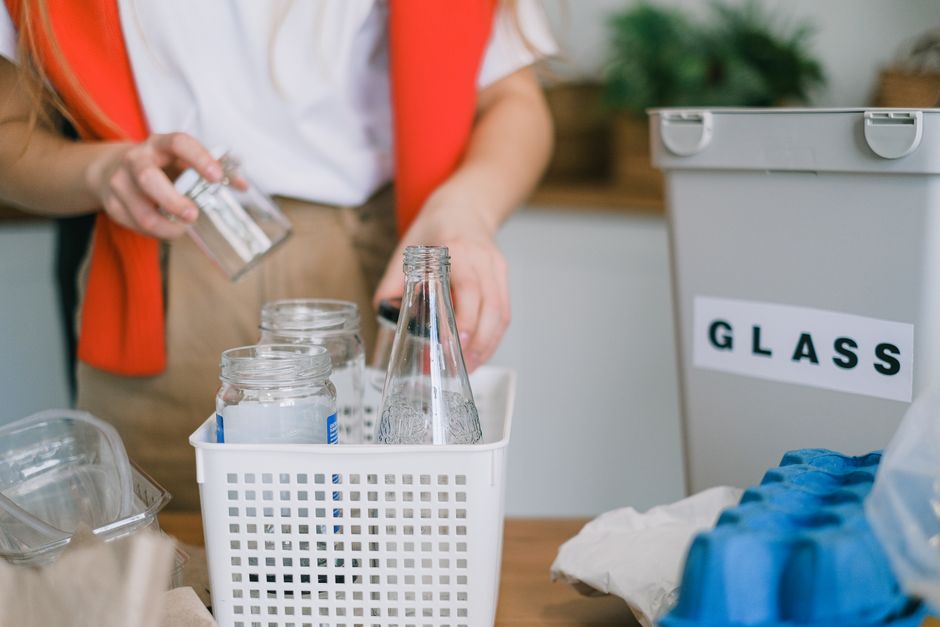
Recycling more comes down to six practical habits: know what your local program actually accepts, keep recyclables clean and dry, never bag them, flatten cardboard, keep plastic bags out of curbside bins, and buy products made from recycled material. These steps matter more than effort. Most recycling failures happen because of contamination, not because people do not care.
Here is the part that surprises people. A single greasy pizza box or a tangle of plastic wrap can send a whole truckload to the landfill. Recycling is a business with strict quality standards. Getting the basics right does more than trying to recycle everything.
Why Does Recycling Correctly Matter More Than Recycling More?
Recycling only works when the material that reaches a processing facility can actually be sold and remade into something new. That is the whole point. Sorting machines, buyers, and paper mills all depend on clean, consistent material.
Contamination is the biggest problem in curbside recycling. When food residue, plastic bags, or non-recyclable items get mixed in, they can jam sorting equipment or ruin entire batches of paper and plastic. A load of paper with too much moisture or food waste may be rejected outright.
This is why the old instinct to “recycle everything and let them sort it out” backfires. Wishful recycling, sometimes called wishcycling, puts things in the bin that do not belong there. That raises costs and lowers the value of the material that could have been recycled.
The better goal is not volume. It is accuracy. A smaller bin of clean, accepted material does far more good than a full bin of mixed junk.
How Do You Find Out What Your Local Program Accepts?
Recycling rules are set locally, and they vary widely from one city or county to the next. There is no single national list. What is accepted in one town may be rejected a few miles away.
Your best source is your own municipal or county recycling program, usually found on the local government website. Many programs also mail a guide or provide a search tool where you type in an item and get a yes or no answer. Use it for anything you are unsure about.
Pay attention to these common points of confusion:
- Plastic numbers. The number inside the triangle on plastic packaging identifies the resin type, not whether your program accepts it. Many programs now take only plastic bottles and jugs, regardless of the number.
- Glass. Some programs accept all colors, some accept only certain colors, and some have dropped glass entirely because of cost.
- Paper. Most programs take newspaper, cardboard, and office paper. Shredded paper is often not accepted at curbside because it clogs sorting equipment.
- Cartons and clamshells. These vary a lot by location. Check before tossing them in.
If you move or your hauler changes, recheck the rules. Programs shift as markets for recycled material change.
Why Should Recyclables Stay Clean and Dry?
Clean and dry is the single most useful habit in curbside recycling. Food residue and moisture are two of the main reasons recyclable material gets rejected.
A quick rinse is enough for jars, cans, and containers. You do not need to scrub them or run them through the dishwasher. Emptying and scraping out food is the key step. A little residue is fine; a jar half full of sauce is not.
Keeping material dry matters just as much. Wet paper breaks down and becomes hard to recycle. That is why you should keep your recycling bin closed on rainy days and never put wet paper in with dry.
One clarification worth knowing: you do not need to remove every label or scrub off every bit of glue. Modern recycling processes handle small amounts of label and adhesive. The goal is removing food and liquid, not making items look new.





Should You Ever Bag Your Recyclables?
No. Never put recyclables in plastic bags and toss the bag in the bin. This is one of the most damaging mistakes in curbside recycling.
Bags are a serious problem for sorting facilities. Plastic bags and film wrap around the spinning discs and gears that separate materials. Workers have to stop the line and cut the bags out by hand, which slows the whole operation and creates safety risks.
For the same reason, keep loose plastic bags, plastic wrap, and other soft film out of your curbside bin entirely. Many grocery stores and retailers collect these materials separately, so check for a drop-off location near you. Just do not put them in the curbside bin.
Put recyclables loose in the bin. That single change prevents a lot of trouble downstream.
How Should You Handle Cardboard and Paper?
Flatten cardboard boxes before putting them in the bin. Flattening saves space, helps material move through sorting equipment, and lets more recyclables fit in the truck.
Keep paper dry and out of plastic bags. As mentioned, shredded paper is usually not accepted at curbside because it tangles in sorting machines. Some programs accept it if it is placed inside a paper bag or a clear bag, but you need to confirm this with your local program rather than assume.
Greasy or food-soiled paper, like pizza boxes with heavy cheese residue, is generally not recyclable. A lightly stained corner may be fine, but a box soaked with grease should go in the trash or compost. Check whether your program accepts pizza boxes at all before relying on it.
What Is the Biggest Recycling Mistake People Make?
The biggest mistake is putting things in the bin hoping they will be recycled, rather than knowing they will be. This is wishcycling, and it does real harm.
Common items people wrongly put in curbside bins include plastic bags, Styrofoam, greasy food containers, and items like cords or hoses that tangle machinery. These belong in the trash or a special drop-off program.
When in doubt, throw it out. That advice sounds backward, but it is what recycling programs want. A clean bin of material that can be processed is worth far more than a full bin that gets rejected.
How Do You Support Recycling Beyond the Bin?
Recycling does not end when the truck leaves. The system only works if there is demand for recycled material, and that demand comes from what people and businesses buy.
Buying products made from recycled content helps create a market for the material you sort. Look for packaging and products labeled as containing recycled material. This closes the loop and gives recyclers somewhere to sell what they collect.
Reducing what you use in the first place matters too. Recycling is one part of waste management, not a substitute for buying less. Choosing products with less packaging, reusing containers, and repairing items instead of replacing them all reduce the material that needs to be processed.
Composting food scraps is another meaningful step where local programs exist. Food waste that goes to compost does not need to be sorted out of recycling later.
Frequently Asked Questions
Do I need to rinse recyclables before putting them in the bin?
A quick rinse or scrape is enough to remove food residue. You do not need to scrub items clean or run them through the dishwasher.
Can I recycle plastic bags in my curbside bin?
No. Plastic bags and film tangle sorting equipment and should never go in curbside bins. Many grocery stores collect them separately for drop-off.
What does the number inside the recycling triangle mean?
It identifies the type of plastic resin, not whether your local program accepts it. Always check your local rules rather than relying on the number.
Is it bad to recycle something I am not sure about?
Yes, if it is not accepted locally. Putting non-recyclable items in the bin contaminates the load and can cause entire batches to be rejected.
