
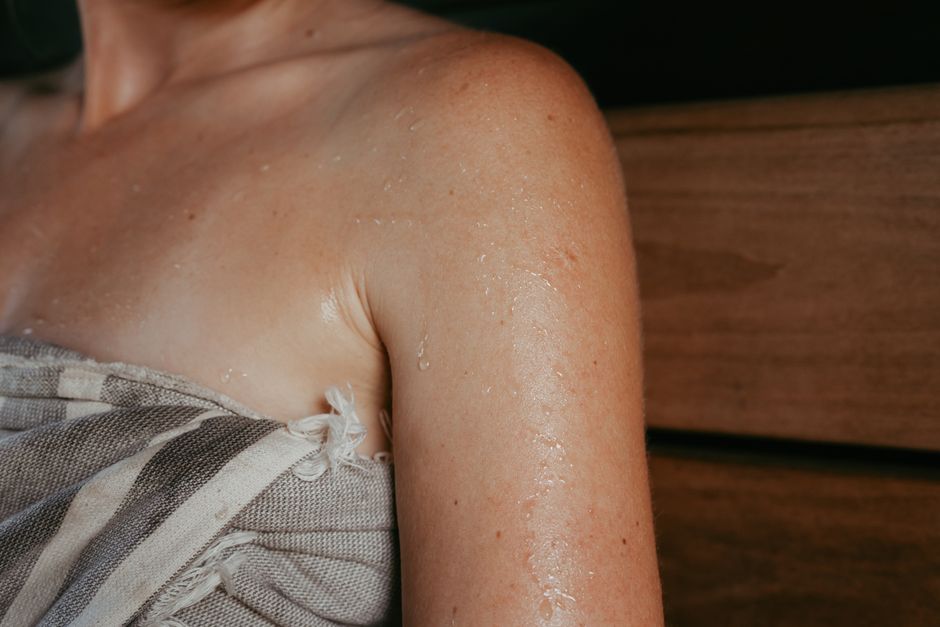
Night sweats are not the same as feeling a little warm in bed. They are repeated episodes of heavy sweating that soak through your clothes and sheets, often waking you up. Stopping them starts with finding the cause, because the right fix depends entirely on why they are happening. For many people, the answer is simple — adjusting the bedroom temperature or changing a medication. For others, the cause needs medical evaluation. Here is what actually works, based on the evidence.
What Causes Night Sweats in the First Place?
Your body sweats at night for the same reason it sweats during the day — to cool down. The difference is that night sweats happen when your body’s thermostat gets triggered when it should not. That trigger varies by person.
Hormonal changes are the most common cause. Perimenopause and menopause cause estrogen levels to drop, which disrupts the hypothalamus — the part of the brain that regulates temperature. The brain thinks you are overheating and signals your sweat glands to turn on. This is why hot flashes and night sweats are so common in women in their late 40s and 50s.
Other causes include infections, certain medications, low blood sugar, anxiety, and some medical conditions. Even a heavy blanket or a warm room can push a borderline situation over the edge. The key is figuring out which category applies to you.
How Do You Stop Night Sweats — What Actually Works First?
Start with the environment. It is the easiest fix and often the most effective. Keep your bedroom cool — somewhere between 60 and 67 degrees Fahrenheit is a reasonable target for most people. Use lightweight, breathable bedding made from cotton or bamboo rather than synthetic fabrics that trap heat. Wear loose cotton pajamas. If you sweat through one layer, change it and go back to sleep rather than lying in wet clothing.
If you are in perimenopause or menopause, hormonal changes are likely driving the problem. Hormone therapy — often called menopausal hormone therapy — is the most effective treatment for hot flashes and night sweats. It replaces the estrogen your body is no longer making in the same amounts. Many women find their night sweats improve significantly within a few weeks. This is a prescription decision that requires a conversation with your doctor about your personal risks and benefits.
For women who cannot or prefer not to take hormones, some non-hormonal prescription options exist. Certain antidepressants, blood pressure medications, and seizure medications have been shown to reduce hot flashes. These are not the primary use of these drugs, but clinical trials have demonstrated their effectiveness for this purpose. Your doctor can discuss whether any of these make sense for you.
Could a Medication You Take Be Causing Night Sweats?
Several common medications list night sweats as a side effect. Antidepressants are among the most frequent culprits. Some people taking SSRIs or SNRIs experience increased sweating, including at night. This can be frustrating because the medication is helping with mood, but the side effect disrupts sleep.
Other medications linked to night sweats include certain diabetes drugs that lower blood sugar, steroids, and some pain medications. If you started a new medication around the same time your night sweats began, that timing matters. Do not stop any prescription medication on your own. Talk to your doctor about the timing and ask whether an alternative exists.
Alcohol is another trigger. Drinking alcohol — especially in the evening — can cause blood vessels to dilate and increase heart rate, both of which raise body temperature. Many people notice night sweats on nights after they have had a few drinks. Reducing or eliminating alcohol, particularly in the hours before bed, is a practical step worth testing.





When Night Sweats Signal a Medical Problem
Most night sweats are benign. But sometimes they point to an underlying condition that needs treatment. Infections are a classic cause. Tuberculosis is historically associated with night sweats, though it is less common in the United States now. Other infections, including some viral illnesses, can cause them too.
Low blood sugar — called hypoglycemia — can trigger night sweats, especially in people with diabetes who take insulin or certain oral medications. If you wake up drenched and also feel shaky, confused, or have a rapid heartbeat, low blood sugar may be the cause. Checking your glucose levels during these episodes can help your doctor determine if this is happening.
Some cancers, particularly lymphoma, can present with night sweats. This is rare, but it is one reason persistent night sweats deserve medical attention. Sleep apnea has also been linked to night sweats. The repeated pauses in breathing during sleep stress the body and can trigger sweating as part of the arousal response.
See a doctor if your night sweats are severe, happen regularly, or come with other symptoms like unexplained weight loss, fever, or persistent fatigue. These combinations warrant a proper evaluation rather than home remedies.
What About Diet and Supplements?
Diet plays a smaller role than many online sources suggest. Spicy foods can trigger sweating in some people because capsaicin — the compound that makes peppers hot — raises body temperature. Caffeine and hot drinks close to bedtime can also increase core temperature. If you notice a pattern, try eliminating these in the evening and see if your night sweats improve.
Supplements are a different story. Many products claim to stop night sweats, but the evidence is thin. Soy isoflavones, black cohosh, and evening primrose oil have all been studied for menopausal symptoms. Results are mixed. Some studies show modest benefit for hot flashes, but the effect is often small and inconsistent. No large, high-quality trial has confirmed that any supplement reliably stops night sweats.
Be cautious with products that promise dramatic results. If a supplement worked as well as hormone therapy, clinical trials would show it. They do not. If you choose to try a supplement, mention it to your doctor. Some interact with medications or have effects on the liver that are not widely discussed.
Lifestyle Adjustments That Help
Regular exercise can help regulate your body’s temperature response over time. Some research suggests that women who exercise regularly report fewer hot flashes, though the effect is not dramatic. Exercise also improves sleep quality overall, which can make night sweats less disruptive when they do occur.
Stress management matters more than most people realize. Anxiety and stress activate the same fight-or-flight system that raises body temperature. If you are under chronic stress, your baseline arousal level may be higher, making night sweats more likely. Practices like deep breathing, progressive muscle relaxation, or simply winding down for 30 minutes before bed can help lower that baseline.
Pay attention to the timing of your last meal. Eating a large meal close to bedtime raises your metabolism and body temperature as digestion works. Finishing dinner at least two to three hours before bed gives your body time to complete the initial phase of digestion before you sleep.
A Practical Plan to Try Tonight
Here is a step-by-step approach that addresses the most common causes first:
- Lower the thermostat and use a fan if needed
- Switch to moisture-wicking or cotton sleepwear and sheets
- Keep a dry set of pajamas and a towel by the bed
- Skip alcohol and spicy foods in the evening
- Drink water before bed but avoid excess fluids that might cause nighttime urination
- If you wake up sweaty, change clothes quickly and go back to sleep
Track your night sweats for two weeks. Note the date, how severe they were, what you ate and drank, what medications you took, and whether anything else felt different. This record is genuinely useful when you talk to a doctor. Patterns often emerge that are not obvious day to day.
What to Expect When You See a Doctor
Your doctor will likely start with questions about your history and do a physical exam. Blood tests may check for thyroid problems, blood sugar issues, or signs of infection. If you are a woman in the perimenopausal age range, your doctor may conclude that hormonal changes are the cause based on your symptoms alone — no test is needed to confirm menopause.
Be honest about alcohol use, medications, and supplements. These details matter. A medication you take for something unrelated could be the entire explanation. Your doctor cannot make an accurate assessment without the full picture.
Treatment will depend on what the evaluation finds. If the cause is menopause, hormone therapy or non-hormonal options are available. If it is a medication side effect, a change in prescription may help. If it is an underlying condition, treating that condition is the path forward. When no clear cause is found, focusing on environmental and lifestyle adjustments is the reasonable approach.
Frequently Asked Questions
Can dehydration cause night sweats?
Dehydration itself does not typically cause night sweats. However, being dehydrated can make it harder for your body to regulate temperature effectively, which may worsen sweating episodes if another trigger is present.
Are night sweats a sign of pregnancy?
Yes, hormone changes in early pregnancy can cause night sweats in some women. If you are pregnant and experiencing night sweats, mention it to your obstetrician to rule out other causes.
How long do menopause night sweats last?
Hot flashes and night sweats typically last for several years around the menopause transition. Some women experience them for a shorter period, while others continue having symptoms for a decade or more.
Can thyroid problems cause night sweats?
Yes, an overactive thyroid can increase metabolism and body temperature, leading to night sweats. A simple blood test measuring thyroid hormone levels can determine if this is the cause.
