
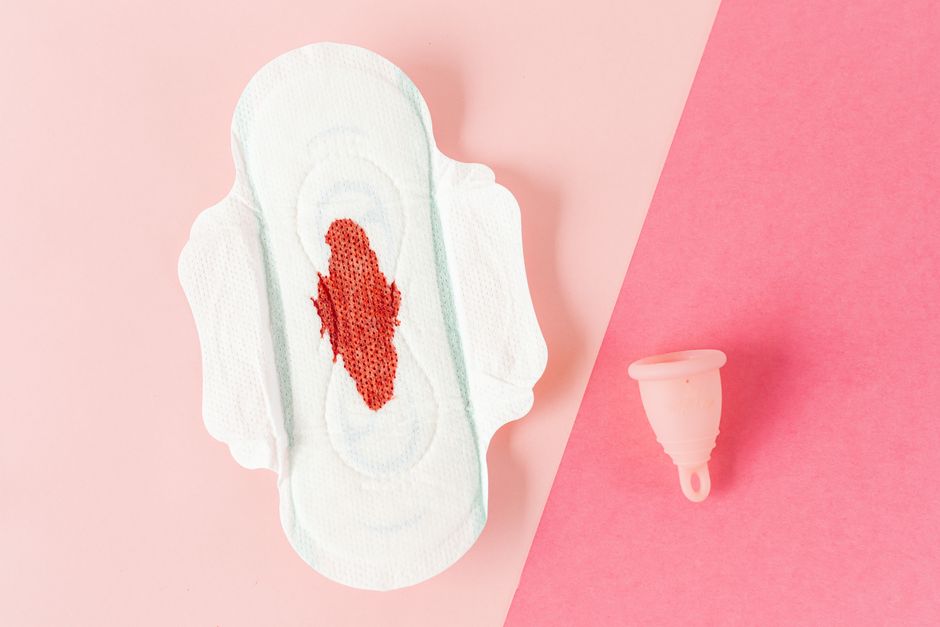
Delaying your period is a common request, and there are medically approved ways to do it. The methods that actually work use prescription hormones to keep your uterine lining stable until you are ready for your period to come. Over-the-counter pills, herbal teas, or vitamin supplements have no reliable evidence to support them for this purpose.
How Can I Delay My Period What Actually Works
The only methods proven to delay a period involve prescription medication. These are hormonal treatments that prevent the drop in progesterone that triggers your uterine lining to shed. Without that drop, your period does not start.
Two main approaches are used by doctors. The first is continuous use of a combined birth control pill. The second is a prescription medication called norethisterone, which is a type of progestogen. Both work by keeping your hormone levels steady.
If you already take a combined pill, delaying your period is straightforward. You skip the placebo or sugar pills and start the next pack immediately. This keeps the hormone levels constant, and your period will not arrive until you take a break and have the placebo week.
If you do not take the pill, doctors can prescribe norethisterone. You take it three days before your period is expected and continue until you want your period to start. When you stop taking it, your period typically arrives within a few days.
These treatments are not the same thing. One is a continuation of your existing contraception. The other is a short-term medication used only for delaying a single period. Both require a prescription in most countries.
How Does the Menstrual Cycle Normally Work?
To understand why these methods work, it helps to know what happens in a typical cycle. Your cycle is driven by hormones that prepare the uterus for a possible pregnancy.
After ovulation, the empty follicle in the ovary forms the corpus luteum. This structure produces progesterone. Progesterone thickens the uterine lining and keeps it stable. It prevents the lining from shedding early.
If pregnancy does not occur, the corpus luteum breaks down. Progesterone levels fall sharply. This drop signals the uterine lining to break down and shed. That shedding is your period.
So the key event is the progesterone drop. Delay that drop, and you delay your period. This is exactly what the hormonal methods do.
Using Birth Control Pills to Delay Your Period
Combined birth control pills contain estrogen and progestin. They are taken for 21 active days followed by 7 placebo days in a standard pack. During the placebo week, hormone levels fall, and you get a withdrawal bleed.
This withdrawal bleed is not a natural period, but it looks and feels like one. To delay it, you simply skip the placebo pills. You finish the active pills and start the next pack the next day.
You can delay your period this way for as long as you keep taking active pills. Many people use this method for holidays, weddings, or important events. Some people take the pill continuously for months at a time to avoid periods entirely.
If you use a vaginal ring, the same principle applies. The ring is worn for three weeks and removed for one week. To delay your period, you replace the ring with a new one immediately instead of leaving it out for the ring-free week.
The progestin-only pill, sometimes called the mini pill, works differently. It does not reliably prevent ovulation in all people. Taking it continuously may not prevent breakthrough bleeding, so it is less reliable for delaying a period.





What Is Norethisterone and How Is It Used?
Norethisterone is a prescription progestogen medication. It is not a contraceptive. It is used specifically to delay a period for a short time.
You typically take it three times a day, starting three days before your expected period. You continue taking it until you are ready for your period to start, usually for a maximum of 10 to 14 days. When you stop, your period arrives within a few days.
This medication works by maintaining progesterone levels in your body. It keeps the uterine lining stable, preventing it from shedding. Your period cannot start while the lining is being held in place.
Norethisterone is not suitable for everyone. People with a history of blood clots, certain types of migraine, or liver disease may not be able to take it. Your doctor will review your medical history before prescribing it.
Some research suggests that a different progestogen called medroxyprogesterone acetate may also be used for this purpose. However, norethisterone is the most commonly prescribed medication for delaying a period in clinical practice.
Do Natural Remedies or Supplements Work?
No clinical evidence confirms that any natural remedy can delay a period. Herbal teas, vitamin C, or supplements are sometimes discussed online, but none have been shown to work in human studies.
Some people suggest that vitamin C or parsley tea can affect progesterone levels. These claims are not supported by reliable research. The amounts needed would likely be unsafe, and there is no evidence they change your cycle.
Exercise or stress reduction will not reliably delay a period either. While extreme stress can sometimes disrupt a cycle, you cannot control this. It is not a method you can depend on for a specific date.
The honest position is clear: if you need to delay your period for a specific event, hormonal medication is your only evidence-based option. Anything else is guesswork.
Are There Risks or Side Effects?
All hormonal methods have potential side effects. These are generally mild and temporary, but you should know about them before deciding.
Common side effects of delaying your period with hormones include nausea, breast tenderness, headaches, and breakthrough bleeding or spotting. These symptoms usually resolve once you stop the medication and your period arrives.
Breakthrough bleeding is the most common reason people stop this approach. It happens when the uterine lining becomes unstable despite the hormones. It is not dangerous, but it can be annoying.
More serious risks are rare. Combined birth control pills slightly increase the risk of blood clots, especially in people who smoke and are over 35. Norethisterone carries a similar small risk. Your doctor will assess whether these risks apply to you.
Using the pill continuously for several months is generally considered safe for most healthy people who do not smoke. However, it is always worth discussing with your doctor if you plan to do this regularly.
When Should You See a Doctor Before Trying This?
You should not attempt to delay your period with hormones without speaking to a doctor first. These are prescription medications, and a medical assessment is required for a reason.
If you are over 35 and smoke, you may not be able to use combined hormonal methods. The risk of blood clots and cardiovascular problems is higher in this group. Your doctor may recommend norethisterone instead, or advise against delaying your period.
People with a history of blood clots, stroke, or certain types of migraine with aura should also avoid estrogen-containing methods. Norethisterone may be an option, but only after a careful review of your history.
If you have irregular bleeding or are unsure whether you might be pregnant, a doctor should evaluate you first. Delaying a period when you are already pregnant can cause confusion and delay important prenatal care.
A doctor can also confirm that your period is actually due when you think it is. Cycle timing can be off by a few days, and taking medication at the wrong time may not work.
Frequently Asked Questions
How many days can I safely delay my period?
You can generally delay your period for up to 10 to 14 days with norethisterone. With continuous birth control pills, you can delay it for as long as you keep taking active pills, but discuss extended use with your doctor.
Will I still get pregnant if I delay my period with norethisterone?
Yes, norethisterone is not a contraceptive and does not prevent pregnancy. You need to use your usual contraception if you are sexually active while taking it.
Is it safe to delay my period every month?
Continuous use of birth control pills is considered safe for many healthy people, but it is best to discuss this with your doctor. Taking norethisterone every month is not the intended use and should not be done without medical advice.
What happens if I take norethisterone but my period starts anyway?
Breakthrough bleeding can happen even when you take the medication correctly. If you start bleeding, continue taking the tablets as prescribed unless your doctor tells you otherwise, and contact your doctor for advice.
