

Recovering from physical exhaustion is not about one magic fix. It is about doing several things that research actually supports. Sleep is the foundation. Nutrition provides the raw materials. Stress management stops the cycle from restarting. This article walks through what the evidence says works for real recovery — and what is a waste of your time.
What Causes Physical Exhaustion and Why Rest Alone May Not Be Enough
Physical exhaustion is more than being tired after a long week. It is a state where your body’s energy systems are depleted and your nervous system is strained. The CDC reports that 1 in 5 US adults experience chronic fatigue that interferes with daily life. That is not just being sleepy. That is exhaustion that does not go away with one good night of sleep.
When you are physically exhausted your body has low glycogen stores in muscles. Your cortisol levels may be elevated from prolonged stress. Your sleep quality is often poor even if you spend enough hours in bed. This is why simply telling someone to “get more rest” often fails. You need to address the underlying causes.
Common causes include overtraining without enough recovery days. Chronic stress from work or family responsibilities. Poor sleep hygiene. And inadequate nutrition — especially not enough protein or carbohydrates to support muscle repair. Some people also have undiagnosed medical conditions like anemia or thyroid disorders. If exhaustion persists for more than a few weeks despite good habits see a doctor.
How To Recover From Physical Exhaustion What Works According to Research
Research published in the journal Sports Medicine found that active recovery methods beat complete rest for most cases of physical exhaustion. Complete rest can actually delay recovery by reducing blood flow and slowing waste removal from muscles. Light movement like walking or gentle stretching helps clear metabolic waste and delivers oxygen to tissues.
Sleep is the single most effective recovery tool. The National Sleep Foundation recommends 7 to 9 hours per night for adults. But quality matters more than quantity. Deep sleep stages are when growth hormone is released and muscle repair happens. To improve deep sleep keep your bedroom cool around 65 degrees. Avoid screens for at least one hour before bed. And keep your sleep and wake times consistent even on weekends.
Nutrition plays a direct role. Protein intake of 20 to 40 grams per meal supports muscle repair. Carbohydrates replenish glycogen stores. A study in the Journal of the International Society of Sports Nutrition found that consuming protein within two hours after intense activity improved recovery markers. Hydration is equally important. Even mild dehydration — losing just 2 percent of body weight in fluid — reduces physical performance and prolongs fatigue.
What to Eat and Drink for Faster Recovery
Your body needs specific nutrients to repair itself after exhaustion. Protein provides amino acids that rebuild muscle tissue. Carbohydrates restore glycogen. Electrolytes like sodium potassium and magnesium support nerve function and muscle contraction. Without these your recovery will be slower regardless of how much you rest.
Good food choices include lean meats eggs dairy beans and legumes for protein. Whole grains fruits and starchy vegetables for carbohydrates. Leafy greens nuts and seeds for micronutrients. A study in Nutrients found that tart cherry juice reduced muscle soreness and improved sleep duration in athletes. The mechanism appears to be anti-inflammatory compounds called polyphenols.
What about supplements? Creatine monohydrate has strong evidence for muscle recovery. The International Society of Sports Nutrition states that creatine is one of the most effective supplements for improving recovery from high-intensity exercise. Magnesium glycinate may help with sleep quality. But most supplements sold for “energy recovery” are overhyped and understudied. Save your money on anything that promises “instant” recovery.



Active Recovery vs Complete Rest When to Do Each
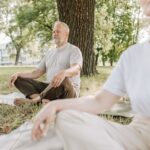
Active recovery means low-intensity movement that keeps blood flowing without stressing your body further. Walking swimming gentle yoga and light cycling qualify. The key is intensity. Your heart rate should stay below 120 beats per minute. You should be able to hold a conversation easily. If you cannot breathe through your nose during the activity you are going too hard.
Complete rest is appropriate in specific situations. If you have a fever. If you are injured. If you have not slept more than four hours in a night. Or if any movement makes your exhaustion worse rather than better. In those cases lying down and doing nothing is the right call. But for most people most of the time active recovery outperforms complete rest.
Here is a simple comparison of when to use each approach:
| Condition | Active Recovery | Complete Rest |
|---|---|---|
| Normal muscle soreness | Yes — light movement helps | Not needed |
| Overtraining syndrome | Maybe — very light only | Often needed for days |
| Illness with fever | No | Yes — until fever breaks |
| Sleep deprivation | No — rest and sleep first | Yes — prioritize sleep |
| Chronic stress exhaustion | Yes — walking is beneficial | Not long term |
What to Avoid When Recovering From Physical Exhaustion
Many common recovery strategies are backed by weak evidence or outright harmful. Caffeine is a good example. Drinking coffee or energy drinks can temporarily mask fatigue. But caffeine does not fix the underlying energy deficit. It blocks adenosine receptors in your brain which makes you feel less tired. When the caffeine wears off the exhaustion returns often worse than before. Limit caffeine after noon if you are recovering from exhaustion.
Alcohol is another problem. Even one drink before bed disrupts REM sleep and reduces growth hormone release. A study in the Journal of Clinical Sleep Medicine found that alcohol consumed within four hours of bedtime increased nighttime awakenings and reduced sleep quality. If you are physically exhausted alcohol will slow your recovery significantly.
Avoid the “push through it” mentality. Some people believe that working harder through exhaustion builds resilience. That is false for physical recovery. Pushing through exhaustion without adequate rest leads to overtraining syndrome which can take months to reverse. Signs include persistent fatigue mood changes increased injury rate and poor sleep despite being tired. If you notice these signs back off immediately.
Also avoid quick-fix supplements that promise energy without evidence. Many products contain proprietary blends with undisclosed amounts of ingredients. The FDA does not review these for safety or effectiveness before they hit shelves. Stick with foods and supplements that have actual research behind them.
Common Misconceptions About Recovery From Exhaustion
One widespread myth is that you need to “sweat out” the fatigue. This is not supported by evidence. Sweating does not remove toxins in any meaningful way. Your liver and kidneys handle detoxification. Exercising when exhausted just adds more stress to an already strained system. Heat exposure from saunas may have some recovery benefits but only when you are already hydrated and rested.
Another misconception is that more sleep is always better. Sleeping more than nine hours regularly can actually worsen fatigue for some people. Oversleeping disrupts your circadian rhythm and can leave you feeling groggy. The goal is consistent quality sleep within the seven to nine hour range. Not unlimited sleep.
Some people believe that recovery drinks or electrolyte tablets are necessary after any physical activity. This is only true if you have exercised intensely for more than 60 minutes in heat. For most daily activity water and a normal meal are sufficient. Electrolyte products are overused and often contain added sugar that is unnecessary.
Finally the idea that you can “catch up” on sleep over the weekend is mostly false. Research shows that chronic sleep debt cannot be fully repaid with two days of extra sleep. The cognitive and physical effects accumulate over time. Consistent sleep across the week is far more effective than weekend recovery.
Frequently Asked Questions
How long does it take to recover from physical exhaustion?
Recovery time varies widely from a few days to several weeks depending on the cause and severity. Mild exhaustion from a single event usually resolves in two to three days with proper rest and nutrition.
Can you recover from exhaustion without changing your diet?
It is difficult because your body needs protein carbohydrates and micronutrients to repair tissues and replenish energy stores. Diet changes speed recovery significantly.
Is it safe to exercise when you feel physically exhausted?
Light movement like walking is safe and helpful for most people. Intense exercise when exhausted increases injury risk and may prolong recovery time.
What is the fastest way to recover from physical exhaustion?
Prioritizing quality sleep consuming protein within two hours of activity and doing light movement are the fastest evidence-based methods. No single shortcut replaces these fundamentals.
