
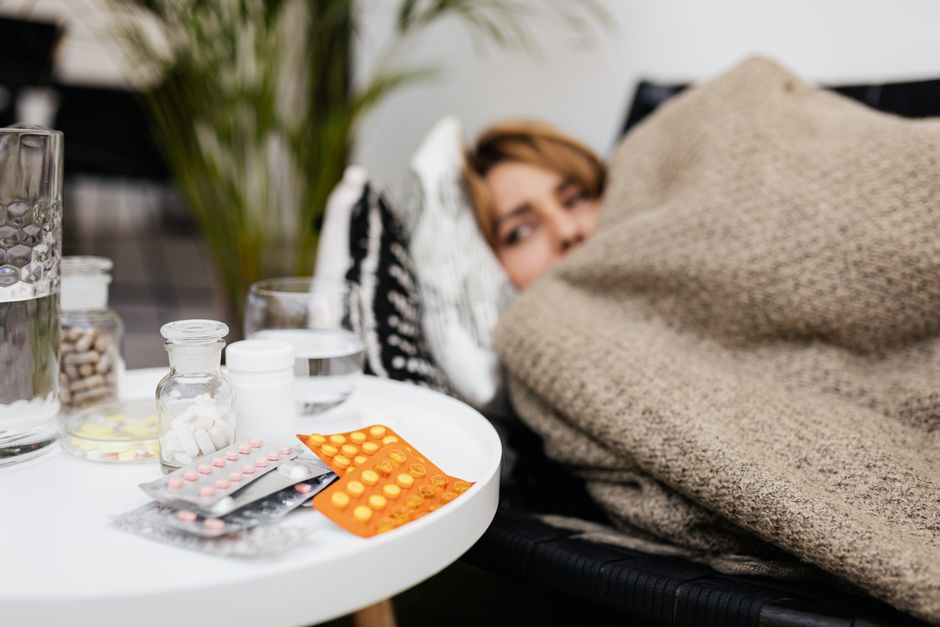
Getting sick is miserable. You want it to stop. The honest answer is that most colds and flu just need time. Your immune system does the real work. But you can make yourself more comfortable. You can support your body. And you can avoid things that make it worse. The goal is not to “cure” a virus overnight. The goal is to feel as human as possible while your body fights it off. Rest, fluids, and time are the foundation. Everything else is a bonus.
Does Rest Really Help You Recover Faster?
Yes. Research shows that rest is one of the most effective things you can do. When you are sick, your body redirects energy to your immune system. Physical activity takes energy away from that fight. A study in the journal Brain, Behavior, and Immunity found that sleep deprivation weakens immune response. People who slept less than seven hours were nearly three times more likely to catch a cold in a controlled exposure study.
Rest does not mean you must stay in bed all day. It means reducing physical demands. If you feel able to sit up and read or watch a show, that is fine. But avoid exercise, heavy chores, and long periods of standing. Listen to your body. If you feel worse after doing something, you did too much. Rest is not laziness. It is active recovery.
What Fluids Actually Help and Which Ones Do Not?
Staying hydrated is critical. When you are sick, you lose fluids through sweat, mucus, and sometimes fever. Dehydration makes symptoms worse. It can cause headaches, dizziness, and slower recovery. The CDC recommends drinking plenty of fluids when you are sick.
Water is the best choice. But if you have been sweating or have a fever, you also need electrolytes. Sports drinks work, but they have a lot of sugar. Pedialyte or similar rehydration solutions have less sugar and more balanced electrolytes. Some studies suggest that coconut water can help, but it is not as well-studied as standard rehydration drinks.
Caffeinated drinks like coffee and soda can dehydrate you if you drink too much. One cup of coffee is probably fine. But do not rely on it. Alcohol is a definite no. It dehydrates you and suppresses your immune system. The National Institute on Alcohol Abuse and Alcoholism states that alcohol impairs the immune system’s ability to fight infection.
Warm liquids like tea or broth have an extra benefit. They soothe sore throats and help loosen congestion. Chicken soup actually has some evidence behind it. A study from the University of Nebraska Medical Center found that chicken soup has anti-inflammatory effects that can ease cold symptoms.
Do Over-the-Counter Medicines Work or Are They a Waste of Money?
Some work well for specific symptoms. Others are a mix of ingredients that may not help you. The key is to match the medicine to your symptoms. Do not take a “multi-symptom” cold medicine if you only have a stuffy nose. You end up taking drugs you do not need.
Here is what the evidence says for common symptoms:
- Fever and body aches: Acetaminophen (Tylenol) and ibuprofen (Advil, Motrin) work well. They reduce fever and relieve pain. Ibuprofen also reduces inflammation. Do not take both at the same time unless a doctor tells you to.
- Stuffy nose: Decongestants like pseudoephedrine (Sudafed) can help. They shrink blood vessels in the nasal passages. But they can raise blood pressure. If you have high blood pressure, check with your doctor first. Nasal sprays like oxymetazoline (Afrin) work fast but should not be used more than three days. Longer use can cause rebound congestion.
- Runny nose and sneezing: Antihistamines like diphenhydramine (Benadryl) can dry up mucus. But they cause drowsiness. Newer antihistamines like loratadine (Claritin) cause less drowsiness but may not work as well for cold symptoms.
- Cough: Evidence for over-the-counter cough medicines is weak. The FDA has warned that cough medicines with dextromethorphan are not proven effective in children. For adults, honey has better evidence. A study in Archives of Pediatrics and Adolescent Medicine found that honey was more effective than dextromethorphan for nighttime cough in children.
- Sore throat: Lozenges with menthol or benzocaine can numb the pain. Warm salt water gargles are cheap and effective. The Mayo Clinic recommends mixing half a teaspoon of salt in a cup of warm water and gargling several times a day.





What About Natural Remedies Like Honey, Zinc, and Vitamin C?
This is where a lot of hype lives. Some natural remedies have real evidence. Others are popular but do not hold up to scrutiny.
Honey is one of the better options. It has antibacterial and anti-inflammatory properties. The World Health Organization recommends honey for cough relief. A teaspoon before bed can help you sleep better. Do not give honey to children under one year old due to the risk of botulism.
Zinc has mixed evidence. Some studies suggest that zinc lozenges taken within 24 hours of symptoms starting can shorten a cold by about one day. A review in the Journal of the American Pharmacists Association found that zinc acetate lozenges at doses of 75 mg or more per day had the strongest effect. But zinc can cause nausea and a bad taste in the mouth. Long-term use of high doses can cause copper deficiency. Do not take zinc for more than a week.
Vitamin C is probably not worth it. A large review in the Cochrane Database of Systematic Reviews found that taking vitamin C every day does not prevent colds in the general population. It might slightly shorten the duration of a cold if you take it regularly. But starting vitamin C after you are already sick does not seem to help much. The effect is small enough that most people will not notice a difference.
Echinacea is widely claimed to help, but strong evidence is limited. Some studies show a modest benefit. Others show no effect. The overall picture is unclear. If you try it, be aware that it is not a proven treatment.
Elderberry is popular but the evidence is weak. Some small studies suggest it might reduce flu symptoms. But the quality of the research is low. As of 2026, there is no strong clinical evidence that elderberry reliably treats colds or flu.
What Should You Avoid When You Are Sick?
Knowing what not to do is just as important as knowing what to do. Some things can make you feel worse or slow your recovery.
Antibiotics. They do not work for viruses. Colds and flu are caused by viruses. Antibiotics kill bacteria. Taking them when you have a virus will not help. It can also cause side effects like diarrhea and contribute to antibiotic resistance. Only take antibiotics if a doctor confirms you have a bacterial infection.
Exercise. Some people think “sweating it out” helps. It does not. Exercise puts stress on your body. When you are sick, your body is already under stress. Exercising can make symptoms worse and delay recovery. A general rule: if symptoms are above the neck only (runny nose, sore throat), light activity may be okay. If you have fever, body aches, or chest congestion, rest completely.
Smoking and vaping. These irritate your airways. They make coughing and congestion worse. If you smoke, try to stop or reduce while you are sick. Your lungs need a break to recover.
Ignoring fever. A fever is your body’s way of fighting infection. It is not dangerous in most cases. But a very high fever (above 103°F or 39.4°C) or a fever that lasts more than three days needs medical attention. Do not let a fever run unchecked if you are uncomfortable. Acetaminophen or ibuprofen can bring it down safely.
| Remedy | What It Does | Evidence Level |
|---|---|---|
| Rest | Supports immune function | Strong |
| Fluids (water, broth) | Prevents dehydration, soothes throat | Strong |
| Acetaminophen/Ibuprofen | Reduces fever and pain | Strong |
| Honey | Eases cough and sore throat | Moderate |
| Zinc lozenges | May shorten cold duration | Moderate |
| Vitamin C | Minimal effect after symptoms start | Weak |
| Echinacea | Unclear benefit | Weak |
| Elderberry | Unclear benefit | Weak |
| Alcohol | Dehydrates and weakens immunity | Avoid |
| Exercise | Increases stress on body | Avoid |
How To Feel Better When Youre Sick What Works: A Practical Plan
Here is a simple plan based on what the evidence actually supports.
First, rest as much as you can. Cancel non-essential plans. Sleep is your best medicine. Keep a water bottle next to your bed. Sip throughout the day. If you have a fever or are sweating, add an electrolyte drink.
Second, treat specific symptoms. For fever or aches, take acetaminophen or ibuprofen as directed. For a stuffy nose, use a decongestant or a saline nasal spray. For a cough, try honey. For a sore throat, gargle warm salt water.
Third, avoid things that make it worse. Do not exercise. Do not drink alcohol. Do not smoke. Do not take antibiotics unless a doctor prescribes them.
Fourth, know when to see a doctor. The CDC recommends seeking medical care if you have difficulty breathing, chest pain, confusion, severe headache, or a fever that does not go down after three days. For infants, elderly adults, and people with chronic conditions, the threshold for calling a doctor is lower.
Frequently Asked Questions
How long does a cold usually last?
Most colds last 7 to 10 days. Symptoms are usually worst around day 2 or 3.
Is it safe to take cold medicine with other medications?
Check with a pharmacist or doctor. Many cold medicines contain multiple ingredients that can interact with blood pressure or depression medications.
Can I go to work if I have a cold?
You are most contagious in the first 2 to 3 days. Stay home if you have a fever or feel too sick to function. Going to work spreads the virus to others.
Does chicken soup really help a cold?
Some research suggests it has mild anti-inflammatory effects. It also provides fluids and warmth, which can make you feel better.
