
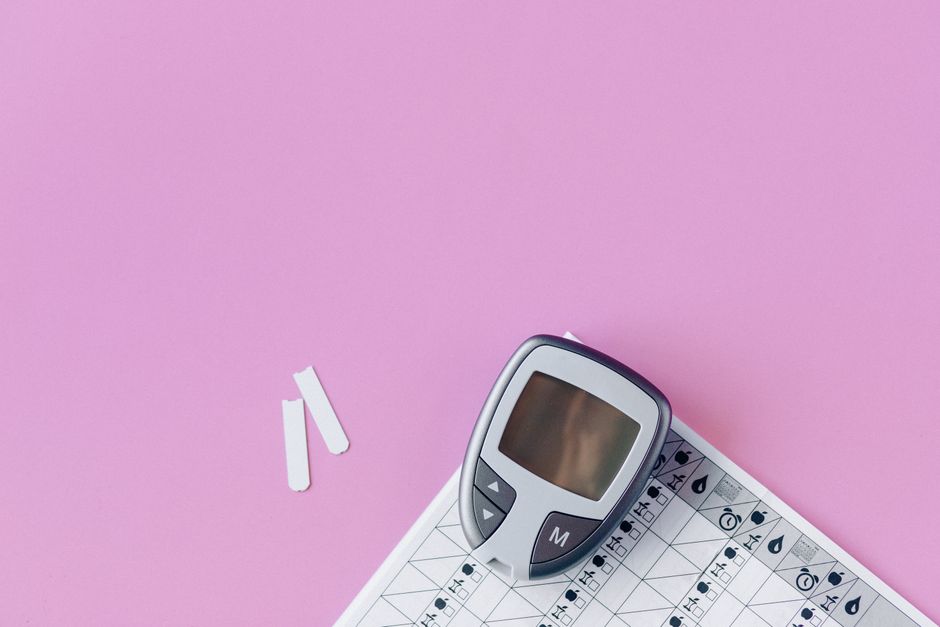
Urinary tract infection test strips are small plastic sticks with chemical pads that change color when certain substances are present in urine. To read one, you dip the strip in a urine sample, wait the exact time the package states, then compare each pad against the color chart on the bottle. The leukocyte and nitrite pads are the two that matter most for spotting a possible UTI.
Reading the strip correctly takes more care than most people expect. Timing, lighting, and storage all affect the result. So does knowing what the strip can and cannot tell you. A color change is a clue, not a diagnosis.
What Do The Different Pads On A UTI Test Strip Actually Measure?
Most urine test strips sold for home use check several things at once. Each pad tests for a different substance, and each has its own color chart.
For urinary tract infections, two pads carry most of the weight:
- Leukocyte (white blood cell) pad. This pad detects an enzyme called leukocyte esterase, which white blood cells release. A positive result suggests white blood cells are in the urine, a common sign of inflammation or infection.
- Nitrite pad. This pad detects nitrite, a substance some bacteria produce when they break down nitrate in urine. A positive nitrite result is fairly specific for certain bacteria, most often E. coli, which causes the majority of UTIs.
Many strips also include pads for pH, protein, glucose, ketones, blood, and specific gravity. These are useful for other purposes but are not reliable indicators of a UTI on their own. A change in the pH pad, for example, does not confirm an infection.
One detail people often miss: the nitrite pad only works if urine has stayed in the bladder long enough for bacteria to convert nitrate to nitrite. That typically takes a few hours. Very frequent urination can produce a false negative even when an infection is present.
How To Read UTI Test Strips A Step By Step Guide
Follow the steps in order. Skipping or rushing any of them changes the result.
Step 1: Collect a clean-catch urine sample
Wash your hands first. Clean the genital area with a wipe if the kit provides one. Start urinating into the toilet, then move the cup into the stream to catch the middle portion. This “midstream” method reduces contamination from skin bacteria, which is the most common reason for a misleading result.
Step 2: Check the strip and the bottle
Look at the expiration date on the bottle. Test strips degrade over time and after exposure to air and moisture. Keep the cap closed between uses. An expired or improperly stored strip can give a wrong reading.
Step 3: Dip the strip for the stated time
Dip all the pads into the urine. Most brands specify about one to two seconds, but this varies by product. Follow your package, not a general rule. Do not dip longer than instructed.
Step 4: Tap off excess urine
Touch the edge of the strip to the rim of the cup or a paper towel to remove drips. Do not blot the pads themselves.
Step 5: Wait the exact read time
Each pad has its own read window, usually printed on the bottle. Leukocyte and nitrite pads typically need about one to two minutes. Reading too early gives a false negative. Reading too late can give a false positive as the pads continue to react. Set a timer.
Step 6: Compare in good light
Hold the strip next to the color chart under bright, natural light. Fluorescent or dim lighting shifts colors. Read each pad separately and match it to the closest color block.
Step 7: Record your results
Write down what you saw and when. If you plan to see a clinician, this information helps. Photograph the strip next to the chart if you can, since colors fade.
How Do I Interpret A Positive Or Negative Result?
A positive leukocyte or nitrite result means the strip detected something worth attention. It does not confirm a UTI. A negative result does not rule one out.
Research on urine dipsticks shows they are useful screening tools but not perfect. Studies have found that dipstick testing can miss infections and can also flag people who are not infected. The accuracy depends on the population tested, how the sample was collected, and how the strip was read.
Here is how the two key pads generally behave:
- Nitrite positive. This is the more specific signal. A positive nitrite is strongly linked to certain bacterial infections, though not all bacteria produce nitrite.
- Leukocyte positive. This is more sensitive but less specific. White blood cells can appear in urine for reasons other than infection, including inflammation from other causes.
- Both positive. This combination raises the likelihood of a UTI more than either alone.
- Both negative. This makes a UTI less likely but does not exclude it, especially with strong symptoms.
Symptoms matter as much as the strip. Burning with urination, frequent urges, cloudy urine, and pelvic pressure are meaningful signs. If you have those symptoms, a negative strip is not reassurance.



What Causes False Results On A UTI Test Strip?
False results are common, and most trace back to a few fixable problems.
Contamination. Skin bacteria or toilet paper in the sample can trigger color changes. A clean-catch sample reduces this.
Timing errors. Reading too early or too late is the most frequent reading mistake. The pads keep developing after the read window.
Expired or damp strips. Humidity damages the chemical pads. Store the bottle tightly closed, away from heat and moisture. Do not use strips past their date.
Vitamin C and certain medications. High doses of vitamin C can interfere with some pads and produce false negatives. Some drugs affect color development. Check your package insert for known interactions.
Dilute urine. Drinking a lot of water before testing can dilute the substances the strip detects, lowering the signal.
Frequent urination. As noted, short bladder time can prevent nitrite from forming, giving a false negative.
When Should You See A Doctor Instead Of Relying On A Strip?
Home strips are a screening aid. They are not a substitute for medical evaluation, and some situations need prompt care regardless of what the strip shows.
Seek medical attention if you have:
- Fever, chills, or flank or back pain, which can signal a kidney infection
- Blood in the urine
- Symptoms that persist or worsen over a few days
- Repeated UTIs
- Pregnancy
- Diabetes, a weakened immune system, or a catheter
- UTI symptoms in a child or an older adult
These groups face higher risk of complications, and home testing is not appropriate as the sole guide. In pregnancy especially, urinary infections can be serious even without obvious symptoms, and clinicians typically screen with urine cultures rather than relying on home strips.
A clinician can confirm an infection with a urine culture, which identifies the bacteria and guides treatment. No home strip can do that.
Do Home UTI Test Strips Replace A Lab Test?
No. Home strips and laboratory testing answer different questions.
A strip tells you whether certain markers are present in your urine right now. A lab culture tells you which organism is causing an infection and which antibiotics it responds to. That distinction matters because treatment decisions depend on the organism, not just the presence of markers.
Some clinicians use dipstick results as a first screen and then order a culture if the picture is unclear. Others treat based on symptoms alone. Common practice varies, and the approach depends on your history and risk factors.
Home strips work best as a way to notice a possible problem and decide whether to seek care. They should not be used to self-treat or to decide on your own to skip medical advice.
Frequently Asked Questions
How long do you wait to read a UTI test strip?
Wait the exact time printed on your bottle, which is usually about one to two minutes for the leukocyte and nitrite pads. Reading too early or too late gives unreliable results.
Can a UTI test strip be wrong?
Yes. False positives and false negatives are both common, often due to contamination, timing errors, expired strips, or dilute urine. A strip result is a clue, not a diagnosis.
What does a positive nitrite but negative leukocyte mean?
It can suggest bacteria are present without much white blood cell response, but the meaning depends on your symptoms and history. A clinician can interpret it properly with a urine culture.
Can I use a UTI test strip while pregnant?
Home strips are not a reliable guide during pregnancy, because urinary infections can be serious even without symptoms. Clinicians typically screen with urine cultures instead.
