
A PPD test, also called a tuberculosis skin test, involves a tiny injection that most people describe as a brief pinch or sting. The discomfort lasts only a few seconds, and the test itself does not hurt in any lasting way. The part people often confuse with pain is the waiting period, which involves no pain at all. What research and clinical experience consistently show is that the procedure is quick, the needle is very small, and any discomfort fades almost immediately.
What Exactly Happens During a PPD Test?
The PPD test checks for tuberculosis exposure. A small amount of fluid called purified protein derivative is injected just under the top layer of your skin. The injection uses a tiny needle, smaller than the ones used for most vaccines or blood draws.
The fluid creates a small, pale bump on your forearm called a wheal. That bump is a normal sign the test was done correctly. It usually goes away within a few hours. The needle goes in at a shallow angle, which is why the sensation is different from a typical shot.
Most people compare the feeling to a mosquito bite or a quick scratch. The entire injection takes about two to three seconds.
Why the Test Feels Different From Other Shots
The PPD test uses an intradermal injection. That means the fluid goes into the skin rather than into muscle or a vein. This shallow placement is why the needle feels less intense than a flu shot or a vaccine.
Muscle injections push fluid into deeper tissue, which can cause pressure and soreness. Intradermal injections do not. The needle is also shorter and thinner than standard injection needles. These factors together make the PPD test one of the least painful common medical procedures.
Some clinics use a device called a multiple-puncture test, but the standard Mantoux test with a needle is the most common and most reliable method. The Mantoux test is the one your doctor will almost always use.
The Reading Appointment: Where People Get Confused
The test does not hurt, but it does require a second visit. A healthcare worker must check your arm 48 to 72 hours after the injection. This is called reading the test.
At the reading appointment, the clinician looks at the bump and measures it with a ruler. They are checking for induration, which is a firm raised area. Redness alone does not count. The firmness is what matters.
No needles are involved at this visit. No blood is drawn. The reading takes less than a minute. Many people worry about this step because they remember the bump, but it is completely painless.




What a Positive Test Result Means
A positive PPD test means your immune system has reacted to the tuberculosis proteins. It does not mean you have active tuberculosis disease. It means you have been exposed to the bacteria at some point in your life.
People with a positive test need a follow-up chest X-ray and often a physical exam. The X-ray checks for active infection in the lungs. Active TB is treatable, and latent TB can be treated to prevent future disease.
The size of the bump that counts as positive depends on your risk factors. For most healthy adults, a bump of 15 millimeters or more is positive. For people with certain medical conditions or recent exposure, the threshold is lower. Your doctor will interpret the result based on your personal history.
Common Side Effects and What Is Normal
Mild itching at the injection site is common. Some people develop a small red area that lasts a few days. These reactions are normal and not a sign of infection.
Serious reactions are rare. Very few people experience blistering or significant swelling. If that happens, it is usually because the person has had a previous positive test and the body mounts a stronger immune response.
You can wash the area normally. You can shower and exercise. The one rule is to avoid scratching the site and avoid covering it with a bandage that traps moisture. Do not apply creams, lotions, or ointments to the area because they can interfere with the reading.
Who Should Not Get a PPD Test
People who have had a severe reaction to a previous PPD test should not get another one. People with active tuberculosis should not be tested with PPD because the test is not useful in that situation.
Anyone who has had the BCG vaccine may have a false positive test. The BCG vaccine is used in many countries to prevent severe TB in children. It can cause a positive PPD test even without true exposure.
If you have had BCG, tell your doctor. They may recommend a different test called an interferon-gamma release assay, or IGRA. This blood test does not cause the skin reaction and is not affected by BCG.
Alternatives to the PPD Skin Test
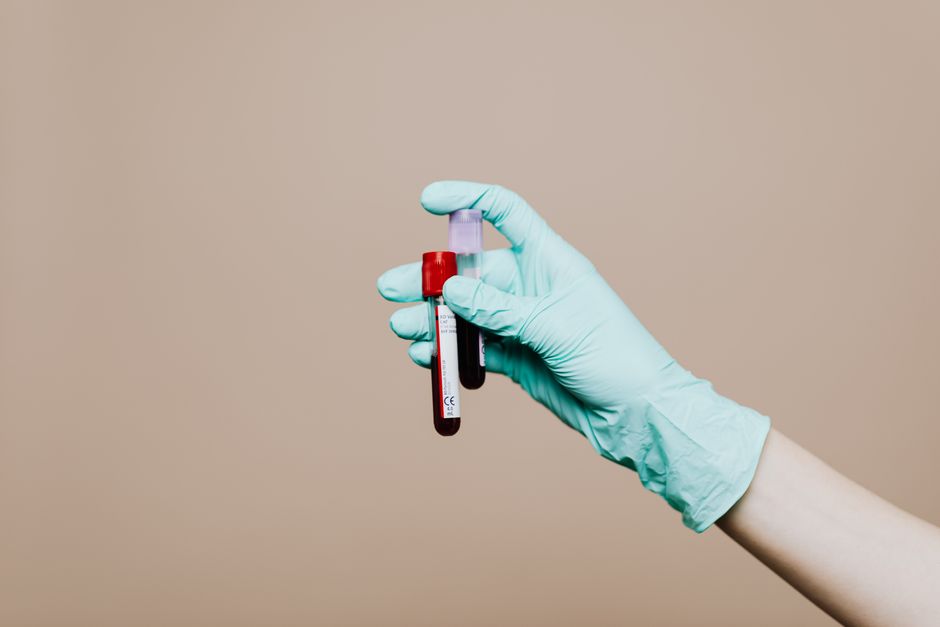
Blood tests for TB are becoming more common. These tests, called IGRAs, measure how your immune cells respond to TB proteins in a blood sample. No skin injection is involved.
The main advantage of a blood test is convenience. You only need one visit instead of two. The result is available within 24 hours. The blood test is also not affected by prior BCG vaccination.
Some research suggests blood tests may be slightly more specific than skin tests, meaning fewer false positives. However, skin tests remain widely used because they are inexpensive, reliable, and do not require laboratory processing in the same way.
How to Reduce Discomfort During the Test
Relaxing your arm helps. A tense arm makes the injection feel sharper. Let your arm go limp and look away if that helps.
Tell the person giving the test if you have a fear of needles. They can help you through it. Some clinics allow you to sit or lie down during the procedure.
There is no need to take pain medication before the test. The discomfort is too brief and too mild to require any preparation. If you are anxious, deep breathing before and during the injection can help more than any medication.
What Research Says About Pain From TB Skin Tests
Clinical studies on pain from injections consistently rank intradermal injections among the least painful types of needle procedures. The small needle gauge and shallow depth are the main reasons.
Research comparing TB skin tests to other common injections has found the pain scores are very low. Most participants in studies rate the pain as a one or two on a ten-point scale. That is comparable to a light finger prick.
The larger issue for most people is not the pain but the inconvenience of the two-visit requirement. The test itself is not something people typically dread after they have had it once.
What to Do If the Site Looks Unusual
Some redness and a small bump are expected. If the area becomes increasingly painful, hot, or starts draining fluid, contact your doctor. That could indicate a secondary skin infection, which is rare but possible.
Do not try to interpret the test yourself. The reading requires training. A bump that looks small to you may be significant to a clinician, and a large red area may not count as positive at all.
If you miss the reading window of 48 to 72 hours, you will need to restart the test. There is no way to accurately read the test after the window closes.
Frequently Asked Questions
How long does the PPD test needle hurt?
The needle sensation lasts about two to three seconds. After that, the site may feel slightly tender for a few hours but not painful.
Does the PPD test hurt more than a normal shot?
No, it hurts less. The needle is smaller and the fluid goes into the skin rather than deep muscle tissue.
Can I take pain relievers before a PPD test?
There is no need to. The discomfort is too brief for medication to matter, and some pain relievers could theoretically affect immune response, so it is best to avoid them unless your doctor advises otherwise.
Is the PPD test reading painful?
No, the reading involves only looking at and measuring the bump with a ruler. No needles or pressure are involved.
