

Blood pressure readings look simple — two numbers, one over the other — but most people misread them. The top number (systolic) measures pressure when your heart beats. The bottom number (diastolic) measures pressure when your heart rests between beats. To read a BP reading correctly, look at both numbers together, not separately. A reading of 120/80 mmHg is normal. Anything above that needs context from multiple readings taken at different times.
What Do the Two Numbers in a Blood Pressure Reading Mean?
The systolic number is the first or top number. It tells you the pressure in your arteries when your heart muscle contracts. This number is usually higher and gets more attention from doctors because it rises with age.
The diastolic number is the second or bottom number. It measures pressure in your arteries when your heart relaxes between beats. This number tends to stay more stable throughout adulthood.
Research shows that for people over 50, systolic pressure is a stronger predictor of heart disease risk. But both numbers matter. Ignoring diastolic pressure is a mistake some people make when they check their own readings at home.
What Is a Normal Blood Pressure Reading?
Blood pressure categories are standard across most medical guidelines as of 2026. Normal is below 120/80 mmHg. Elevated is 120-129 systolic with diastolic below 80. Stage 1 hypertension is 130-139 systolic or 80-89 diastolic. Stage 2 hypertension is 140 or higher systolic or 90 or higher diastolic.
A single high reading does not mean you have high blood pressure. Blood pressure changes throughout the day. It goes up during exercise, stress, or even when you are in a hurry. It drops during sleep.
Doctors diagnose hypertension only after multiple high readings over several visits. Home monitoring helps catch patterns that a single office visit might miss. Some people have white-coat hypertension — higher readings at the doctor’s office than at home.
How To Read Bp Reading Correctly at Home
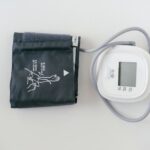
Home monitoring gives more accurate data than occasional doctor visits — but only if you do it right. Here is what current research suggests for accurate home readings:
- Sit quietly for at least five minutes before measuring
- Keep your feet flat on the floor, legs uncrossed
- Support your arm at heart level on a table or armrest
- Use the correct cuff size — too small gives falsely high readings
- Take two or three readings one minute apart and average them
Measure at the same time each day. Morning before eating or taking medication works well. Evening before bed gives another useful data point.
Do not measure right after waking up, smoking, drinking caffeine, or exercising. These all temporarily raise blood pressure. If you are having trouble getting consistent numbers, bring your monitor to your doctor’s office to check its accuracy.



What Do Different Blood Pressure Readings Mean for Your Health?
A reading of 130/85 is not the same risk as 145/95. The higher the number, the more strain on your arteries and heart. Over time, untreated high blood pressure damages blood vessel walls and increases risk for heart attack, stroke, and kidney disease.
| Category | Systolic | Diastolic | What It Means |
|---|---|---|---|
| Normal | Below 120 | Below 80 | No action needed |
| Elevated | 120-129 | Below 80 | Monitor regularly |
| Stage 1 | 130-139 | 80-89 | Lifestyle changes, possible medication |
| Stage 2 | 140 or higher | 90 or higher | Medication likely needed |
| Crisis | 180 or higher | 120 or higher | Emergency care needed |
Low blood pressure is less common but can be serious. Readings below 90/60 may cause dizziness, fainting, or shock. Some people naturally run low with no symptoms — that is usually not a problem. But if you feel lightheaded or weak, check with your doctor.
Common Mistakes When Reading Blood Pressure
Many people get inaccurate readings without realizing it. One common error is talking during measurement. Even casual conversation raises blood pressure by 10-15 points. Stay silent.
Another mistake is using the wrong arm. Take readings on your bare arm, not over clothing. Roll up your sleeve if needed — tight fabric squeezed under a cuff gives false numbers. Use the same arm each time for consistency.
Some people take readings immediately after eating or using the bathroom. A full bladder can raise systolic pressure by 10-15 points. Wait at least 30 minutes after a meal. Empty your bladder first.
Do not rely on wrist or finger monitors. Upper arm cuffs are more accurate. If you must use a wrist monitor, keep your wrist at heart level — most people hold it too low, which raises the reading.
When Should You Call a Doctor About a Blood Pressure Reading?
One high reading is rarely an emergency. But certain numbers need immediate attention. If your systolic is 180 or higher or your diastolic is 120 or higher, seek emergency care. This is a hypertensive crisis and can cause organ damage.
Call your doctor if you consistently get readings above 130/80 at home. They may want to adjust medication or recommend lifestyle changes. Also call if your readings vary widely from visit to visit — this can signal an underlying issue.
Some people report symptoms like headaches, nosebleeds, or shortness of breath with high readings. But high blood pressure usually has no symptoms. That is why it is called the silent killer. Regular monitoring is the only way to know your numbers.
If you are on medication, never stop or adjust it based on a single reading. Some people see a normal number and stop taking their pills. This causes dangerous spikes. Always follow your doctor’s instructions.
What Factors Can Skew Your Blood Pressure Reading?
Several things can make your reading higher than your true blood pressure. Caffeine raises readings for about 30 minutes after consumption. Nicotine does the same. Alcohol can raise or lower readings depending on timing and amount.
Temperature matters. Cold environments constrict blood vessels and raise pressure. Hot environments can lower it. Always measure in a comfortable room.
Stress and anxiety are major factors. If you feel rushed or worried about the result, your reading will be higher. Some people benefit from taking a few deep breaths before measuring. Do not measure when you are angry or upset.
Time of day also matters. Blood pressure typically drops at night and rises in the morning. The highest readings often occur right after waking. Taking medication at the wrong time can also affect readings — some blood pressure drugs work best when taken at night.
Frequently Asked Questions
What is the best time of day to check blood pressure?
Morning before eating or taking medication and evening before bed are both good times. Consistency matters more than the exact time.
Can stress cause a false high blood pressure reading?
Yes, stress and anxiety can raise readings by 10-20 points. Sit quietly for five minutes before measuring to get an accurate number.
Is 130/80 considered high blood pressure?
Yes, 130/80 is stage 1 hypertension according to current guidelines. Talk to your doctor about lifestyle changes or medication.
How many times should I take my blood pressure at home?
Take two or three readings one minute apart each time and average them. Do this twice daily for the most useful data.
