
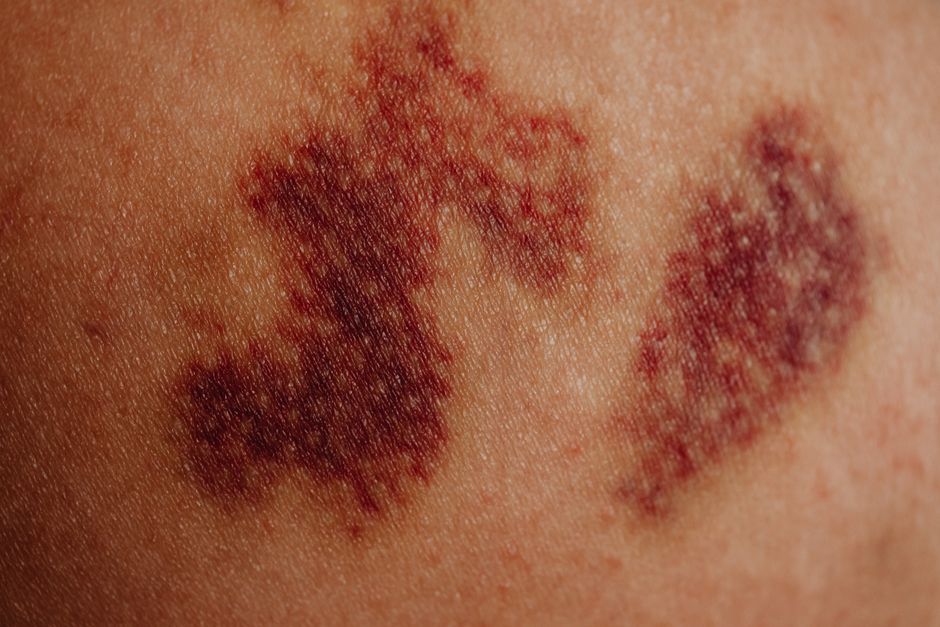
Capillaries are the smallest blood vessels in your body, and they connect your arteries to your veins. Their main job is to deliver oxygen and nutrients to every cell and pick up carbon dioxide and waste products. Think of them as the delivery network that actually gets supplies to your tissues — the larger blood vessels are just the highways getting blood close to the neighborhood.
What Does The Capillaries Do Exactly?
Capillaries form a vast network of tiny vessels that weave through nearly every tissue in your body. Their walls are only one cell thick. That thinness is the key to their function.
Because the walls are so thin, substances can pass through them easily. Oxygen and nutrients move from the blood into your tissues. Carbon dioxide and other waste products move from your tissues back into the blood. This exchange happens constantly, at every moment you are alive.
Your body contains tens of billions of these vessels. If you lined them all up end to end, they would stretch for thousands of miles. That massive surface area is what allows your body to move oxygen and nutrients into every single cell efficiently.
How Do Capillaries Deliver Oxygen and Nutrients?
Blood leaves your heart through arteries, which branch into smaller vessels called arterioles. Arterioles then branch into capillary networks. This is where the actual delivery happens.
Red blood cells carry oxygen bound to hemoglobin. When they reach the capillaries, the oxygen is released and diffuses across the capillary wall into the surrounding tissue. The same process delivers glucose, amino acids, and other nutrients your cells need for energy and repair.
This exchange relies on a pressure gradient. Blood pressure inside the capillary pushes fluid and small molecules out at the arterial end. At the venous end, osmotic pressure pulls fluid and waste products back in. This balance keeps your tissues hydrated and removes metabolic waste efficiently.
What Happens When Capillaries Are Damaged?
Capillary damage can cause serious health problems. When these tiny vessels stop working properly, tissues do not get the oxygen and nutrients they need. They also cannot clear waste products effectively.
Diabetes is one of the most common causes of capillary damage. High blood sugar levels over time can thicken capillary walls and impair their function. This is why people with poorly controlled diabetes often develop vision problems, kidney damage, and nerve damage — all of these conditions involve damaged capillaries.
High blood pressure also strains capillary walls. Over time, this can cause them to leak fluid into surrounding tissues, leading to swelling. It can also weaken the vessels, making them more likely to break and cause small areas of bleeding.
Smoking damages capillaries too. The chemicals in tobacco smoke cause inflammation and constriction of blood vessels, reducing blood flow through the capillary networks. This is one reason smokers often have poor wound healing.





How Do Capillaries Regulate Body Temperature?
Capillaries play a direct role in temperature control. When your body gets too hot, capillaries near the skin surface widen. This process is called vasodilation. More warm blood flows near the skin surface, and heat radiates out of your body.
When you are cold, the opposite happens. Capillaries near the skin narrow, a process called vasoconstriction. This shunts blood away from the skin surface and keeps warmth in your core organs. This is why your hands and feet get cold first — the capillaries there are shutting down to protect your vital organs.
This system is controlled by your autonomic nervous system, which works without conscious effort. It responds to signals from your brain about your core temperature and adjusts blood flow accordingly.
What Conditions Affect Capillary Function?
Several medical conditions directly affect capillaries. Some are common, others are rare.
Chronic venous insufficiency occurs when veins cannot return blood to the heart properly. This causes blood to pool, increasing pressure in the capillaries. Over time, capillaries can leak fluid and proteins into the skin, causing swelling, discoloration, and sometimes ulcers.
Raynaud’s phenomenon involves an exaggerated response to cold or stress. Capillaries in the fingers and toes constrict suddenly and severely, reducing blood flow. The affected areas turn white, then blue, then red as blood flow returns. This condition is more common in women and often begins before age 30.
Sepsis is a life-threatening condition where capillaries leak fluid massively. In severe infections, inflammatory chemicals damage capillary walls, causing them to become too permeable. Fluid leaks into tissues, blood pressure drops, and organs can fail from inadequate blood flow.
Chronic high blood sugar from diabetes damages the basement membrane of capillaries. This thickening impairs gas exchange and nutrient delivery. It is a leading cause of blindness in working-age adults and a major contributor to kidney failure.
Can You Improve Your Capillary Health?
Capillary health is largely tied to overall cardiovascular health. The same habits that protect your heart and large arteries also protect your smallest vessels.
Regular aerobic exercise is one of the most effective ways to support capillary function. Exercise stimulates the growth of new capillaries in muscle tissue, a process called angiogenesis. This improves oxygen delivery to working muscles and can help lower blood pressure.
Maintaining healthy blood pressure is critical. Capillaries are delicate structures. Chronic high pressure damages them over time. Keeping blood pressure in a healthy range reduces this strain.
Managing blood sugar levels matters significantly. For people with diabetes or prediabetes, keeping blood sugar in target ranges reduces the risk of capillary damage. This is one of the most well-established findings in diabetes research.
Quitting smoking improves capillary health. Studies show that capillary blood flow improves within weeks of stopping smoking. The body has a remarkable ability to repair damaged blood vessels once the harmful exposure stops.
A diet rich in vegetables, fruits, whole grains, and lean proteins supports vascular health. Some research suggests that foods high in nitrates, like leafy greens and beets, may support blood vessel function. The evidence here is promising but not definitive — no single food can repair damaged capillaries.
What Is the Difference Between Capillaries and Other Blood Vessels?
Blood vessels come in three main types, and each has a distinct job.
- Arteries carry oxygen-rich blood away from the heart. They have thick, muscular walls to withstand high pressure.
- Veins carry blood back to the heart. They have thinner walls and contain one-way valves to prevent backward flow.
- Capillaries connect arteries to veins. They have walls only one cell thick, allowing exchange of gases, nutrients, and waste.
Arteries and veins are essentially transport tubes. Capillaries are where the actual work happens. Blood in an artery is just in transit. Blood in a capillary is actively delivering oxygen and collecting waste.
Another difference is pressure. Blood pressure is highest in arteries and lowest in veins. Capillary pressure sits between the two. This moderate pressure is essential — high pressure would damage the delicate capillary walls, and low pressure would not allow efficient exchange.
How Many Capillaries Are in the Human Body?
No one has counted every capillary in a living human body. Estimates suggest the total number is in the tens of billions. The total length of all capillaries in an adult is estimated to be around 60,000 miles — enough to circle the Earth more than twice.
Some tissues have denser capillary networks than others. The lungs, kidneys, liver, and brain are highly vascularized because they need constant blood flow. Tendons and ligaments have fewer capillaries, which is one reason they heal more slowly after injury.
Skeletal muscle has a rich capillary supply, and this can change with training. People who exercise regularly develop denser capillary networks in their muscles compared to sedentary individuals. This is a measurable adaptation that improves endurance and recovery.
Frequently Asked Questions
What is the main function of capillaries?
Capillaries exchange oxygen, nutrients, and waste products between blood and body tissues. Their one-cell-thick walls allow substances to pass through easily.
Can damaged capillaries repair themselves?
Yes, capillaries can grow and repair. Regular exercise stimulates new capillary growth, and quitting smoking allows damaged vessels to recover over time.
What causes capillaries to break?
Injury, high blood pressure, and certain medical conditions can cause capillaries to break. Aging also makes capillary walls more fragile over time.
Are broken capillaries dangerous?
Most broken capillaries are harmless and appear as small red or purple marks on the skin. However, frequent or widespread capillary bleeding can indicate an underlying condition that needs medical evaluation.
