
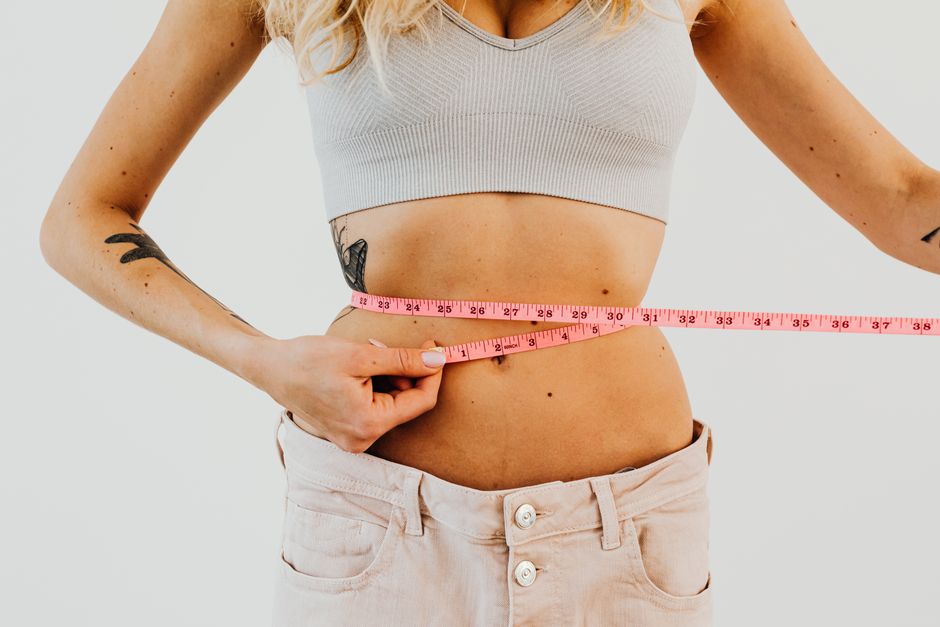
Reading a body tape measure is simple once you know the basics: find the zero end, wrap it snugly around the body part, and read the number where the tape meets the zero mark. The challenge is not the reading itself — it is knowing where to measure, how tight to pull, and what the numbers actually mean for tracking progress.
What Do the Lines and Numbers on a Tape Measure Mean?
A standard body tape measure shows inches on one side and centimeters on the other. The inch side is divided into 16 smaller marks between each whole number. Each small mark equals one-sixteenth of an inch. The longer lines between numbers mark half-inches and quarter-inches.
Most body measurements do not require that level of precision. Tracking to the nearest quarter-inch is enough for waist, hip, chest, and limb measurements. Reading to the nearest eighth-inch is fine too. The key is consistency — measure the same way every time so changes in the numbers reflect real changes in your body.
The centimeter side is simpler. Each number is a whole centimeter, and the smaller lines between them are millimeters. Ten millimeters equal one centimeter. Many medical and fitness professionals use centimeters because the metric system is easier to keep consistent across different countries and studies.
How To Read A Body Tape Measure For Beginners: Step by Step
Start by finding the metal tab at the zero end of the tape. This is your starting point. Wrap the tape around the body part you are measuring. The tape should lie flat against the skin with no gaps and no digging into the flesh.
Look at the point where the tape meets the zero end. The number at that meeting point is your measurement. If the tape overlaps the zero tab, read the number that sits directly on top of the tab’s edge.
Read the largest number first. That is your whole inch or centimeter. Then count the smaller marks after that number to get the fraction. For example, if the tape lands on the third small line after the 30-inch mark, your measurement is 30 and 3/16 inches.
Take the measurement twice. If the two numbers differ by more than a quarter-inch, measure a third time. Use the average of your closest two readings. This catches common errors like a twisted tape or inconsistent tension.
Where Exactly Should You Measure?
Standard measurement sites follow anatomical landmarks, not guesswork. Using consistent landmarks matters more than the exact spot being “correct” in an absolute sense.
Waist: Measure at the narrowest point between the bottom of your ribs and the top of your hip bones. For many people this is near the navel, but not always. If you cannot identify a narrow point, measure at the level of your navel and stay consistent with that choice.
Hips: Measure at the widest point around the buttocks. Stand with your feet together. The tape should pass over the fullest part of your glutes.
Chest: Measure at the fullest part of the chest for men. For women, measure at the fullest part of the bust, typically at nipple level. Keep the tape level all the way around your back.
Thigh: Measure at the widest point of the upper leg, usually about 1-2 inches below the gluteal fold. Stand with your weight evenly distributed on both feet.
Arm: Measure at the fullest part of the bicep with your arm hanging relaxed at your side.
Neck: Measure just below the larynx, keeping the tape level. This measurement is used for sizing shirts and for sleep apnea screening in some contexts.





How Tight Should the Tape Be?
The tape should be snug enough to stay in place without sliding but loose enough that you can slip one fingertip underneath. Pulling the tape too tight compresses soft tissue and gives a falsely small reading. Leaving it loose gives a falsely large reading.
For waist measurements specifically, the tape should not compress the skin at all. The measurement should reflect your natural body contour, not the shape created by squeezing the tape.
This is a common source of error. People who want to see progress often pull tighter over time without realizing it. That makes it look like they lost inches when they actually just changed their technique. Consistency in tension is more important than perfect tension.
Do Body Measurements Matter More Than the Scale?
Body measurements and scale weight tell you different things. The scale measures total mass — fat, muscle, bone, water, and everything else. A tape measure tracks changes in specific body circumferences.
Muscle is denser than fat. This means you can lose fat, gain muscle, and see the scale stay the same while your waist measurement drops. In this scenario, the tape measure shows real progress that the scale misses entirely.
Waist circumference is also a health indicator on its own. Excess abdominal fat is associated with higher risk for metabolic conditions, even in people whose overall weight is normal. Tracking waist measurement over time gives you useful information beyond what the scale provides.
That said, measurements have limits. They cannot tell you your body fat percentage. Two people with identical waist measurements can have very different body composition. Measurements are most useful as a tracking tool over time, not as a single snapshot of health.
Common Mistakes That Ruin Your Measurements
Measuring over clothing adds thickness and gives inaccurate readings. Measure on bare skin or over thin, fitted clothing only. Loose fabric adds unpredictable amounts to every measurement.
Measuring at different times of day creates false changes. The waist naturally expands slightly throughout the day, especially after meals. For consistent tracking, measure in the morning before eating, after using the bathroom. The abdomen is also less bloated at this time.
Changing your stance changes the numbers. Stand tall but relaxed. Do not suck in your stomach or puff it out. Do not shift your weight to one side. Your posture should be the same every time you measure.
Using a worn or stretched tape introduces error. Fabric tapes stretch over time. Metal and fiberglass tapes hold their length better. If your tape is old and fabric, compare it against a metal ruler to check for stretching.
Measuring only one side of your body for limbs can hide asymmetry. For arms and legs, measure both sides. Some asymmetry is normal — most people have a dominant side that is slightly larger. Track each side separately.
How Often Should You Measure?
Once every two to four weeks is reasonable for most people tracking body changes. Daily measurements show normal fluctuation — mostly water retention and digestion changes — that creates noise without useful information.
Weekly measurements can work if you measure under the same conditions every time. The morning routine described above is best. Even then, expect small fluctuations of a quarter to half an inch that do not reflect real changes in body composition.
Over months, consistent measurements show real trends. A waist that drops one inch over eight weeks is a genuine change. The same one-inch drop over two days is almost certainly measurement error or water fluctuation.
Frequently Asked Questions
What side of a tape measure do you use for body measurements?
Use whichever side you can read consistently — inches or centimeters both work. The key is to use the same side every time and record which unit you used.
How do you read inches on a measuring tape?
Read the largest number where the tape meets the zero end, then count the smaller marks after it for the fraction of an inch.
Why is my waist measurement different every time I measure?
Small differences come from tape tension, posture, time of day, and recent food or water intake. Measure at the same time under the same conditions to reduce this variation.
Is a cloth tape measure accurate enough for body measurements?
Yes, if it is not stretched or worn. Compare it against a metal ruler periodically and replace it if it has stretched.
