
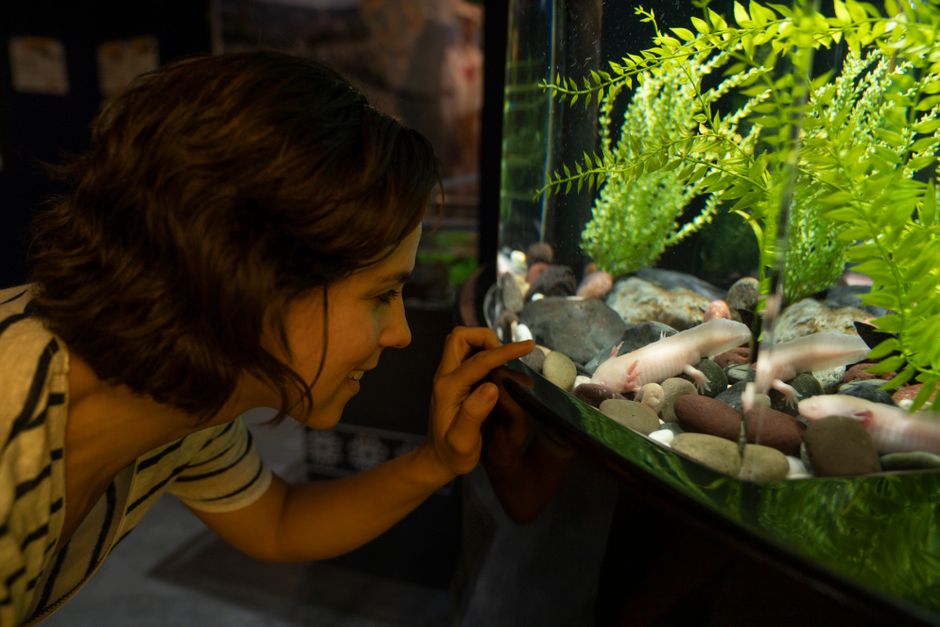
Raising the pH in your axolotl tank is a straightforward process, but it requires patience and precision. The safest method is to use chemical buffers designed for aquariums, adding them in small amounts and testing the water frequently. You should aim for a pH between 7.4 and 7.6, which is the ideal range for these sensitive amphibians. Avoid sudden swings in pH, as rapid changes are far more dangerous to an axolotl than a slightly off reading.
What Is the Ideal pH for an Axolotl Tank?
Axolotls prefer slightly alkaline water. The generally accepted ideal range is a pH of 7.4 to 7.6. Some sources extend this to 7.0 to 8.0, but staying in the middle is safest.
Water that is too acidic (below 7.0) can stress your axolotl. Stress weakens their immune system and makes them more prone to illness. Water that is too alkaline (above 8.0) can also cause problems, especially with their sensitive skin and gills.
Consistency is the most important factor. A stable pH of 7.2 is better than a pH that bounces between 6.8 and 7.8. Axolotls are hardy in many ways, but they do not tolerate rapid environmental changes well.
Why Is My Axolotl Tank pH Too Low?
Before you can fix a low pH, you need to understand why it is happening. The most common cause is the natural breakdown of organic waste.
Fish waste, uneaten food, and decaying plant matter all produce acids as they decompose. In a tank with a good biological filter, these waste products are converted to nitrates. However, the nitrification process itself produces acid, which gradually lowers pH over time.
Your substrate can also play a role. If you use inert sand or gravel, it does nothing to buffer the water. In contrast, substrates like crushed coral or limestone actively dissolve into the water, releasing calcium carbonate. This raises pH and helps stabilize it.
Another factor is the source of your water. Some municipal tap water is naturally soft and acidic. If your local water supply has a low pH and low mineral content, it will struggle to maintain a stable pH in your tank.
How To Raise Ph In Your Axolotl Tank Safely
The safest way to raise pH is to use a commercial aquarium buffer. These products are specifically formulated for aquatic life and are less likely to cause harm than improvised methods.
Follow the dosage instructions on the product label carefully. Always start with half the recommended dose. This is especially important in a tank with a low water volume, where chemical changes happen quickly.
After adding the buffer, wait at least 24 hours before testing the pH again. This allows the product to fully dissolve and distribute throughout the tank. Do not add more buffer until you have seen the results of the first dose.
You should never raise the pH by more than 0.2 units per day. A sudden jump of 0.5 or more can send your axolotl into shock. If your pH is very low, it may take several days of gradual adjustments to reach the target range.
Baking soda is often mentioned as a home remedy for raising pH. While it does work, it is not recommended for axolotl tanks. Baking soda can cause a rapid pH spike and is difficult to control precisely. Commercial buffers are safer because they are designed to be more stable.



Natural Ways to Raise pH in an Axolotl Tank
If you prefer a slower, more natural approach, you can add a buffering substrate to your tank. Crushed coral is the most common choice.
You can place a small mesh bag of crushed coral in your filter. The water flowing over the coral will slowly dissolve it, releasing calcium carbonate into the water. This raises pH gradually and helps prevent future drops.
Another option is to use a piece of cuttlebone. This is the same material sold for pet birds. Place a small piece in the tank and let it dissolve naturally. It works the same way as crushed coral but is easier to remove if the pH rises too high.
Limestone rocks can also be used as aquarium decor. They will slowly leach minerals into the water. However, you need to be sure the rocks are aquarium-safe. Some rocks contain metals or other compounds that can leach into the water and harm your axolotl.
These natural methods are slower than chemical buffers. They are best used for maintaining a stable pH rather than correcting a large drop.
How to Test pH in an Axolotl Tank
Accurate testing is essential when adjusting pH. You cannot manage what you cannot measure.
Liquid test kits are more reliable than test strips. They are slightly more work, but they give a much clearer reading. The API Freshwater Master Test Kit is a common choice among axolotl keepers. It measures pH, ammonia, nitrite, and nitrate.
Test your water before you make any changes. Then test again 24 hours after adding a buffer. Test daily while you are adjusting the pH. Once the pH is stable in the target range, you can test once a week as part of your regular maintenance.
It is also a good idea to test your tap water. This tells you the starting point for your water changes. If your tap water is acidic, you may need to treat it before adding it to the tank.
How to Prevent pH from Dropping Again
Raising the pH is only half the battle. You also need to prevent it from dropping again.
Regular water changes are the most effective prevention. Changing 20 percent of the water once a week removes waste products and replenishes minerals. This helps maintain a stable pH.
Do not overfeed your axolotl. Uneaten food decays and produces acids. Feed only what your axolotl can consume in a few minutes.
Keep the tank clean. Remove any dead plant matter or debris promptly. A clean tank has less organic waste breaking down, which means less acid production.
If you find your pH keeps dropping despite good maintenance, consider adding a small amount of crushed coral to your filter permanently. This acts as a continuous buffer and prevents the slow acidification that occurs naturally in aquariums.
Frequently Asked Questions
Can I use baking soda to raise the pH in my axolotl tank?
Baking soda will raise pH, but it is not recommended because it can cause a rapid spike. Commercial aquarium buffers are safer and easier to control.
How fast can I raise the pH in my axolotl tank?
You should not raise the pH by more than 0.2 units per day. Faster changes can cause shock and harm your axolotl.
Is crushed coral safe for axolotls?
Yes, crushed coral is safe when used as a buffering agent in a filter bag. It dissolves slowly and raises pH gradually without harming your axolotl.
What pH is too low for an axolotl?
A pH below 7.0 is considered too low and can cause stress. Prolonged exposure to acidic water can weaken your axolotl’s immune system.
