
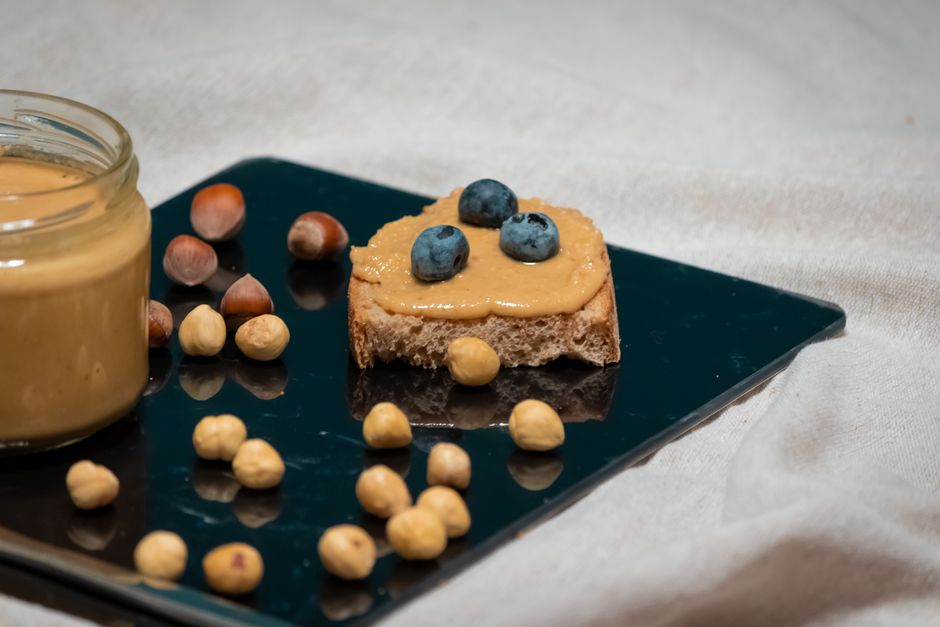
Introducing peanut butter to your baby is one of the most important feeding milestones you will handle. The safest approach is to start early, around 4 to 6 months of age, and to use a thin, smooth consistency. You should never give whole peanuts or thick spoonfuls of peanut butter to an infant because both are choking hazards. Mix a small amount of smooth peanut butter with warm water, breast milk, or formula until it is runny, then offer it on a spoon or mixed into pureed food.
When Should You Introduce Peanut Butter to Your Baby?
Current medical guidance supports introducing peanut-containing foods early. For most babies, this means starting between 4 and 6 months of age, once they show signs of readiness for solid foods. These signs include holding their head up steadily, sitting with support, and showing interest in food.
Research consistently shows that early introduction can reduce the risk of developing a peanut allergy. This is a major shift from older advice, which told parents to wait until age 3. That recommendation was reversed because studies found that delaying peanuts actually increased allergy risk.
If your baby has severe eczema or a known egg allergy, they are at higher risk for peanut allergy. In these cases, many pediatricians recommend an evaluation before introducing peanuts. Some clinicians suggest an allergy test or an in-office introduction for high-risk infants. Speak with your pediatrician about the best plan for your specific baby.
How To Introduce Peanut Butter To Baby Safely
The preparation method matters more than most parents realize. Thick peanut butter can stick to the roof of a baby’s mouth and cause gagging or choking. This is why you must thin it out before offering it.
Start with 2 teaspoons of smooth peanut butter. Mix it with 2 to 3 tablespoons of warm water, breast milk, or formula. Stir until the mixture is completely smooth and runny, similar to the texture of thin yogurt. You can also mix the peanut butter into a fruit or vegetable puree your baby already eats.
Offer a small amount on a soft spoon. Do not put peanut butter on a pacifier or dip a bottle nipple into it. These methods do not allow you to watch your baby’s reaction properly and can create a choking risk.
Give your baby one small taste first. Wait 10 minutes and watch for any signs of a reaction. If there are no symptoms, you can continue offering the rest of the serving. This two-step approach lets you catch an allergic reaction early when it is easier to manage.
What Are the Signs of an Allergic Reaction?
You need to know what an allergic reaction looks like before you start. Most reactions happen within minutes to two hours after eating. Mild symptoms include hives, redness around the mouth, or a few spots of vomit.
Moderate symptoms may include swelling of the face, lips, or eyes, and more widespread hives. Severe symptoms, which indicate anaphylaxis, include difficulty breathing, wheezing, hoarse voice, coughing, pale skin, or sudden sleepiness. Call emergency services immediately if your baby shows any of these severe signs.
Mild symptoms like a few hives around the mouth do not always require emergency care, but you should call your pediatrician. They can advise you on whether to give an antihistamine and whether you need to be seen. Do not try to manage a reaction on your own if you are unsure about its severity.





How Often Should You Offer Peanut Butter?
Once your baby tolerates peanut butter without any reaction, you need to keep offering it regularly. Research indicates that consistent exposure is important for maintaining tolerance. Most experts suggest offering peanut-containing foods about three times per week.
This does not mean three times every week forever. It means you should not introduce peanuts once, see no reaction, and then stop. Regular exposure helps the immune system stay tolerant. If you only give peanuts every few months, the protective effect may be lost.
Incorporate peanut butter into your baby’s normal meal rotation. You can mix it into oatmeal, yogurt, or fruit purees. As your baby grows, you can gradually thicken the consistency and eventually offer small pieces of peanut-containing foods like teething crackers.
What Textures Are Safe at Different Ages?
Texture guidelines change as your baby develops chewing skills. For babies under 6 months, the peanut butter mixture must be very thin and runny. At this age, babies use a sucking motion and do not yet chew.
Between 6 and 9 months, babies begin to mash food with their gums. You can slightly thicken the peanut butter mixture, but it should still be smooth and free of lumps. At this stage, you can spread a thin layer of peanut butter on soft toast strips or mix it into thicker cereals.
After 9 months, most babies can handle more textured foods. You can offer peanut butter spread on soft crackers or mixed into chunky foods. However, you should avoid whole peanuts until at least age 4. Whole peanuts are a leading choking hazard for young children because they can be inhaled into the airway.
What If Your Baby Has a Reaction?
If your baby develops hives or facial swelling after eating peanut butter, stop feeding it immediately. For mild symptoms, call your pediatrician and describe what you saw. Take photos of any rash so you can show the doctor.
For severe symptoms like breathing trouble or persistent vomiting, call emergency services right away. Do not wait to see if symptoms improve. Anaphylaxis can progress quickly, and prompt treatment is essential.
If your baby has a confirmed allergic reaction, your pediatrician will likely refer you to an allergist. The allergist may recommend an oral food challenge in a controlled setting. Some children outgrow peanut allergy, but many do not. An allergist can guide you on whether future introduction is safe.
Can You Prevent Peanut Allergy Entirely?
Early introduction significantly reduces the risk of peanut allergy, but it does not guarantee prevention. Studies show that babies who eat peanuts early have a much lower rate of peanut allergy compared to those who avoid them. However, some babies develop allergies despite early introduction.
Genetics play a role. If you or your partner have food allergies, eczema, or asthma, your baby has a higher baseline risk. This does not mean you should avoid peanuts. In fact, early introduction is especially important for high-risk babies, but it should be done under medical supervision.
There is no way to completely prevent peanut allergy. The goal is to reduce risk as much as possible through early and consistent exposure. If your baby does develop an allergy, modern treatments like oral immunotherapy are available and can help some children build tolerance over time.
What About Organic or Natural Peanut Butter?
Any smooth peanut butter works as long as it is thinned out. Natural peanut butters that separate at room temperature are fine, but you must stir them thoroughly first. The oil layer at the top is not harmful, but it does not mix well with water on its own.
Check the ingredient list. You want peanut butter with no added sugar, salt, or palm oil. Added sugar is unnecessary for babies and can create a preference for sweet foods. Salt is also unnecessary at this age because babies get enough sodium from breast milk or formula.
Some peanut butters contain xylitol, which is toxic to dogs but safe for humans. This is not a concern for your baby, but it is worth noting if you have pets in the house. For your baby, the main concern is simply choosing a smooth product without unnecessary additives.
Frequently Asked Questions
Can I put peanut butter in my baby’s bottle?
No. Adding peanut butter to a bottle is a choking hazard and can interfere with your baby’s ability to feed properly. Always offer peanut butter on a spoon or mixed into pureed food.
What if my baby has eczema, should I still introduce peanut butter?
Babies with eczema are at higher risk for peanut allergy, so talk to your pediatrician first. They may recommend an allergy test or an in-office introduction before you try it at home.
How much peanut butter should I give my baby the first time?
Start with about 2 teaspoons of smooth peanut butter thinned with water, breast milk, or formula. Offer a small taste, wait 10 minutes, and continue only if there is no reaction.
Can I give my baby whole peanuts instead of peanut butter?
No. Whole peanuts are a serious choking hazard for children under age 4. Always use smooth peanut butter that has been thinned to a safe consistency.
