
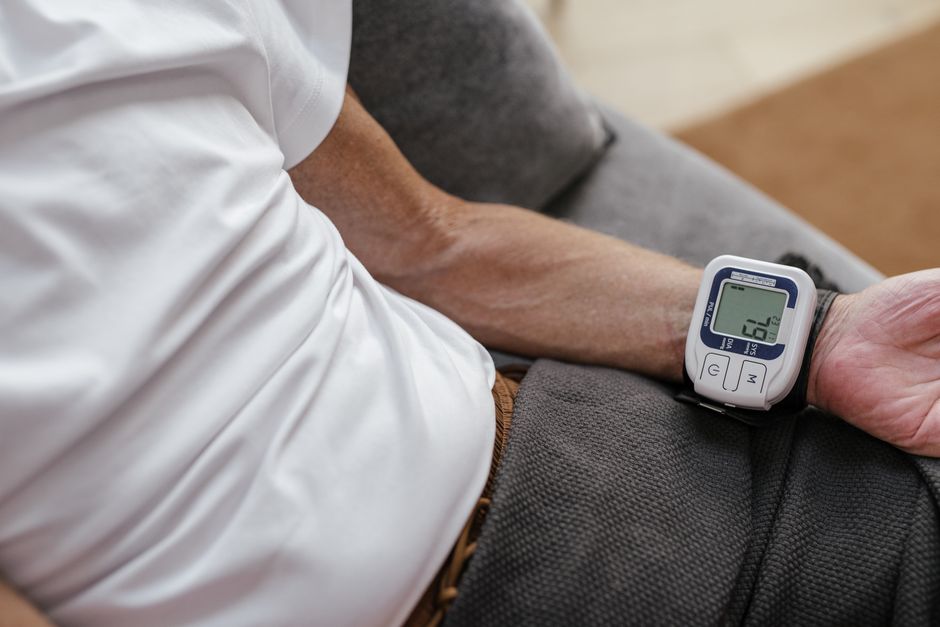
Low systolic blood pressure, the top number in a blood pressure reading, can cause dizziness, fatigue, and fainting. Raising it at home safely starts with understanding why it is low in the first place. The most effective home strategies involve increasing fluid and salt intake, adjusting how you move from lying to standing, and using compression garments—but only after a doctor has ruled out serious underlying causes.
What Does Low Systolic Blood Pressure Actually Mean?
Blood pressure is recorded as two numbers. Systolic pressure, the top number, measures the force in your arteries when your heart beats. Diastolic pressure, the bottom number, measures the force between beats. A normal resting blood pressure is generally considered to be around 120/80 mmHg.
Low blood pressure, also called hypotension, is typically defined as a reading below 90/60 mmHg. For many people, a systolic reading in the 90s causes no symptoms at all. For others, the same number produces lightheadedness, blurred vision, or fatigue. The difference often comes down to how quickly your body adapts to changes in position and blood volume.
Symptoms matter more than the number itself. A systolic pressure of 85 that causes no symptoms may not need treatment. The same reading with fainting episodes requires attention. Your doctor determines whether your specific reading is a problem based on symptoms, not just the number on the monitor.
How To Raise Low Systolic Blood Pressure At Home: First Steps
Start with hydration. Low blood volume is one of the most common reversible causes of low systolic pressure. When your body lacks fluid, your veins have less blood to push back to the heart, and your systolic pressure drops. Drinking more water throughout the day increases blood volume and can raise blood pressure within minutes to hours.
Plain water works. Some research suggests that drinking about 16 ounces of cold water can raise blood pressure in people with low readings, with effects appearing within five minutes and lasting up to two hours. The effect is strongest in people who have orthostatic hypotension, meaning blood pressure drops when they stand up.
Electrolyte drinks can help if you have been sweating heavily or have had vomiting or diarrhea. These conditions deplete both fluid and sodium, and replacing both is necessary to restore blood volume. Sports drinks are one option. Oral rehydration solutions, available at most pharmacies, contain a more precise balance of electrolytes.
When Salt Intake Is the Answer
Sodium helps your body hold onto water. More sodium in your diet means more water stays in your bloodstream, which increases blood volume and raises blood pressure. For people with chronic low blood pressure, doctors often recommend increasing salt intake to 6 to 10 grams per day, compared to the general recommendation of less than 2.3 grams.
This advice applies only to people with diagnosed hypotension. It directly contradicts standard heart-health guidance, which is why it must come from a doctor. If you have heart failure, kidney disease, or are taking blood pressure medication, increasing salt can be dangerous. Never increase salt intake on your own if you have these conditions.
Practical ways to add salt include salting food at the table, choosing broth-based soups, and eating salty snacks like pretzels or olives. Salt tablets are available but should only be used under medical supervision. Food sources are generally safer because they provide salt alongside other nutrients and fluids.



Movement Strategies That Prevent Blood Pressure Drops
Orthostatic hypotension occurs when blood pools in your legs and your body cannot compensate quickly enough when you stand. The result is a sudden drop in systolic pressure, often within three minutes of standing. Simple movement changes can significantly reduce these episodes.
Stand up slowly. Going from lying to sitting, waiting a moment, then standing gives your circulatory system time to adjust. Squeezing your leg muscles before standing, such as pumping your feet or crossing and uncrossing your legs, helps push blood upward. These maneuvers activate the calf muscles, which act as a secondary pump for returning blood to the heart.
Physical counterpressure maneuvers are effective for many people. These involve tensing specific muscle groups for 15 to 30 seconds before or during standing. Examples include clenching your fists, tensing your buttocks, or squeezing a ball. These techniques raise blood pressure by increasing resistance in the blood vessels, forcing blood upward.
Compression Garments and Their Role
Compression stockings apply graduated pressure to the legs, with the tightest compression at the ankle and decreasing pressure higher up. This pressure prevents blood from pooling in the lower legs. For many people with orthostatic hypotension, knee-high or thigh-high compression stockings reduce dizziness and increase standing blood pressure.
Abdominal binders work similarly. The abdomen holds a significant amount of blood when you stand. A binder that compresses the abdomen can reduce blood pooling and improve symptoms. Some research indicates abdominal compression may be more effective than leg compression alone, though both have value.
Compression garments must fit properly to work. Stockings that are too loose provide no benefit. Stockings that are too tight can cause discomfort or skin damage. A healthcare provider can measure you for the correct size and compression level, typically starting at 15 to 20 mmHg for mild symptoms.
Dietary Changes That Support Healthy Blood Pressure
Smaller, more frequent meals can prevent postprandial hypotension, a condition where blood pressure drops after eating. When you eat a large meal, blood rushes to your digestive system, temporarily reducing blood flow elsewhere. This can cause systolic pressure to drop significantly, especially in older adults.
Eating five or six small meals instead of three large ones reduces this effect. Avoiding high-carbohydrate meals can also help, since carbohydrates trigger a larger digestive blood flow response than proteins or fats. Drinking water with meals adds volume and may blunt the post-meal drop.
Caffeine is a temporary option. Caffeine constricts blood vessels and can raise blood pressure for a short period. A cup of coffee may provide 30 to 60 minutes of relief from symptoms. The effect wears off, and regular caffeine use builds tolerance, so it is not a long-term solution.
When To Seek Medical Care
Low systolic blood pressure sometimes signals a serious problem. Fainting, especially if it happens without warning, warrants medical evaluation. Chest pain, shortness of breath, or confusion with low blood pressure requires immediate emergency care. Blood in the stool, black stools, or severe vomiting with low blood pressure also need urgent attention.
Medication side effects are a common cause. Many blood pressure medications, diuretics, antidepressants, and erectile dysfunction drugs can lower blood pressure too much. If you started a new medication and noticed symptoms, talk to your doctor about adjusting the dose or switching drugs. Never stop a prescribed medication on your own.
Underlying conditions can also cause low systolic pressure. These include thyroid disorders, adrenal insufficiency, diabetes-related nerve damage, and heart valve problems. Anemia, dehydration, and pregnancy are additional causes. A doctor can run blood tests and other evaluations to identify whether a medical condition is driving your low readings.
What Does Not Work: Common Myths
Licorice root is often promoted for raising blood pressure. It contains glycyrrhizin, a compound that can cause the body to retain sodium and lose potassium. The effect is real, but the risks are significant. Licorice can cause dangerously low potassium levels, irregular heart rhythms, and fluid overload. It should not be used without medical supervision.
Energy drinks are not a safe solution. They contain caffeine, which provides a temporary boost, but also contain high sugar and other stimulants that can cause heart palpitations and anxiety. The blood pressure effect is short-lived and not worth the cardiovascular strain.
Sitting or lying flat for extended periods does not help. While lying down may temporarily relieve symptoms, it worsens deconditioning over time. The body adapts to whatever position it spends the most time in. If you spend most of your day lying down, standing becomes progressively harder. Regular movement, as tolerated, is better than prolonged bed rest.
Frequently Asked Questions
How quickly can drinking water raise systolic blood pressure?
Drinking about 16 ounces of cold water can raise blood pressure within five minutes, with effects lasting up to two hours. The effect is strongest in people who experience blood pressure drops when standing.
Is it safe to add more salt to my diet for low blood pressure?
Only if your doctor has confirmed the cause of your low blood pressure and recommended it. Increasing salt is unsafe for people with heart failure, kidney disease, or those taking certain blood pressure medications.
What is the fastest way to stop dizziness from low blood pressure?
Lie down with your feet elevated above heart level, or sit and lower your head between your knees. These positions help blood return to the brain and often relieve dizziness within a minute.
Can compression stockings really help with low systolic pressure?
Yes, properly fitted compression stockings prevent blood from pooling in the legs and can improve standing blood pressure. They work best when combined with adequate fluid and salt intake.
