

Lidocaine patches do not raise blood pressure in most people. The medication works locally on the skin and only tiny amounts reach the bloodstream. For the vast majority of users, blood pressure changes are not a concern. However, there are specific situations where blood pressure effects can occur, and understanding those situations matters if you use these patches regularly.
How Do Lidocaine Patches Work?
Lidocaine is a local anesthetic. It blocks sodium channels in nerve cells, which stops pain signals from traveling to the brain. When applied as a patch, the medication penetrates the skin and numbs the area directly beneath it.
This is different from oral pain medications like ibuprofen or opioids. Those drugs enter the bloodstream and affect the whole body. Lidocaine patches are designed to act locally. The FDA-approved version delivers about 3% of the total lidocaine dose into the systemic circulation. That small amount is generally not enough to cause cardiovascular effects.
The patch is approved for post-herpetic neuralgia, which is nerve pain that persists after a shingles outbreak. Many doctors also prescribe it off-label for other types of localized pain, including back pain and arthritis pain.
Can Lidocaine Affect Blood Pressure Under Any Circumstances?
Yes, but only in specific scenarios. When lidocaine enters the bloodstream in large amounts, it can affect the heart and blood vessels. This is well documented in medical settings where lidocaine is injected or given intravenously.
At toxic levels, lidocaine can cause low blood pressure, not high blood pressure. This happens because the drug suppresses cardiac output and dilates blood vessels. High blood pressure is not the typical cardiovascular response to lidocaine toxicity.
That said, there is another angle. Some people experience anxiety or a stress response when using any new medication. This can cause a temporary rise in blood pressure that has nothing to do with the drug itself. If you notice your blood pressure running higher after starting lidocaine patches, it is worth checking whether anxiety or pain itself is the driver.
Pain is a known cause of elevated blood pressure. If the patch is not controlling your pain effectively, your blood pressure may stay elevated because of the pain, not because of the patch.
What Does the Research Say?
Clinical trials of lidocaine patches have not reported blood pressure elevation as a common side effect. The most frequently reported side effects are skin reactions at the application site, such as redness, rash, or irritation.
Some research has examined cardiovascular safety specifically. Studies looking at lidocaine patch use in older adults and people with heart conditions have not found significant blood pressure changes. The systemic absorption is simply too low to produce meaningful cardiovascular effects in typical use.
However, research on this specific question is limited. Most trials were designed to measure pain relief, not blood pressure. The absence of reported blood pressure problems in these trials is reassuring, but it is not the same as dedicated studies on blood pressure outcomes.
What the evidence does show clearly is this: lidocaine patches are considered safe for most people, including those with high blood pressure. The American Heart Association does not list lidocaine patches as a concern for people managing hypertension.




Who Should Be Cautious With Lidocaine Patches?
Certain groups need to be more careful. People with severe liver disease may process lidocaine more slowly. This can lead to higher levels of the drug in the blood, increasing the risk of systemic effects.
People with heart rhythm disorders should also talk to their doctor before using lidocaine patches. While the amount absorbed is small, lidocaine is an antiarrhythmic medication. In rare cases, it can affect heart rhythm, particularly in people with pre-existing conduction problems.
Pregnant women should discuss lidocaine patch use with their obstetrician. No large studies have confirmed the safety of lidocaine patches during pregnancy. The general guidance is to use them only if the potential benefit clearly outweighs the risk.
People taking other antiarrhythmic medications should be especially cautious. Combining lidocaine with drugs like mexiletine or tocainide can increase the risk of additive cardiovascular effects.
How to Use Lidocaine Patches Safely
Follow the dosing instructions exactly. The standard recommendation is to apply the patch for 12 hours and leave it off for 12 hours. Do not wear more patches than prescribed, and do not leave them on longer than directed.
Apply the patch only to clean, dry, intact skin. Do not place it on broken skin, cuts, or rashes. Broken skin allows more lidocaine to enter the bloodstream, which increases the risk of systemic effects.
Do not use heat with the patch. Heating pads, hot water bottles, or direct sunlight can increase absorption of the medication. This can raise blood levels of lidocaine beyond what is intended.
Cutting the patch is generally not recommended unless your doctor specifically instructs it. Cutting can affect the delivery mechanism and lead to unpredictable dosing.
Wash your hands after handling the patch. Keep patches away from children and pets. Used patches still contain medication and should be folded and disposed of properly.
Signs of Lidocaine Toxicity
While rare with patch use, lidocaine toxicity is a medical emergency. Knowing the signs matters, especially if you are using multiple patches or have risk factors for higher absorption.
Early symptoms include numbness of the lips and tongue, a metallic taste, dizziness, and ringing in the ears. These can progress to confusion, blurred vision, and tremors.
Severe toxicity can cause seizures, slowed heart rate, and dangerously low blood pressure. If you or someone you know experiences these symptoms after using a lidocaine patch, seek emergency medical care immediately.
Again, these reactions are extremely rare with patch use. The patch delivery system is designed to limit systemic absorption. But rare does not mean impossible, and knowing the warning signs is responsible use.
Alternatives to Lidocaine Patches for Pain
If you are concerned about blood pressure effects or have risk factors, other options exist. Topical NSAIDs like diclofenac gel are available and work well for localized joint and muscle pain.
Capsaicin cream is another topical option. It works by depleting substance P, a chemical involved in transmitting pain signals. It can cause a burning sensation on first application, but many people find it effective with regular use.
For nerve pain specifically, gabapentin and pregabalin are oral options. These medications do have side effects, including dizziness and sedation, but they do not typically affect blood pressure.
Physical therapy, transcutaneous electrical nerve stimulation units, and acupuncture are non-drug approaches that some people find helpful. Evidence for these varies, but they carry minimal cardiovascular risk.
Talk to your doctor about which option fits your specific pain condition and your overall health profile. The right choice depends on the type of pain, its location, and your medical history.
Monitoring Your Blood Pressure With Lidocaine Patches
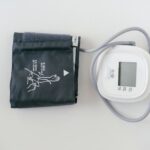
If you have high blood pressure and are starting lidocaine patches, it is reasonable to check your blood pressure at home for the first week. Take a reading in the morning and evening, at the same times each day.
Keep a log and share it with your doctor. If you see a consistent increase of more than 10 points in either systolic or diastolic pressure, contact your healthcare provider. This does not necessarily mean the patch is the cause, but it warrants discussion.
Remember that many factors affect blood pressure daily. Stress, sleep quality, salt intake, and other medications all play a role. A single high reading is not cause for alarm. A pattern of higher readings is worth investigating.
Do not stop taking blood pressure medication or change your pain regimen without talking to your doctor. Sudden changes can be more risky than the condition you are treating.
Frequently Asked Questions
Can lidocaine patches interact with blood pressure medication?
No significant interactions have been reported between lidocaine patches and common blood pressure medications. The amount of lidocaine absorbed is too small to interfere with most antihypertensive drugs.
How long can I wear a lidocaine patch?
The standard recommendation is 12 hours on and 12 hours off. Wearing the patch longer than directed increases the risk of skin irritation and systemic absorption.
Are lidocaine patches safe for people with heart disease?
Most people with heart disease can use lidocaine patches safely, but those with heart rhythm disorders should check with their cardiologist first. The systemic absorption is low, but lidocaine does have cardiac effects at higher doses.
Can I cut a lidocaine patch to fit a smaller area?
Cutting is not recommended unless your doctor specifically instructs it. Cutting can alter how the medication is released and lead to unpredictable dosing.
