
Itching is one of the most distracting sensations the human body can produce. When it starts, the urge to scratch can override almost everything else. The fastest way to stop the cycle is to address the cause directly—whether that is dry skin, an allergic reaction, or a bug bite—while using cold therapy and moisturizers to calm the nerve endings sending the signal.
What Actually Causes the Itch Sensation?
Itching is a specific nerve signal, not just a mild form of pain. Specialized nerve fibers in the skin detect irritants and send signals to the spinal cord and brain. When the brain interprets these signals, it triggers the scratch reflex.
Common triggers include dry skin, histamine release from allergies, insect bites, and skin conditions like eczema or contact dermatitis. In some cases, internal conditions such as liver or kidney disease can cause itching without any visible rash. If you have persistent itching with no rash, that warrants a medical evaluation.
How To Quit Itching: Immediate Relief Strategies
When itching strikes, the goal is to interrupt the nerve signal before scratching begins. Scratching provides temporary relief but often makes the itch worse over time by releasing more inflammatory chemicals.
Start with cold therapy. A cold compress, ice pack wrapped in a towel, or a cool shower numbs the nerve endings and reduces blood flow to the area. This directly blocks the itch signal. Keep the compress on for 10 to 15 minutes.
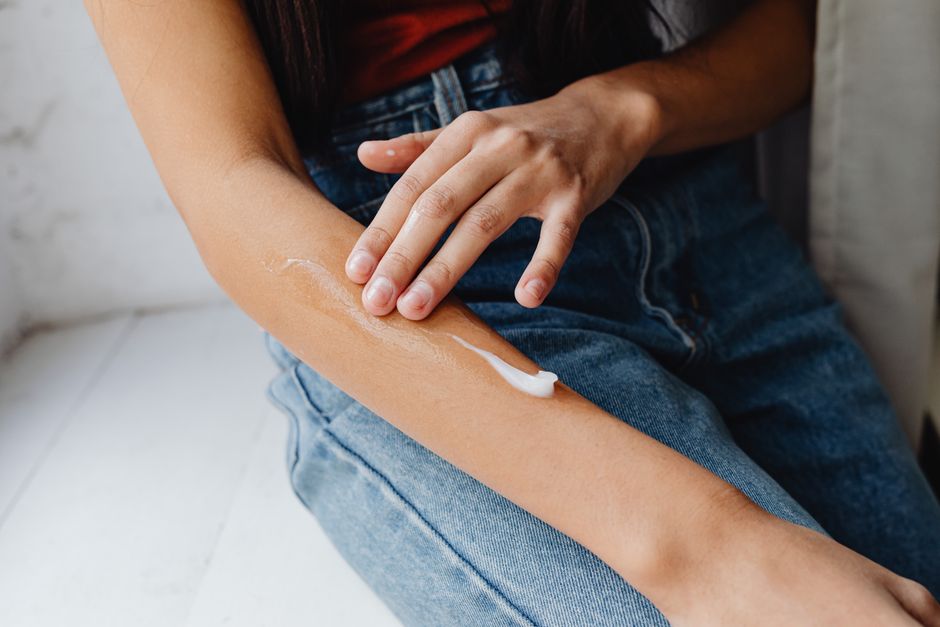
Next, apply a fragrance-free moisturizer. Dry skin is one of the most common itch triggers. Thick creams or ointments containing ceramides or colloidal oatmeal help restore the skin barrier. Apply immediately after bathing while skin is still damp to lock in moisture.
For localized itching from bug bites or allergic reactions, an over-the-counter hydrocortisone cream (1%) can reduce inflammation. Use it sparingly and only for short periods—usually no more than a week—unless directed otherwise by a clinician.
Why Scratching Makes Itching Worse
The relief from scratching is real but short-lived. When you scratch, you create mild pain signals that temporarily override the itch signals. The brain prioritizes pain over itch, which is why scratching feels good in the moment.
However, scratching damages the skin barrier. This triggers the release of more inflammatory mediators, including histamine, which leads to more itching. It becomes a cycle: itch leads to scratch, scratch leads to more itch. Breaking this cycle is the core of any effective treatment plan.
For nighttime itching, this cycle is particularly problematic. Many people scratch unconsciously while sleeping. Keeping fingernails short and wearing cotton gloves at night can reduce skin damage even if you do scratch.





Moisturizing: The First Line of Defense
Dry skin is the most common cause of itching, especially in winter months or in dry climates. When the skin barrier loses moisture, nerve endings become more sensitive to minor irritants.
Choose a moisturizer that is thick and fragrance-free. Lotions contain more water and evaporate quickly. Creams and ointments are more effective for itch relief because they create a physical barrier that traps moisture.
Look for ingredients like:
- Ceramides
- Colloidal oatmeal
- Glycerin
- Petrolatum
- Shea butter
Apply moisturizer at least twice daily. For severe dry skin, apply immediately after every hand wash and after bathing. Consistent moisturizing can resolve mild to moderate itching within a few days.
When To Use Antihistamines for Itching
Antihistamines work only if the itching is caused by histamine release. This includes allergic reactions, hives, and some insect bites. They do not help with dry skin, eczema, or nerve-related itching.
First-generation antihistamines like diphenhydramine (Benadryl) cause drowsiness and are useful at night. Second-generation antihistamines like cetirizine or loratadine are non-drowsy and work well during the day.
For hives, antihistamines are the first-line treatment. For eczema, they are less effective because the inflammation is driven by different immune pathways. If antihistamines do not relieve itching within a few days, the cause is likely not histamine-related.
Bathing Habits That Reduce Itching
Hot water strips the skin of natural oils. Long, hot showers can worsen itching even though the heat feels soothing in the moment. Some people find that hot water relieves itching temporarily because it overwhelms the nerve signals, but the rebound effect is worse.
Take warm or cool showers instead of hot ones. Limit bathing to 10 minutes or less. Use a gentle, fragrance-free cleanser rather than antibacterial soaps, which are more drying.
After bathing, pat the skin dry with a towel. Do not rub. Apply moisturizer within three minutes of stepping out of the shower to seal in the water your skin has absorbed.
Topical Products That Stop Itching Fast
Several over-the-counter products have evidence supporting their use for itch relief:
- Calamine lotion — effective for poison ivy, insect bites, and mild allergic reactions
- Pramoxine — a topical anesthetic that numbs nerve endings
- Menthol (1-3%) — creates a cooling sensation that interrupts itch signals
- Hydrocortisone 1% — reduces inflammation and is best for eczema and allergic reactions
Apply these products in a thin layer. Do not combine multiple medicated products on the same area unless directed by a pharmacist or clinician. Overuse of topical steroids can thin the skin over time.
Lifestyle Changes To Prevent Itching
Prevention is more effective than treatment for chronic itching. Identify your triggers and address them systematically.
Wear loose-fitting, breathable clothing made of cotton. Wool and synthetic fabrics can irritate sensitive skin. Wash new clothes before wearing them to remove residual chemicals from manufacturing.
Keep your environment humidified. Dry indoor air, especially during winter, pulls moisture from the skin. A humidifier in your bedroom can make a measurable difference for nighttime itching.
Reduce stress. Stress does not cause itching directly, but it can worsen inflammatory skin conditions like eczema and psoriasis. The nervous system and immune system are closely connected, and stress reduction techniques like deep breathing or meditation can help some people manage flare-ups.
When Itching Requires Medical Attention
Most itching resolves with home care. However, certain situations require professional evaluation:
- Itching that lasts more than two weeks despite consistent moisturizing
- Itching without any visible rash
- Itching that interferes with sleep regularly
- Rash that is oozing, crusting, or spreading rapidly
- Signs of infection, such as warmth, redness, or swelling
Internal conditions like thyroid disease, iron deficiency, or liver problems can present with generalized itching. A clinician can run basic blood tests to rule these out if home treatment has not helped.
For chronic conditions like eczema or psoriasis, prescription treatments are often necessary. Topical calcineurin inhibitors, prescription-strength steroids, and newer biologic medications are options that require a clinician’s guidance.
Frequently Asked Questions
Does scratching make itching worse?
Yes. Scratching damages the skin and releases more inflammatory chemicals, which triggers more itching.
Why does hot water stop itching temporarily?
Heat overwhelms the itch nerve signals, providing temporary relief, but it strips skin oils and causes a worse rebound itch afterward.
Can antihistamines stop all types of itching?
No. Antihistamines only work for histamine-related itching like hives and allergic reactions, not dry skin or eczema.
How long does it take for hydrocortisone cream to work?
Hydrocortisone cream typically reduces inflammation within one to two days of consistent use, but it should not be used for more than seven days without medical advice.
