
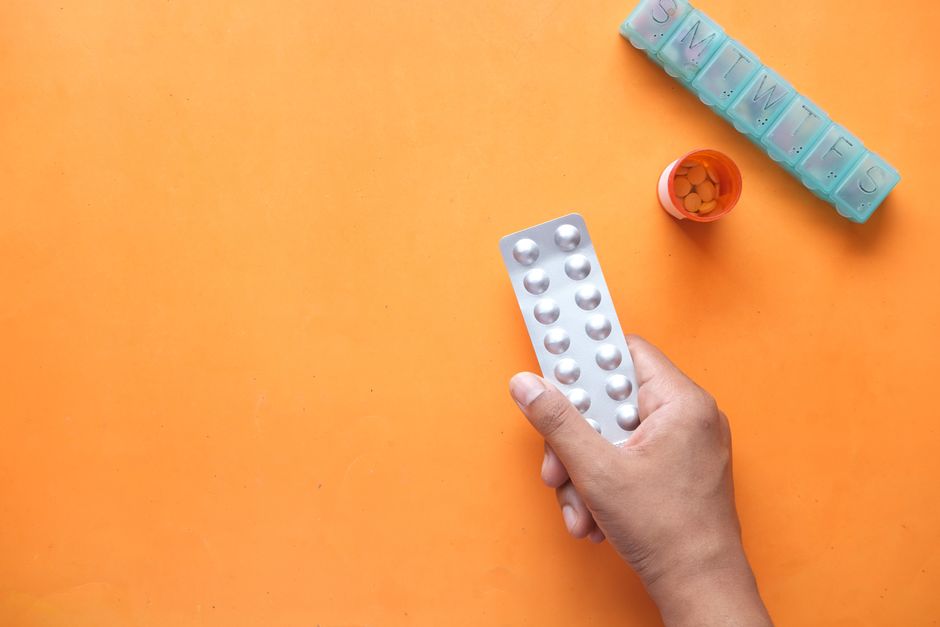
If a man takes a Plan B pill, it will not work as a contraceptive, and it will not cause permanent harm. Plan B contains a high dose of the hormone levonorgestrel, which is a progestin. In men, a single dose causes a temporary, mild shift in hormones that may last for a few days, but it does not affect fertility or long-term health. The most common effects are short-term and minor, such as nausea or fatigue, and the body clears the hormone quickly.
How Does Plan B Work in the Body?
Plan B is designed for women. It works primarily by delaying ovulation. If an egg has not been released from the ovary, sperm cannot fertilize it. The high dose of levonorgestrel sends a signal to the pituitary gland to pause the surge of luteinizing hormone that triggers ovulation.
Men do not ovulate. They produce sperm continuously in the testes. Because the mechanism of action depends on the female reproductive cycle, the drug has no contraceptive effect in a male body. Taking it will not lower sperm count, stop sperm production, or prevent fertilization.
Levonorgestrel is a synthetic progestin. It binds to progesterone receptors, which exist in both men and women. In men, these receptors are present but serve different functions. A single dose does not meaningfully change sperm production because the testes operate on a different hormonal loop involving testosterone and follicle-stimulating hormone.
What Are the Immediate Side Effects for a Man?
Most men who take a single Plan B pill will notice very little. The drug is metabolized quickly, usually within a few days. Some men report temporary nausea, mild headache, or fatigue. These are the same side effects women may experience, though men often report them as less intense.
Because levonorgestrel is a progestin, it can briefly suppress the body’s own production of testosterone. This is a normal feedback response. The pituitary gland detects the synthetic hormone and reduces its signal to the testes. For a day or two, testosterone levels may dip slightly. This is not enough to cause noticeable changes in mood, libido, or physical performance.
There is no evidence that a single dose causes lasting hormonal disruption. The body recognizes the excess progestin, clears it, and returns to baseline. Testosterone levels recover within a few days as the drug leaves the system.
Can Plan B Affect a Man’s Fertility?
No. A single dose of Plan B does not affect male fertility. Sperm production takes about 64 to 74 days from start to finish. A brief hormonal blip lasting a few days cannot interrupt this long process in any meaningful way.
Some men worry that taking Plan B could permanently lower sperm count or damage sperm quality. This concern is not supported by any clinical evidence. The dose is too low and the exposure too brief to alter the cells that produce sperm.
Chronic use of high-dose progestins can suppress sperm production. This is the basis for some experimental male contraceptives. But those use sustained daily dosing over weeks or months. A single emergency contraceptive pill does not come close to that threshold.





What Happens If a Man Takes Plan B Regularly?
Regular use is different from a single dose. If a man took Plan B repeatedly, every day or several times a week, the sustained progestin exposure could suppress testosterone production more noticeably. This could lead to decreased libido, fatigue, or changes in mood. It might also affect sperm count over time.
There is no medical reason for a man to take Plan B regularly. It is not approved for male use, and no doctor would prescribe it that way. If a man is seeking contraception, there are far more effective and safer options designed specifically for men, such as condoms or vasectomy.
If a man is taking Plan B repeatedly for any reason, he should speak with a healthcare provider. There is no established safe dosing schedule for men, and the long-term effects of repeated use are not well studied.
Is Plan B Dangerous for a Man to Take?
A single dose is not dangerous. The drug has been studied extensively in women, and the safety profile in men appears similar based on the pharmacology. There are no known reports of serious adverse events in men who accidentally take a single dose.
The main risk is not toxicity. It is the false sense of security. If a man takes Plan B believing it will protect his partner from pregnancy, he is mistaken. It will not. The only reliable way to prevent pregnancy is for the female partner to use an approved contraceptive or for the couple to use condoms.
If a man takes Plan B and his partner later becomes pregnant, the pill had nothing to do with it. The pregnancy would have occurred regardless. Emergency contraception only works in women, and only when taken before ovulation.
What Should a Man Do If He Accidentally Takes Plan B?
Nothing urgent. The body will process the hormone and return to normal within a few days. If nausea is bothersome, eating a light meal and resting can help. There is no need for an emergency room visit.
A man should only seek medical advice if he experiences severe symptoms, which would be unusual. These might include persistent vomiting, severe abdominal pain, or signs of an allergic reaction such as difficulty breathing. These reactions are rare and are not specific to Plan B.
If the pill was taken intentionally, it is worth asking why. Plan B has no benefit for men. If a man is concerned about fertility, hormone levels, or contraception, a healthcare provider is the right person to talk to. Self-medicating with a female contraceptive is not a solution.
Does Plan B Interact With Other Medications in Men?
Levonorgestrel is processed by the liver through enzymes known as CYP3A4. Certain medications can speed up or slow down this process. Drugs that induce CYP3A4, such as some anti-seizure medications or the herbal supplement St. John’s Wort, can reduce the effectiveness of levonorgestrel. This matters for women relying on the drug for contraception.
For men, this interaction is largely irrelevant because the drug has no intended effect. The only concern would be if the interaction caused the hormone levels to stay elevated longer than expected. This could prolong mild side effects like nausea or fatigue for an extra day or two. It does not pose a meaningful health risk.
As always, anyone taking prescription medications should check with a pharmacist or doctor before adding any new drug, including an over-the-counter one like Plan B.
What About Other Emergency Contraceptives?
Plan B is one type of emergency contraceptive. Others include ella (ulipristal acetate) and the copper IUD. Ella works by blocking progesterone receptors, which is a different mechanism than Plan B. The copper IUD works by creating an inflammatory environment in the uterus that is toxic to sperm and eggs.
None of these work in men. The copper IUD is a physical device inserted into the uterus. Ella, like Plan B, targets the female reproductive cycle. There is no emergency contraceptive that works for males.
This is a common point of confusion. Some men search for a “male Plan B” or wonder if taking a higher dose of a female contraceptive would work. It would not. The biology is fundamentally different.
Frequently Asked Questions
Can a man take Plan B for contraception?
No. Plan B has no contraceptive effect in men because it works by delaying ovulation, which only occurs in women.
Will Plan B lower a man’s sperm count?
A single dose will not. Sperm production takes over two months, and a brief hormonal change lasting a few days cannot interrupt it.
Is Plan B toxic for men?
No. A single dose is not toxic and is cleared from the body within a few days. Serious side effects are extremely rare.
What should a man do if he takes Plan B by accident?
Nothing urgent. He can expect mild nausea or fatigue for a day or two. Medical attention is only needed for severe or unusual symptoms.
