
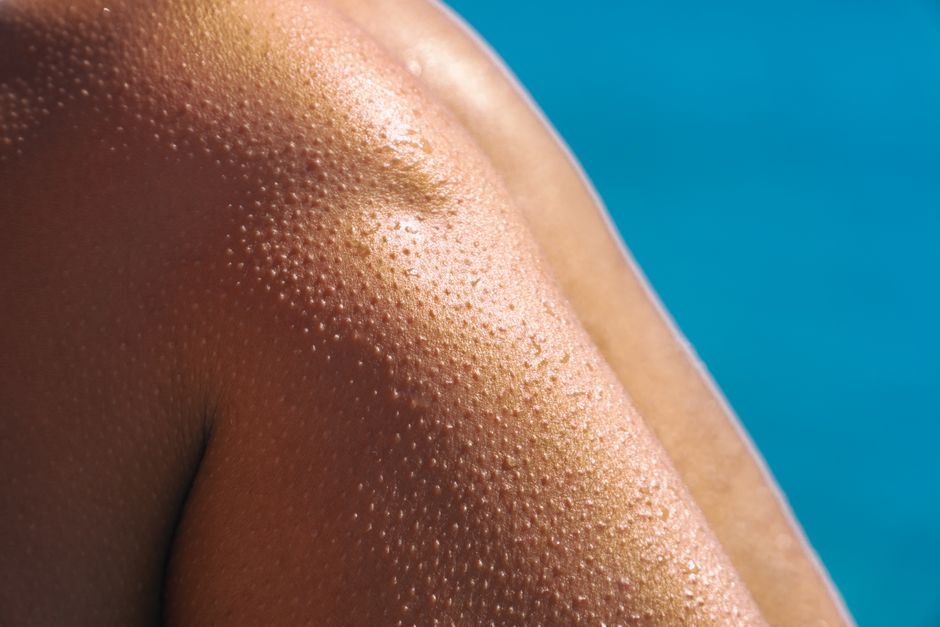
Heat rash happens when sweat gets trapped under your skin. The fastest way to clear it is to cool the skin, keep it dry, and stop the sweating that caused it. Most cases fade within a few hours to a few days once you move to a cooler, less humid place and wear loose, breathable clothing. If the rash is mild, that is often all you need.
Heat rash goes by several names: prickly heat, miliaria rubra, and sweat rash. It is common in hot weather, during exercise, and in anyone who spends long hours in heat. Babies get it often because their sweat glands are still developing. Adults get it too, especially when they are overdressed for the conditions or sitting in a hot, humid room.
This guide explains what is actually happening in your skin, what helps, what does not, and when a rash needs a doctor rather than a cool shower.
What Is Heat Rash And Why Does It Happen?
Heat rash is a blockage of your sweat ducts. Sweat is produced by glands deep in the skin and travels up tiny ducts to the surface. When those ducts get blocked, sweat cannot escape. It leaks into nearby tissue instead, and the skin responds with redness, itching, and small bumps.
The blockage usually comes from three things working together: heat, moisture, and friction. A hot, humid environment keeps sweat sitting on the skin. Tight clothing or heavy fabric rubs against the skin and traps moisture. Over time, the top layer of skin can swell and close off the duct openings.
There are a few recognized forms. The mildest, called miliaria crystallina, shows up as clear, tiny blisters without much redness. Miliaria rubra is the classic red, itchy, prickly rash most people mean when they say heat rash. A deeper form, miliaria profunda, produces firm, flesh-colored bumps and is less common. It tends to appear in people who have repeated bouts of heat rash, such as soldiers or athletes training in hot climates.
One thing worth understanding: heat rash is not an infection at the start. It is a mechanical problem with a sweat duct. That matters because it explains why cooling and drying work, and why antibiotics or antifungal creams do nothing for a simple case.
How To Quickly Get Rid Of Heat Rash
Cool the skin and stop the sweating. That is the core of it. Everything else supports those two steps.
Get out of the heat first. Move to an air-conditioned room, a fan, or shade. If you cannot leave the environment, the rash will likely keep coming back no matter what you apply to it.
Take a cool shower or apply cool, damp cloths to the area. Cool water lowers skin temperature and helps the ducts open again. Pat the skin dry gently afterward. Do not rub, because friction irritates the rash and can block more ducts.
Let the skin breathe. Remove tight clothing and let the area air out. Loose cotton or moisture-wicking fabric helps. Avoid heavy creams, ointments, and thick lotions on the rash, because they trap moisture and can make the blockage worse.
For itching, a cool compress is the first option. Some clinicians recommend calamine lotion or a light, water-based moisturizer for comfort. Over-the-counter hydrocortisone cream is sometimes used for short periods on inflamed, itchy patches, but it should not be applied to broken skin or used long term without medical advice. If you are unsure, ask a pharmacist.
Do not pop the bumps or scrub the area. That can break the skin and allow bacteria in. A heat rash that becomes infected is a different problem and needs medical care.
In most mild cases, these steps reduce the rash within a day or so. If it does not improve after a few days of cooling and drying, that is a signal to see a doctor.
What Actually Helps And What Does Not
Some popular remedies help. Others do nothing or make things worse.
- Cooling and airflow: The most reliable step. Lowering skin temperature and letting sweat evaporate is the direct fix.
- Loose, breathable clothing: Reduces friction and trapped moisture. Cotton and moisture-wicking fabrics both work.
- Cool showers and compresses: Helpful for comfort and for reopening ducts.
- Baby powder or cornstarch: Can absorb moisture, but only if the skin is already dry. On damp skin, powder can cake and add to the blockage.
- Heavy ointments and petroleum jelly: Usually counterproductive. They seal in moisture.
- Antibiotic or antifungal creams: Not useful for uncomplicated heat rash, which is not caused by germs.
- Scrubbing or exfoliating: Makes it worse by irritating the skin.
A note on powders: they are widely used and can help in dry conditions, but they are not a treatment for an active, weeping rash. If the skin is moist, drying it first matters more than what you dust on top.





Who Gets Heat Rash And Why
Anyone can get heat rash, but some people are more prone to it.
Newborns and infants are especially susceptible. Their sweat ducts are not fully mature, and they cannot easily move themselves to a cooler spot or remove a blanket. This is why heat rash is common in babies who are overdressed or kept in warm rooms.
Adults who work or exercise in heat are also at higher risk. That includes outdoor workers, athletes, and anyone training in humid conditions. Humidity matters because sweat evaporates more slowly when the air is already full of moisture.
People who are on bed rest or cannot move easily may develop heat rash in areas where skin folds and clothing trap heat and moisture. Obesity increases the risk too, because skin folds hold more moisture and create more friction.
Certain medications can reduce sweating, which sounds like it would prevent heat rash but can actually make the body retain heat and change how sweat behaves. If you take medication and notice recurring rashes in heat, mention it to your doctor.
How To Prevent Heat Rash From Coming Back
Prevention comes down to managing heat and moisture before the rash starts.
Dress for the conditions, not for fashion. In hot, humid weather, choose loose, light-colored, breathable clothing. Change out of sweaty clothes promptly after exercise or work. Wet fabric against the skin is a setup for blocked ducts.
Shower and dry off after sweating heavily. A quick rinse removes salt and sweat residue that can clog ducts. Pat dry rather than rub.
Control your environment where you can. Air conditioning, fans, and shade all reduce the heat load on your skin. If you work outdoors, take breaks in cool areas.
For babies, avoid over-bundling. A common mistake is dressing an infant for a cold room when the room is warm. Check the back of the baby’s neck, not the hands, to judge whether they are too warm.
If you get heat rash often, keep the routine simple: stay cool, stay dry, and give your skin airflow. Most recurring cases trace back to a hot, humid environment that was never fully addressed.
When Heat Rash Needs A Doctor
Most heat rash clears on its own with cooling and drying. Some situations need medical attention.
See a doctor if the rash does not improve after several days of home care, if it spreads rapidly, or if it becomes very painful. Signs of infection include increasing redness, swelling, warmth, pus, or a fever. An infected rash may need prescription treatment, and that is different from simple heat rash.
Also seek care if you have a rash with no clear heat or sweat trigger, or if it keeps returning without an obvious cause. Heat rash has a recognizable pattern, but other skin conditions can look similar. A doctor can tell the difference.
For infants, call a pediatrician if the rash looks infected, if the baby seems unwell, or if you are unsure. Do not apply strong creams or adult treatments to a baby’s skin without medical guidance. No clinical guidelines support using adult hydrocortisone products on infants without a doctor’s direction.
Frequently Asked Questions
How long does heat rash usually last?
Mild heat rash often fades within a few hours to a few days once you cool the skin and stop sweating. If it lasts longer than a few days despite cooling, see a doctor.
Does calamine lotion help heat rash?
Calamine lotion can soothe itching and is commonly used for comfort. It does not fix the blocked sweat duct, so cooling and drying remain the main steps.
Can I use hydrocortisone cream on heat rash?
Some clinicians recommend short-term use of over-the-counter hydrocortisone on itchy, inflamed patches. Do not apply it to broken skin or use it long term without medical advice, and do not use adult products on infants without a doctor’s guidance.
When should I see a doctor for heat rash?
See a doctor if the rash does not improve after several days, spreads quickly, becomes very painful, or shows signs of infection like pus, swelling, or fever. Infants with a worsening rash should be checked by a pediatrician.
