
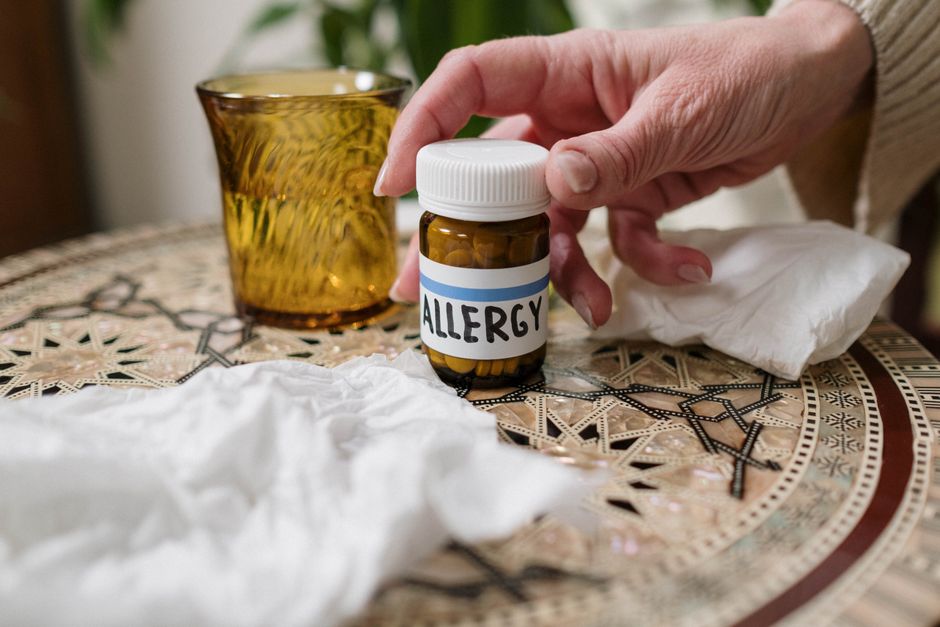
Allergy symptoms can make you miserable fast, but you can often find real relief at home without waiting for a doctor’s appointment. The quickest way to reduce symptoms is to remove the allergen from your immediate environment, rinse it off your body, and use a saline rinse to clear your nasal passages. For many people, these simple steps cut symptoms down significantly within minutes to a few hours.
How To Quickly Get Rid Of Allergies At Home
The fastest relief comes from targeting the allergen itself, not just the symptoms. If pollen is the problem, close the windows and turn on the air conditioning. If dust is the issue, put on a mask and vacuum the room you are in. Then take a shower to wash pollen off your skin and hair, and change into clean clothes. This stops the allergen from continuing to trigger your immune system.
For nasal symptoms like sneezing and a runny nose, a saline nasal rinse works quickly and safely. You can buy a squeeze bottle or neti pot at most drugstores. Use distilled, sterile, or previously boiled water, and follow the device instructions. This physically flushes out allergens and mucus, and many people feel relief within minutes.
Over-the-counter antihistamines also work well for quick relief, with most taking effect within one to two hours. Nonsedating options like loratadine, cetirizine, or fexofenadine are good choices for daytime use. For eye itching and redness, artificial tears can wash allergens out of the eyes, while cold compresses reduce swelling and soothe irritation.
What Causes Allergy Symptoms At Home
An allergy is your immune system overreacting to a harmless substance. When you breathe in pollen, dust mites, or pet dander, your body mistakes it for a threat and releases histamine. Histamine causes blood vessels to dilate and fluid to leak into tissues, which produces the classic symptoms of sneezing, congestion, runny nose, and itchy eyes.
Indoor allergens are often the main culprits because you spend many hours inside. Dust mites are microscopic bugs that live in bedding, upholstery, and carpets. They thrive in warm, humid environments and feed on dead skin cells. Pet dander, which is tiny flakes of skin from cats and dogs, can linger in the air and stick to furniture for months after the pet is gone. Mold spores can grow in damp areas like bathrooms, basements, and kitchens.
Seasonal pollen can also enter your home through open windows, on your clothing, and in your hair. Once inside, it settles on surfaces and continues to cause symptoms. Identifying which allergen is affecting you helps you take targeted action, but general cleaning and rinsing strategies work for most common triggers.
Which Home Remedies Actually Work For Allergies
Some home remedies have solid evidence behind them, while others are mostly marketing. Saline nasal rinses are well studied and recommended by doctors for allergic rhinitis. They are safe for daily use and have no significant side effects when done properly.
Steam inhalation can help temporarily. Breathing in warm, moist air from a bowl of hot water or a hot shower can loosen thick mucus and soothe irritated nasal passages. The relief is short-lived, but it can make you more comfortable. Be careful with boiling water to avoid burns, and do not add essential oils without checking their safety.
Honey is frequently promoted as a natural allergy cure, but the evidence does not support it. The theory is that eating local honey desensitizes you to local pollen, but honey is made from flower pollen, not the wind-pollinated grasses and trees that cause most allergies. Some research suggests honey may help with cough symptoms, but no clinical evidence confirms it treats allergic rhinitis.
Butterbur is a herbal supplement that has shown some promise in studies for reducing hay fever symptoms. However, raw butterbur contains compounds that can damage the liver, so only processed extracts that remove these compounds should be used. The evidence is not strong enough to recommend it as a first-line treatment, and you should talk to a doctor before trying it.





How To Clean Your Home To Remove Allergens
Cleaning is one of the most effective long-term strategies for controlling indoor allergies. The key is to clean in a way that removes allergens rather than stirring them into the air. Vacuum with a HEPA filter, which traps fine particles instead of blowing them back out. Vacuum carpets and upholstery at least once a week, and more often during peak allergy season.
Dust with a damp cloth rather than a dry one. Dry dusting pushes particles into the air where you can breathe them in. A damp microfiber cloth traps dust and removes it from surfaces. Focus on areas where dust collects, such as bookshelves, blinds, ceiling fans, and electronics.
Wash bedding weekly in hot water that is at least 130 degrees Fahrenheit to kill dust mites. If you cannot use hot water, a dryer on high heat for at least 15 minutes will also kill them. Encase pillows and mattresses in allergen-proof covers, which create a barrier between you and the dust mites living inside.
Control humidity in your home. Dust mites and mold both thrive in humidity above 50 percent. Use a dehumidifier in damp basements and bathrooms, and fix any leaks promptly. Aim for indoor humidity between 30 and 50 percent. Air conditioners also help by removing moisture from the air and filtering out pollen.
When To See A Doctor For Allergies
Home management works for many people, but some situations require professional care. If your symptoms do not improve after two weeks of consistent home treatment and over-the-counter medications, see a doctor. Persistent symptoms can interfere with sleep, work, and daily life, and you do not need to suffer through them.
See a doctor immediately if you have trouble breathing, wheezing, chest tightness, or swelling of your face or throat. These can be signs of a severe allergic reaction, which is a medical emergency. Shortness of breath that comes with allergy symptoms could also indicate asthma, which requires proper diagnosis and treatment.
Doctors can offer treatments that are not available over the counter. Prescription nasal steroid sprays like fluticasone are highly effective for nasal congestion and are considered the gold standard for moderate to severe allergic rhinitis. They take several days to reach full effect, so they are not a quick fix, but they provide strong long-term control.
Allergy testing can identify exactly what you are reacting to. Skin prick tests or blood tests can confirm sensitivities to specific pollens, dust mites, mold, or pet dander. With that information, you can target your avoidance strategies more precisely. Immunotherapy, which includes allergy shots or under-the-tongue tablets, can reduce your sensitivity over time and is the only treatment that changes the underlying allergic response.
Are Air Purifiers Worth It For Allergies
Air purifiers can help, but they are not a complete solution. A HEPA air purifier can remove airborne particles like pollen, dust, and pet dander from the room where it operates. However, allergens settle on surfaces quickly, so an air purifier only cleans the air that passes through it, not the surfaces in your home.
For best results, place the purifier in the room where you spend the most time, usually the bedroom. Run it continuously, and choose a unit sized appropriately for the room. Look for a clean air delivery rate, or CADR, that matches your room size. Higher CADR numbers mean faster cleaning.
Air purifiers with electrostatic precipitators or ionizers can produce ozone, which is a lung irritant. The California Air Resources Board warns against ozone-generating air purifiers. Stick with mechanical HEPA filtration, which is safe and effective. An air purifier is a useful tool, but it should be combined with regular cleaning and allergen avoidance, not used instead of them.
Frequently Asked Questions
Can I get rid of allergies permanently at home?
No home treatment permanently cures allergies. You can manage symptoms and reduce exposure, but the underlying immune sensitivity remains.
What is the fastest way to stop sneezing from allergies?
Saline nasal rinsing is the fastest physical method because it flushes out the allergen directly. An over-the-counter antihistamine starts working within one to two hours.
Does drinking water help allergies?
Staying hydrated keeps mucus thinner and easier to clear, which can reduce congestion. Water does not block the allergic response itself.
Is it safe to use a neti pot every day?
Yes, daily use is safe when you follow proper technique. Always use distilled, sterile, or previously boiled water, and clean the device after each use.
