
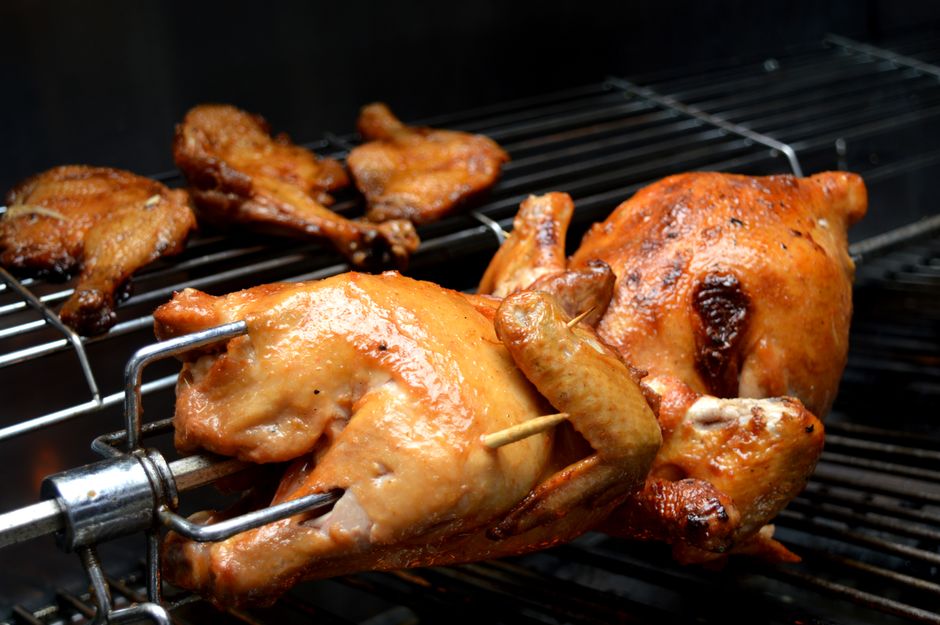
Roast a whole chicken at 350°F for about 20 minutes per pound, plus an extra 10-15 minutes. A typical 4-5 pound chicken needs 1 hour 20 minutes to 1 hour 45 minutes total. The only way to know for sure is when a meat thermometer inserted into the thickest part of the thigh reads 165°F. That is the standard. Everything else is guesswork.
How Long To Roast A Chicken At 350?
The simple answer is 20 minutes per pound at 350°F. For a 4-pound chicken that means 80 minutes. For a 5-pound bird, 100 minutes. These are starting points, not guarantees.
The USDA sets the safe internal temperature at 165°F. That is not negotiable. Your oven temperature, the chicken’s starting temperature, and even the shape of the bird all affect cooking time. A flat, butterflied chicken cooks faster than a trussed one. A cold chicken straight from the fridge takes longer than one that sat on the counter for 30 minutes.
Here is the honest truth: time-based recipes are estimates. The thermometer is the only tool that gives you a real answer. Cook until the thickest part of the thigh hits 165°F. Check the breast too — it should be at least 160°F but can go to 165°F without drying out if you rest the bird properly.
What Temperature Should Chicken Be When Done?
165°F is the magic number. The USDA says this temperature kills salmonella and campylobacter instantly. That is the safety standard.
But here is something many home cooks miss: carryover cooking. A chicken’s internal temperature rises 5-10°F after you pull it from the oven. So if you pull it at 160°F, it will coast up to 165°F during the rest period. That is safe and often produces juicier meat.
The breast and thigh cook at different rates. The breast is lean and dries out fast. The thigh is fatty and forgiving. Target 160°F in the breast and let carryover finish the job. Check the thigh separately — it often needs more time than the breast. A thermometer in each spot removes all doubt.
How Do I Know When Roast Chicken Is Done Without a Thermometer?
You cannot know for sure without a thermometer. That is not opinion — that is physics. Color, juices, and wiggling legs are unreliable indicators.
Some people swear by the “juices run clear” test. Pierce the thigh with a knife. If the liquid is clear, they say it is done. But pink juices can persist even at safe temperatures due to myoglobin in the meat. Clear juices are a decent sign but not proof.
The leg wiggle test is another old trick. If the leg moves easily in the socket, the connective tissue has broken down. That usually means the thigh is done. But the breast could still be undercooked or already dry.
Here is the bottom line: a $10 instant-read thermometer removes all guesswork. It is the cheapest insurance against undercooked chicken. If you roast chicken regularly, buy one. If you are cooking for guests, buy one. Your meal will be safer and taste better.

Should I Cover the Chicken While Roasting?
No. Roast a chicken uncovered at 350°F. A covered bird steams instead of roasts. The skin stays soft and pale instead of turning golden and crisp.
If the skin is browning too fast, tent the bird loosely with foil. That means laying a sheet of foil over the top without sealing the pan. This slows browning without trapping steam. Do this only in the last 20-30 minutes if needed.
Some recipes call for basting every 20 minutes. Research published in the Journal of Culinary Science & Technology found that basting does not make meat juicier. It mostly cools the surface and slows cooking. If you want crispy skin, do not baste. If you want even browning, rotate the pan once halfway through.
What Is the Best Way to Season and Prep a Roast Chicken?
Dry the skin thoroughly with paper towels. Moisture is the enemy of crisp skin. Pat the bird dry inside and out. Salt the skin generously and let it rest uncovered in the fridge for 4-24 hours. This dries the skin further and lets salt penetrate the meat.
A simple seasoning of salt, black pepper, and a little garlic powder works as well as anything complex. Herbs like thyme or rosemary add flavor but do not affect cooking time. Stuff the cavity with lemon halves, garlic cloves, or fresh herbs for aroma.
Trussing — tying the legs together — is optional. It makes the bird look neat but slows thigh cooking. Untrussed birds cook more evenly because hot air reaches the thighs directly. For faster, more even cooking, skip the twine.
Place the chicken breast-side up on a rack in a roasting pan. The rack lifts the bird off the pan bottom so heat circulates underneath. No rack? Use thick carrot or onion slices as a makeshift rack. They add flavor and prevent sticking.
Comparison: Roasting Times for Different Chicken Sizes at 350°F
| Chicken Weight | Approximate Time | Internal Temp Target |
|---|---|---|
| 3-4 lbs | 60-80 minutes | 165°F in thigh |
| 4-5 lbs | 80-100 minutes | 165°F in thigh |
| 5-6 lbs | 100-120 minutes | 165°F in thigh |
| 6-7 lbs | 120-140 minutes | 165°F in thigh |
These times assume the chicken starts at refrigerator temperature, about 40°F. A chicken that sat at room temperature for 30 minutes may cook slightly faster. Always verify with a thermometer.
What Temperature Should I Rest the Chicken After Roasting?
Rest the chicken on a cutting board, loosely tented with foil, for 10-15 minutes. Do not skip this step. Resting lets juices redistribute throughout the meat. Cut too soon and those juices run onto the board, leaving dry meat behind.
The internal temperature will rise 5-10°F during resting. This is carryover cooking. If you pulled the breast at 160°F, it will reach 165°F safely during the rest. The thigh may climb to 170-175°F, which is fine — dark meat stays moist at higher temperatures.
Do not rest longer than 30 minutes. After that, the meat starts cooling below serving temperature. If you need to hold the chicken longer, keep it in a warm oven at 200°F, but expect some moisture loss.
Does Stuffing Affect Roasting Time?
Yes, significantly. A stuffed chicken takes longer to cook because the cavity is filled with cold, dense stuffing. The USDA recommends cooking stuffing to 165°F internally, which often means the breast overcooks while waiting for the stuffing to reach temperature.
For safety, cook stuffing separately in a baking dish. It takes less time and gives you more control. If you must stuff the bird, add 15-20 minutes to the total cooking time. Check the stuffing temperature with a thermometer inserted into the center of the stuffing, not the bird.
The CDC specifically warns against stuffing poultry ahead of time. Bacteria from raw chicken can contaminate the stuffing, and if the stuffing does not reach 165°F, it can cause foodborne illness. Bake stuffing in a separate dish at 350°F for 30-40 minutes. It is safer and the chicken cooks more evenly.
Frequently Asked Questions
How long to roast a chicken at 350 per pound?
Roast 20 minutes per pound at 350°F. A 4-pound chicken takes about 80 minutes.
Can I roast a chicken at 350 without a thermometer?
Yes, but it is risky. Use the juice-clear test and leg wiggle test as rough checks, but a thermometer is far more reliable.
Should I roast chicken at 350 or 375?
350°F is safer for even cooking. 375°F cooks faster but risks drying the breast before the thigh is done.
How long does a 5 lb chicken take to cook at 350?
A 5-pound chicken takes about 1 hour 40 minutes at 350°F. Confirm with a thermometer reading 165°F in the thigh.
