
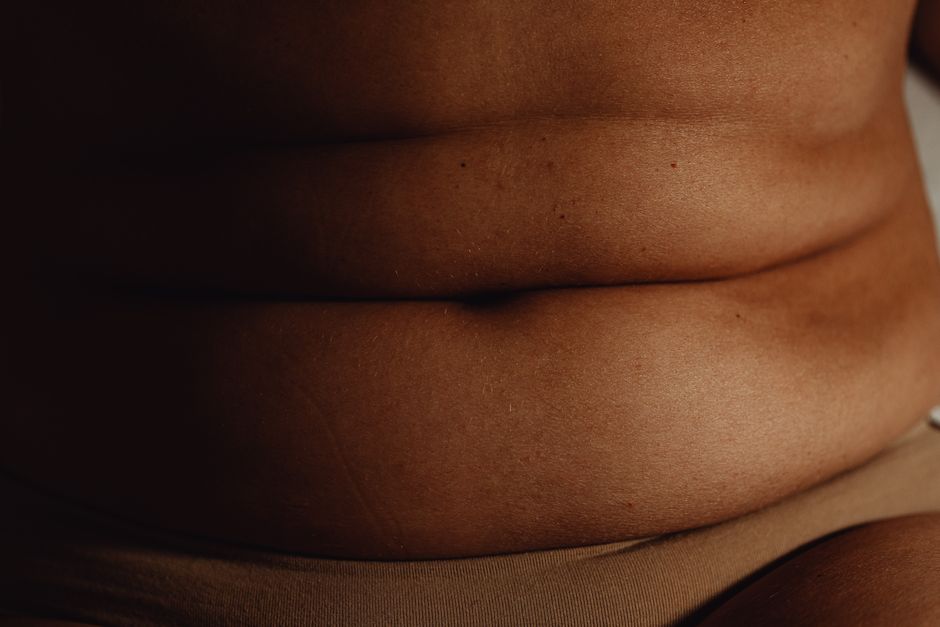
A tummy tuck, or abdominoplasty, is major surgery — not a weight-loss procedure. To qualify, you generally need to be in stable health, at or near a stable weight, a non-smoker (or willing to quit), and finished having children. Surgeons also check your skin and muscle condition, because a tummy tuck removes excess skin and tightens abdominal muscles rather than removing fat alone.
That is the short answer. The longer answer involves a set of medical, physical, and practical checks that vary from one surgeon to another. This article explains what those checks are, why they exist, and what can make a person a poor candidate.
What Is a Tummy Tuck and What Does It Actually Do?
Abdominoplasty is a surgical procedure that removes excess skin and fat from the lower abdomen and tightens the abdominal wall muscles.
It is not the same as liposuction. Liposuction removes fat but leaves skin behind. A tummy tuck addresses skin and muscle, which is why it is often considered after pregnancy or major weight loss when skin no longer snaps back.
There are two main types. A full tummy tuck involves a longer incision, repositioning of the belly button, and muscle repair. A mini tummy tuck targets only the lower abdomen below the belly button and typically does not include full muscle tightening. Some surgeons also offer an extended tummy tuck that reaches around the hips and flanks.
Understanding what the surgery does matters for qualification. If your main concern is fat, a tummy tuck may not be the right operation. If your main concern is loose skin or a weakened abdominal wall, it may be.
How Do You Qualify for a Tummy Tuck? What Surgeons Check
There is no single national standard that determines who qualifies. Each surgeon applies their own criteria, usually shaped by professional guidelines, surgical risk, and their own experience.
That said, most surgeons evaluate the same core areas. Here is what they tend to look at.
- Weight stability. Most surgeons want your weight to have been stable for a period of months before surgery. Significant weight change after a tummy tuck can affect results.
- Body mass index (BMI). Many surgeons set an upper limit, though the specific number varies. A BMI in the range of 30 or above is often a threshold where surgeons either decline or ask for weight loss first, because higher BMI is linked to higher surgical risk.
- Overall health. A medical history and often a physical exam look for conditions that raise surgical risk.
- Smoking status. Smoking narrows blood vessels and impairs wound healing. Many surgeons require patients to stop smoking for several weeks before and after surgery.
- Skin quality and elasticity. Loose, stretched skin responds best. Skin that still has good tone may not need surgery.
- Muscle separation. Diastasis recti — a separation of the abdominal muscles — is a common reason the procedure is considered.
- Pregnancy plans. Surgeons usually recommend waiting until you are done having children.
These are common criteria, not a universal checklist. A surgeon’s specific requirements can differ based on your health history and their own clinical judgment.
Why Does Weight Stability Matter So Much?
Weight stability matters because a tummy tuck reshapes tissue, and that reshaping is most predictable when your weight is not changing.
If you lose a significant amount of weight after surgery, the skin that was tightened may loosen again. If you gain weight, the results can be distorted. Neither outcome means the surgery failed, but both can undo some of the work.
This is also why many surgeons ask patients to reach a weight they can realistically maintain before scheduling surgery. The goal is not a specific number on the scale — it is a stable baseline.
Some people wonder whether they should lose weight before a tummy tuck. That is a conversation to have with a surgeon, because the answer depends on how much weight, your starting point, and how your skin responds to weight loss. Losing a large amount of weight first can sometimes leave more loose skin, which may actually make you a better candidate for skin removal.





Does Smoking or Vaping Disqualify You?
Smoking is one of the most consistent reasons surgeons delay or decline a tummy tuck.
Nicotine constricts blood vessels and reduces blood flow to healing tissue. That raises the risk of wound healing problems, infection, and tissue death (necrosis) after surgery. Because a tummy tuck involves long incisions and a large area of undermined skin, adequate blood flow matters a great deal.
Most surgeons require patients to stop smoking for a set period before surgery and to stay off nicotine during recovery. The exact window varies. Vaping and nicotine replacement products are often treated the same way, because nicotine itself — not just smoke — is the concern.
If you smoke and are considering a tummy tuck, be honest with your surgeon. Hiding it does not protect you; it raises your risk.
What Health Conditions Can Affect Eligibility?
Certain medical conditions can make a tummy tuck riskier or unsuitable. This is not about judgment — it is about surgical safety.
Conditions surgeons commonly weigh include:
- Uncontrolled diabetes, which impairs wound healing.
- Heart or lung disease, which raises anesthesia risk.
- Blood clotting disorders or use of blood-thinning medications.
- Weakened immune function, which raises infection risk.
- Uncontrolled high blood pressure.
- Prior abdominal surgery, which can affect scar tissue and blood supply.
Having one of these conditions does not automatically rule you out. It means your surgeon will assess how well it is managed and whether the risk is acceptable. In some cases, a surgeon will ask for clearance from your primary care doctor or a specialist first.
This is one area where the specifics matter and general advice does not. Only a surgeon who reviews your actual history can tell you whether a condition affects your candidacy.
What Role Do Pregnancy and Future Plans Play?
Most surgeons recommend waiting until you are done having children before a tummy tuck.
Pregnancy stretches the abdominal wall and skin. If you become pregnant after a tummy tuck, it can reverse some of the muscle tightening and skin removal. It is not dangerous in most cases, but it can affect your results.
This is why surgeons often ask about family plans during the consultation. Some people choose to wait; others decide they are finished and proceed. There is no single right answer, but the conversation is part of qualification.
What Happens at a Tummy Tuck Consultation?
The consultation is where most of the qualification actually happens.
A surgeon will typically review your medical history, examine your abdomen, and discuss your goals. They may take measurements, assess skin quality, and check for muscle separation. Some will order lab work or request medical clearance.
You should expect to talk about:
- Your weight history and whether it has been stable.
- Any medications or supplements you take.
- Your smoking and alcohol use.
- Prior surgeries.
- What results you are hoping for and whether they are realistic.
A good consultation is a two-way conversation. You are also evaluating the surgeon — their experience, their approach, and whether they explain risks honestly. Be wary of anyone who guarantees results or downplays the recovery.
What Are the Risks and Recovery Realities?
A tummy tuck is real surgery with real recovery. Anyone considering it should understand both.
Common risks include infection, bleeding, fluid accumulation (seroma), poor wound healing, scarring, and changes in sensation. Less common but serious risks include blood clots and tissue necrosis. These are documented risks of the procedure itself, not rare exceptions.
Recovery typically involves several weeks of limited activity. Most people need help at home for the first days. Drains are often used for a period after surgery. Full healing and final scar appearance can take months.
Anyone who tells you this is a quick, easy procedure is not giving you the full picture.
Is a Tummy Tuck the Right Choice for You?
Qualifying for a tummy tuck is not the same as it being the right choice. Those are two separate questions.
You might qualify medically and still decide the recovery, cost, or scarring is not worth it. You might not qualify today but become a candidate later after stabilizing your weight or managing a health condition.
It is also worth knowing that a tummy tuck is not a weight-loss tool and not a substitute for lifestyle changes. It addresses a specific problem — excess skin and weakened muscles — that diet and exercise often cannot fix on their own.
If you are unsure, a consultation is the honest way to find out where you stand. Bring your questions. Ask about risks. Ask what happens if you are not a candidate. The answers will tell you as much about the surgeon as about your own eligibility.
Frequently Asked Questions
What BMI do you need for a tummy tuck?
There is no single national BMI cutoff, but many surgeons set an upper limit, often around a BMI of 30. The specific number varies by surgeon and by your overall health.
Can you get a tummy tuck if you smoke?
Most surgeons require you to stop smoking and all nicotine products for a period before and after surgery. Nicotine impairs blood flow and wound healing, so continuing to smoke usually delays or rules out the procedure.
Do you have to be done having children to qualify?
Most surgeons recommend waiting until you are finished having children, because pregnancy can reverse muscle tightening and skin removal. It is a strong recommendation rather than an absolute rule, and surgeons vary.
Is a tummy tuck the same as liposuction?
No. A tummy tuck removes excess skin and tightens abdominal muscles, while liposuction removes fat and leaves skin in place. They address different problems and are sometimes combined.
