
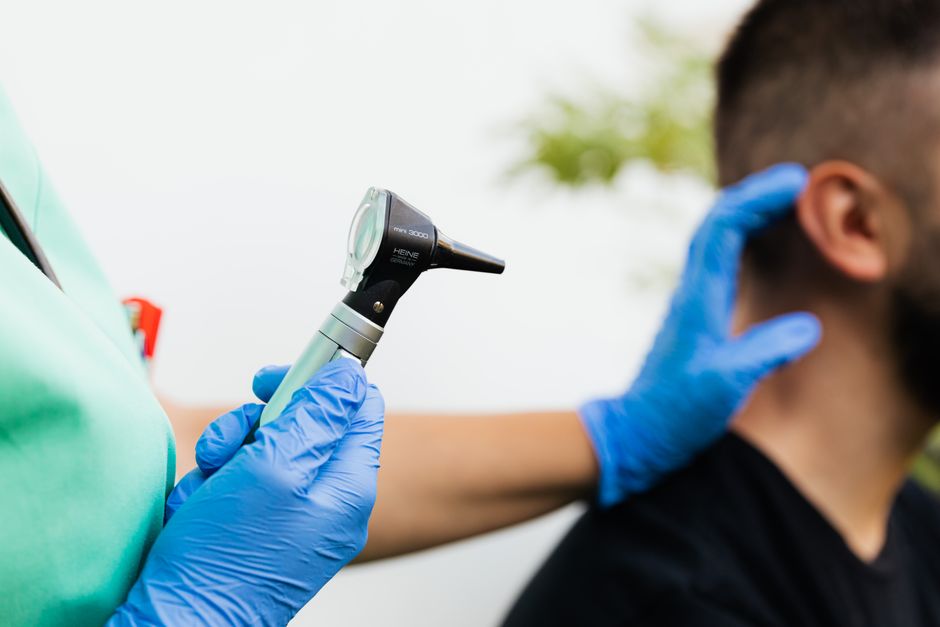
The only way to confirm enlarged adenoids in adults is through a medical examination. A doctor uses a small camera called a nasal endoscope to see the adenoids directly, or orders imaging such as an X‑ray or CT scan. You cannot see or feel your adenoids at home because they sit behind your nose, above the roof of your mouth. However, certain symptoms can make you suspect enlargement and prompt you to see a healthcare provider.
What Are Adenoids and Why Do They Enlarge in Adults?
Adenoids are soft tissue pads located at the back of the nasal cavity, above the throat. They are part of the immune system and help trap germs entering through the nose. In children, adenoids are relatively large and often shrink during teenage years. By adulthood, they are usually very small or nearly gone. Enlargement in adults is uncommon but can happen. The most common causes are chronic infections, allergies, acid reflux, or irritation from smoking. In rare cases, a growth may be non‑cancerous or, very rarely, cancerous. Because adenoid enlargement in adults is not typical, doctors usually investigate carefully to rule out other problems.
What Symptoms Suggest Enlarged Adenoids in Adults?
Symptoms occur when the enlarged tissue blocks the nasal airway or the opening of the eustachian tubes. Common signs include persistent nasal congestion that does not improve with allergy medicine, trouble breathing through the nose, loud snoring, and frequent waking at night. Some adults report a feeling of something stuck in the throat, muffled voice, or ear pressure and infections. If the enlargement is severe, it can contribute to sleep apnea. Not everyone with enlarged adenoids has all of these symptoms, and many of these symptoms can also be caused by other conditions such as nasal polyps, sinusitis, or allergies.
How To Check For Enlarged Adenoids In Adults?
A doctor checks for enlarged adenoids with a procedure called nasal endoscopy. A thin, flexible tube with a light and camera is passed through one nostril into the back of the nose. The doctor can see the adenoids directly and assess their size. The procedure is usually done in the office with a numbing spray. It takes only a few minutes. If the endoscope does not provide a clear view, or if more detail is needed, the doctor may order an X‑ray or CT scan. The size of the adenoids is often graded on a scale from 0 to 4, where 0 means no enlargement and 4 means nearly complete blockage of the airway. This grading helps decide whether treatment is needed. There is no reliable home test. Some online sources suggest feeling the back of the throat with a finger, but that does not reach the adenoids and can be unsafe. Only a medical professional should perform the exam.





Can You Check for Enlarged Adenoids at Home?
No, you cannot check for enlarged adenoids at home. The adenoids are not visible through the mouth or nose without special equipment. You cannot feel them with your finger because they are located behind the soft palate, above the throat. What you can do at home is pay attention to symptoms. If you have persistent nasal blockage, mouth breathing, or snoring that is new or getting worse, it makes sense to see a doctor. Some people use a small flashlight and mirror to look in the back of their throat, but that shows the tonsils, not the adenoids. Relying on home checks can delay proper diagnosis, especially if the cause is something other than adenoid enlargement.
What Are the Treatment Options for Enlarged Adenoids in Adults?
Treatment depends on the cause and severity of symptoms. If an infection is present, antibiotics may be prescribed. For allergies, nasal steroid sprays or antihistamines can help reduce swelling. Treating acid reflux with diet changes or medication may also shrink adenoid tissue. If symptoms are mild, watchful waiting is reasonable because some cases improve on their own. When symptoms are moderate to severe—such as significant breathing trouble, sleep apnea, or recurrent ear infections—surgery may be recommended. Adenoidectomy in adults is less common than in children but is performed under general anesthesia. The recovery period typically involves a sore throat and a soft diet for a week or two. Risks include bleeding, infection, and changes in voice quality. Most adults who have surgery report improvement in breathing and sleep. The decision to operate should be made with an ear, nose, and throat specialist after a clear diagnosis.
When Should You See a Doctor for Possible Enlarged Adenoids?
You should see a doctor if you have persistent nasal congestion that does not respond to over‑the‑counter treatments, chronic ear infections, loud snoring that disturbs your sleep or a partner’s sleep, or waking up gasping for air. Also see a doctor if you have a sensation of a lump in your throat that does not go away, or if your voice changes noticeably. These symptoms can be caused by enlarged adenoids but also by other conditions such as nasal polyps, sinusitis, or tumors. A doctor can determine the cause through examination and, if needed, imaging. Early evaluation matters because untreated obstruction can lead to complications like sleep apnea, which affects heart health.
Frequently Asked Questions
Can adults get enlarged adenoids?
Yes, but it is uncommon. Adenoids usually shrink after childhood, but infections, allergies, or reflux can cause them to enlarge in adulthood.
How is an adenoid check done?
Doctors use a thin camera called a nasal endoscope to see the adenoids directly. Sometimes an X‑ray or CT scan is used for a clearer view.
Is adenoid surgery painful?
You will be under anesthesia during the procedure. Afterward, most adults have a sore throat and some pain for about a week, which can be managed with pain relievers and a soft diet.
Do adenoids grow back after removal?
Rarely, small amounts of adenoid tissue can regrow, but it does not usually cause the same symptoms. Regrowth is more common in children than adults.
