
Braces wax is a simple product, but applying it correctly makes all the difference. The trick is to dry the bracket completely, roll the wax into a small ball, and press it firmly over the sharp spot. If the wax keeps falling off, the bracket is likely still wet or the wax ball is too big. Here is the step-by-step method that works.
What Is Braces Wax and Why Does It Fall Off?
Braces wax is medical-grade silicone or paraffin wax. It creates a smooth barrier between the metal bracket and the inside of your cheek, lips, or tongue. It does not heal sores, but it prevents further irritation while your mouth adjusts.
Wax falls off for a few clear reasons. The most common is moisture. Saliva creates a film on the bracket that stops the wax from adhering. Another reason is applying wax to a bracket that still has food or toothpaste residue on it. And sometimes, people roll the wax into a ball that is simply too large, so it catches on the cheek and gets pulled off.
The good news is that this is a fixable problem. The application technique matters more than the brand of wax you buy.
How To Put Wax On Braces Tips To Make It Stick
Start with clean hands. Wash them thoroughly with soap and water. Any oil or lotion on your fingers will transfer to the wax and weaken its grip.
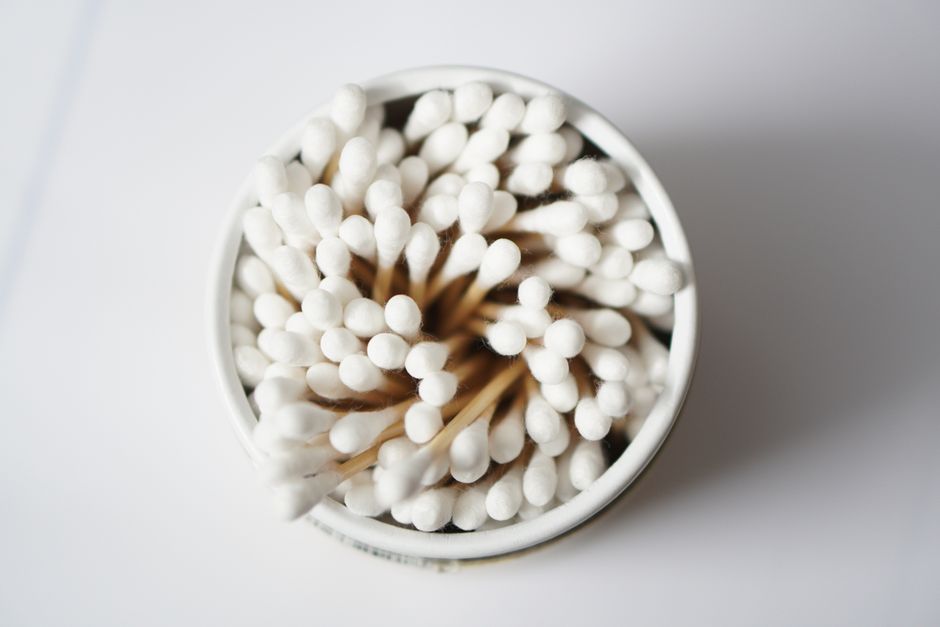
Next, dry the bracket. Use a cotton swab or a clean tissue to wipe the bracket and the surrounding tooth surface. This step is not optional. Wax will not stick to a wet surface. Some people find it helpful to use a hairdryer on a cool setting for a few seconds, but a cotton swab usually does the job.
Roll a small piece of wax between your thumb and index finger. The ball should be about the size of a small pea, or even smaller. A tiny ball presses flat and stays put. A large ball sits high off the bracket and gets knocked off by your cheek or tongue.
Press the wax directly onto the sharp bracket. Push down with your finger until it flattens and molds around the metal edges. You want the wax to wrap slightly around the bracket, not just sit on top of it. Hold it in place for a few seconds. The warmth of your finger softens the wax and helps it form a seal.
If you have multiple sore spots, do one bracket at a time. Do not try to cover your entire arch with wax. That is uncomfortable and unnecessary.
How Long Should Braces Wax Stay On?
Wax is a temporary fix, not a permanent solution. It usually stays in place for several hours, sometimes up to a day. It will gradually soften and break down as you eat and drink.
You should remove the wax before brushing your teeth. Leaving it on while brushing can push it into the brackets and make cleaning harder. Remove it with a toothbrush or your finger, brush normally, and reapply fresh wax afterward.
You do not need to change wax constantly. Replace it when it starts to feel loose, when it has collected food particles, or when it no longer covers the sharp edge. If you swallow a small piece of wax, do not worry. It is non-toxic and passes through your digestive system without causing harm.





Why Does Wax Keep Falling Off at Night?
Nighttime is when wax fails most often. During sleep, your mouth produces less saliva, but you may also grind your teeth or press your tongue against the brackets. These movements can dislodge wax.
There is a technique that helps. Before bed, dry the bracket thoroughly and apply a slightly larger piece of wax than you would during the day. Press it firmly and make sure it covers the entire sharp edge. Some orthodontists suggest using a small piece of orthodontic silicone instead of traditional wax at night because it is more flexible and holds its shape longer.
If wax falls off every single night, mention it at your next orthodontic appointment. The wire may be poking out further than it should, or a bracket may have shifted. Your orthodontist can trim the wire or adjust the bracket to reduce irritation.
What To Do If Wax Will Not Stick At All
If you have dried the bracket, used a small ball, and pressed firmly, but the wax still falls off within minutes, there are a few things to check.
First, look at the bracket. Is there a sharp wire end sticking out beyond the last bracket? Wax may not grip a bare wire tip well. In that case, a small piece of cotton or a specialized orthodontic relief wax with a stronger adhesive may work better.
Second, consider what you ate recently. Greasy foods leave a film on your teeth and brackets. Even after brushing, a thin layer of oil can remain. Rinsing with water alone may not remove it. Brush again with toothpaste, rinse thoroughly, and dry the bracket before applying wax.
Third, check the wax itself. Old wax that has been sitting in a hot car or a pocket can become too soft and sticky. Fresh wax from the pharmacy or orthodontist generally performs better. If your wax is melting in your hand before you can apply it, store it in a cool place.
Some people have success with orthodontic silicone instead of wax. Silicone is more durable and adheres better to dry brackets. It is slightly more expensive, but it can be worth it if standard wax is not working for you.
How To Remove Braces Wax Without Pain
Removing wax should not hurt. If it does, you are pulling too hard. Use your finger or a soft toothbrush to gently lift the edge of the wax. Once one edge lifts, the rest peels off easily.
Do not use a metal tool or tweezers to scrape wax off. You can scratch the bracket or injure your gums. A clean fingertip is the safest tool.
If wax has hardened and feels stuck, rinse your mouth with warm water for a few seconds. The warmth softens the wax and makes removal easier. Then brush gently to remove any remaining residue.
When To See Your Orthodontist Instead of Using Wax
Wax is a bandage, not a repair. If a wire is poking into your cheek so deeply that it draws blood, or if a bracket has completely come loose, wax will not fix the underlying problem.
Call your orthodontist if you have severe pain, a broken bracket, or a wire that cannot be covered with wax. In the meantime, you can use wax to protect your mouth, but you should not delay getting professional care.
Mouth sores from braces usually heal within a week. If a sore lasts longer than that, or if you notice signs of infection like swelling, pus, or spreading redness, contact your orthodontist or a dentist.
Other Ways To Reduce Brace Irritation
Wax is not the only tool for managing brace discomfort. A warm saltwater rinse can soothe irritated cheeks. Mix half a teaspoon of salt in a glass of warm water and swish for 30 seconds. This is a well-established home remedy for mouth sores.
Over-the-counter oral gels containing benzocaine can numb the sore area temporarily. These are widely available, but follow the package instructions carefully. They are not a substitute for wax, but they can help you sleep or eat more comfortably.
Some people find that eating softer foods for the first few days after a wire adjustment reduces irritation. This is not a medical requirement, but it is practical advice that many orthodontists give.
Frequently Asked Questions
Can I wear braces wax while eating?
No, remove wax before eating. Food will stick to it, and chewing can dislodge it or push it into the brackets.
How much wax should I use for one bracket?
Use a piece about the size of a small pea or smaller. A tiny ball presses flat and adheres better than a large one.
Is it bad to swallow braces wax?
No, braces wax is non-toxic and passes through your system without harm. Swallowing a small piece is not a concern.
Why does my wax keep falling off no matter what I do?
Moisture is the most common cause. Dry the bracket completely with a cotton swab before applying wax, and make sure no toothpaste residue remains.
