
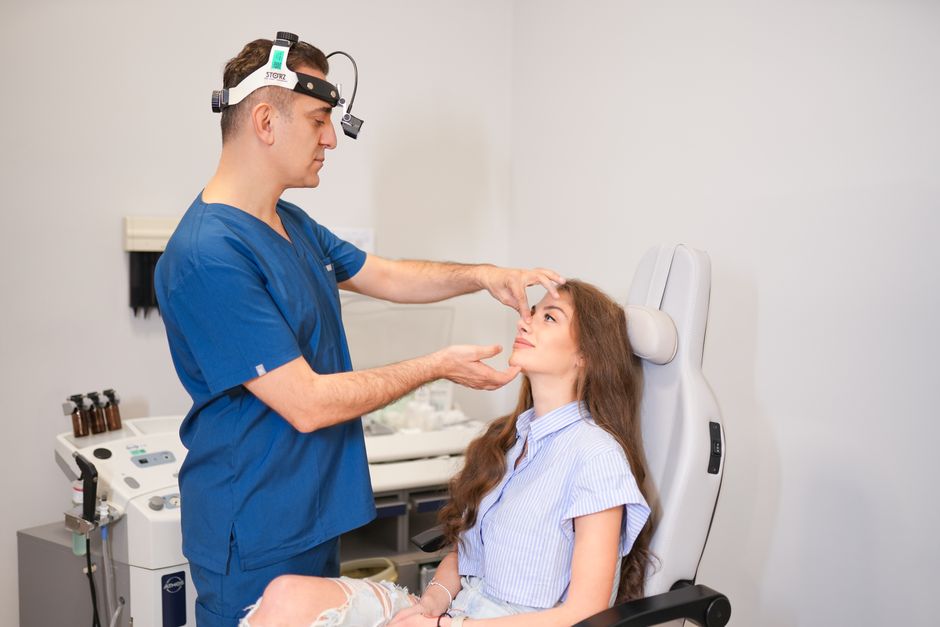
Most surgeons recommend waiting at least six weeks after rhinoplasty before wearing glasses. The reason is simple: your nasal bones and cartilage need time to heal into their new position, and the weight of glasses can press on the bridge and shift the result. Some patients can wear glasses sooner with special taping techniques, but the six-week mark is the standard guidance you will hear from most plastic surgeons.
Why Glasses Can Affect Your Rhinoplasty Results
Your nose supports the weight of your glasses. That pressure sits right on the nasal bridge, which is the area most affected by rhinoplasty. During surgery, the surgeon reshapes bone and cartilage. That tissue needs time to firm up and hold its new shape.
If glasses press on the bridge too early, they can create a dent, an asymmetry, or even shift the bones before they fully heal. This is not a minor cosmetic issue. It can undo part of the surgical result and may require a revision procedure to fix.
The healing timeline matters here. In the first two weeks, the nose is at its most fragile. By week three to four, some stability returns, but the bone is still not solid. Most surgeons agree that waiting the full six weeks gives the best chance of protecting your result.
What the First Two Weeks Look Like
Immediately after surgery, your nose will be splinted. You cannot wear glasses over the splint anyway. The splint stays on for about one week. During this time, you should not rest any weight on your nose at all.
After the splint comes off, the nose looks swollen and feels tender. The underlying bone is still healing. Even light pressure from glasses can be problematic at this stage. Many patients switch to contact lenses during this period, which is the easiest solution.
If you absolutely must wear glasses in the first two weeks, some surgeons allow taping the glasses to your forehead or cheeks so they do not touch the nose. This is a temporary workaround, not a long-term solution. You should only do this with your surgeon’s approval.
Weeks Three to Six: Gradual Healing
By week three, the initial swelling has gone down noticeably. The nose looks more like its final shape, but healing is still ongoing. The bones are knitting together, and the cartilage is settling. This is not the time to introduce regular pressure.
Some patients feel fine and want to resume normal activities. That is understandable. But the internal healing does not match how you feel on the outside. The bone may look stable while still being vulnerable to pressure.
During weeks three to six, you can start wearing glasses for short periods if your surgeon agrees. Keep the sessions brief. Check the bridge of your nose afterward for any redness or indentation. If you see marks, that means the pressure is too much.
After Six Weeks: The Standard Green Light
At six weeks, most surgeons clear patients to wear glasses normally. The nasal bones have typically healed enough to handle the weight of standard eyewear. This is the most common recommendation across plastic surgery practices.
That said, healing varies from person to person. Some patients need eight weeks or longer, especially if they had more extensive surgery. If your procedure involved significant bone work, such as osteotomies, your surgeon may recommend a longer waiting period.
Heavy glasses frames are a separate consideration. Thick acetate frames or large sunglasses weigh more than thin metal frames. Even after six weeks, you might want to choose lighter frames to reduce pressure on the healing bridge.
How to Wear Glasses Without Touching Your Nose
If you need glasses before the six-week mark, there are practical methods to keep them off your nose. These are temporary solutions, but they work.
- Contact lenses: The simplest option. No pressure on the nose at all. If you do not already wear contacts, ask your eye doctor about getting fitted.
- Taping the glasses: Some patients tape the arms of their glasses to their forehead or cheeks. This lifts the bridge off the nose. It looks unusual, but it protects the surgical site.
- Glasses with a forehead rest: Some specialty eyewear designs support the frame on the forehead instead of the nose. These are not common but are available through some opticians.
- Sports goggles: Some adjustable sports goggles can be positioned to avoid the nose bridge. They are not ideal for daily wear but can work in a pinch.
None of these are permanent solutions. They are meant to get you through the healing window without compromising your surgical result.
What Happens If You Wear Glasses Too Early
Wearing glasses too soon can cause visible problems. The most common issue is a dent or depression on the nasal bridge. This happens because the bone is still soft and the pressure of the glasses creates an indentation.
Another risk is asymmetry. If glasses sit unevenly, they can press more on one side of the nose. This can make the final result look lopsided. Correcting this usually requires a revision rhinoplasty, which is more surgery and more recovery time.
There is also the risk of delayed healing. Pressure on the nose can increase swelling and slow the recovery process. This extends the time you have to wait before seeing your final result.
The honest answer is that no one can predict exactly how much pressure causes damage. It depends on the individual, the surgical technique, and how much bone work was done. That uncertainty is why surgeons are conservative with their recommendations.
Long-Term Glasses Wear After Rhinoplasty
Once you are fully healed, wearing glasses is generally safe. The nose has returned to a stable structure, and normal eyewear pressure will not change it. Most patients go back to their regular glasses without any issues.
However, if you had a very narrow or refined nasal bridge as part of your surgery, heavier frames may feel different than before. The bridge may be more prominent or less padded. You might find that certain frame styles fit differently than they did before surgery.
This is not a medical problem. It is just a fitting change. An optician can adjust your frames to sit more comfortably on your new nasal shape.
Talk to Your Surgeon Before Making a Decision
Your surgeon knows the details of your procedure. They know how much bone work was done, how your tissue responded, and what your healing progress looks like. Their advice should override any general timeline.
At your follow-up appointments, ask directly: “When can I wear my glasses full time?” Bring your glasses to the appointment so the surgeon can see the weight and fit. They can give you a personalized answer based on your actual healing.
If you are unsure whether you are ready, err on the side of caution. An extra week or two of contact lenses is a small price to pay compared to a compromised surgical result.
Frequently Asked Questions
Can I wear glasses after 3 weeks of rhinoplasty?
Most surgeons advise against wearing glasses at three weeks because the nasal bones are still healing. If you must wear them, keep the duration very short and check with your surgeon first.
How can I wear glasses after rhinoplasty without touching my nose?
You can tape the glasses to your forehead or cheeks, use contact lenses, or try specialty frames that rest on the forehead. These are temporary solutions until your surgeon clears you for normal wear.
Will wearing glasses ruin my rhinoplasty results?
Wearing glasses too early can create dents or asymmetry in the healing nose. Waiting the recommended six weeks significantly reduces this risk.
When can I wear sunglasses after rhinoplasty?
The same timeline applies to sunglasses as regular glasses. Wait at least six weeks, and choose lighter frames to reduce pressure on the nasal bridge.
