
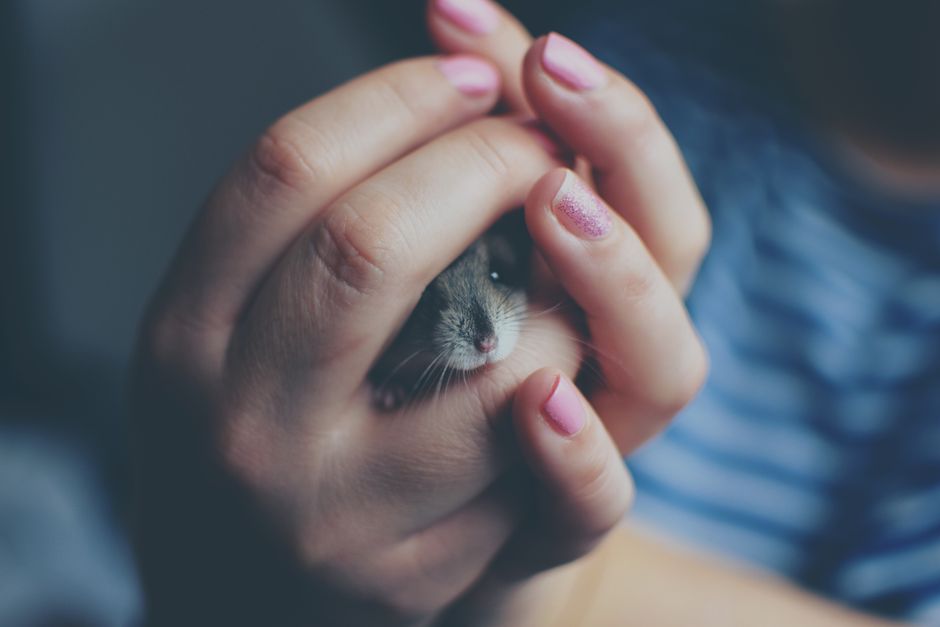
Hamster bites can break skin, bleed, and hurt more than people expect. The real question is whether they are dangerous. For most healthy adults, a hamster bite is not a serious medical emergency, but it does carry real risks of infection. Rabies from a hamster is extremely rare, to the point that it is nearly a non-issue in modern pet care. The bigger concerns are bacterial infections, tetanus, and how you care for the wound in the first hours after the bite.
Can a Hamster Bite Give You Rabies?
Rabies from a hamster bite is extraordinarily rare. In fact, public health records show almost no confirmed cases of rabies transmission from pet rodents like hamsters, mice, or rats.
Rabies spreads through the saliva of an infected mammal. Hamsters are small prey animals. They rarely survive an encounter with a rabid animal long enough to become infected and then bite a human. Most pet hamsters are bred in captivity and never come into contact with wild animals that carry rabies.
Public health agencies do not typically recommend rabies post-exposure prophylaxis for hamster bites. The risk is so low that it is not considered a standard concern. If a wild rodent bites you, the situation is different, but a pet hamster from a reputable source is not a realistic rabies vector.
What Infections Can You Get From a Hamster Bite?
Bacterial infection is the main risk from a hamster bite. Hamster mouths contain a variety of bacteria, and a bite that breaks the skin can introduce those bacteria into your tissue.
The most commonly discussed infection is rat-bite fever. Despite the name, it can come from other rodents. The bacteria Streptobacillus moniliformis causes it. Symptoms include fever, headache, muscle pain, and a rash. It is treatable with antibiotics, but it requires prompt medical attention.
Another concern is tetanus. Tetanus bacteria live in soil and dirt. A deep puncture wound from a bite can introduce them. This is why tetanus vaccination status matters after any animal bite.
Local infections are the most common outcome. The wound can become red, swollen, warm, and painful. Pus may form. This usually develops within 24 to 48 hours after the bite. If you see these signs, you need medical care.
How Serious Is a Hamster Bite Really?
For a healthy adult, a hamster bite is rarely dangerous. The bite is small. Hamster teeth are not large, and they do not have the jaw strength to cause deep tissue damage like a dog or cat.
The danger is not the bite itself. It is what happens after. A small puncture wound can close over quickly, trapping bacteria inside. This is why proper cleaning matters more than the size of the bite.
Children are at higher risk for complications. Their immune systems are still developing, and they may not report the bite right away. If a child is bitten, monitor the wound closely and watch for signs of infection. The same applies to older adults and anyone with a weakened immune system.
Hamster bites can also cause a psychological reaction. A painful bite can make a child afraid of the pet. This is normal. It does not mean the hamster is aggressive or dangerous. Most bites happen when the hamster is startled, handled roughly, or mistaken for food.





Why Do Hamsters Bite in the First Place?
Hamsters bite for specific reasons. Understanding these reasons helps prevent future bites.
Hamsters have poor eyesight. They rely on smell and hearing. When a hand suddenly appears, they may not recognize it as their owner. A startled hamster may bite defensively.
Waking a sleeping hamster is a common trigger. Hamsters are nocturnal. They sleep deeply during the day. If you reach into the cage and grab a sleeping hamster, it may bite out of pure reflex before it even knows what is happening.
Food is another trigger. Hamsters hoard food in their cheek pouches. If you reach for the hamster while it is holding food, it may protect its stash. Wash your hands before handling your hamster. If your hands smell like food, the hamster may investigate with its teeth.
Pain or illness can also cause biting. A sick hamster may bite because it feels vulnerable. If your normally gentle hamster suddenly starts biting, a vet visit is worth considering.
What Should You Do Immediately After a Hamster Bite?
Act quickly. The first few minutes after the bite determine your infection risk.
Wash the wound immediately with soap and warm water. Use mild soap. Let the water run over the wound for several minutes. This flushes out bacteria and debris.
Apply pressure with a clean cloth if the wound is bleeding. Most hamster bites stop bleeding quickly. If it does not stop after 10 minutes of firm pressure, seek medical care.
Apply an over-the-counter antibiotic ointment after cleaning. Cover the wound with a sterile bandage. Keep it clean and dry for the next few days.
Do not squeeze the wound to force bleeding. This can push bacteria deeper into the tissue. Let it bleed naturally if it is bleeding. If it is not bleeding, do not intentionally open the skin further.
When Should You See a Doctor After a Hamster Bite?
Some situations require professional medical care. Do not wait to see if things get better on their own.
See a doctor if the bite is deep, if it will not stop bleeding, or if the wound is on your hand, foot, face, or near a joint. These areas have less blood flow or more delicate structures, making infection more dangerous.
Seek medical care if you develop signs of infection. Redness spreading beyond the immediate wound area, increasing pain, swelling, warmth, or discharge all warrant a medical visit. Fever, chills, or swollen lymph nodes are also red flags.
Check your tetanus vaccination status. Tetanus boosters are recommended every 10 years. If you have not had one in the past 5 years and the bite is deep or dirty, a doctor may recommend a booster.
If you have a weakened immune system, diabetes, or a condition that affects circulation, see a doctor for any bite that breaks the skin. Do not manage it at home alone.
How Do You Prevent Hamster Bites?
Prevention is straightforward. It comes down to handling habits and understanding hamster behavior.
Wake your hamster gently before picking it up. Speak softly. Let it sniff your hand first. Do not grab a sleeping hamster.
Support the hamster’s body fully when holding it. Hamsters feel insecure when they are not supported. Use both hands. Let the hamster walk onto your palm rather than scooping it up suddenly.
Do not handle a hamster that is eating or has food in its cheeks. Wait until it has finished and swallowed its food.
Wash your hands before and after handling. Before, to remove food smells. After, to remove any bacteria you may have picked up.
Supervise children when they handle hamsters. Children tend to squeeze or move suddenly. Teach them to sit down, hold the hamster over a soft surface, and never wake it up.
Are Hamster Bites Dangerous Infections Rabies More?
No, hamster bites are not generally dangerous for healthy people. The most realistic risk is a local bacterial infection, not rabies. Rabies from a pet hamster is so rare that it is not a practical concern.
Infection is the real issue. Proper wound cleaning reduces that risk substantially. Watching for signs of infection and seeking care when they appear prevents most serious outcomes.
If you are in good health and you clean the wound properly, a hamster bite will typically heal without complications. The bite hurts more than it harms. But do not ignore it. Clean it, cover it, and watch it for a few days.
Frequently Asked Questions
Do all hamster bites require a doctor visit?
No. Most superficial hamster bites can be managed at home with thorough cleaning and a bandage. See a doctor if the bite is deep, on a joint, or shows signs of infection.
Can a hamster bite cause sepsis?
Sepsis from a hamster bite is possible but very rare. It would only occur if a bacterial infection went untreated and spread into the bloodstream. Seek medical care promptly if the wound becomes red, swollen, or painful.
Should I get a tetanus shot after a hamster bite?
Check your vaccination records. If your last tetanus shot was more than 10 years ago, you should get a booster. If the bite is deep or dirty and your last shot was over 5 years ago, a doctor may recommend one sooner.
Is it safe to keep a hamster after it bites you?
Yes. A single bite does not mean the hamster is dangerous. It likely reacted to being startled or mishandled. Review your handling technique and give the hamster time to adjust to your presence.
