
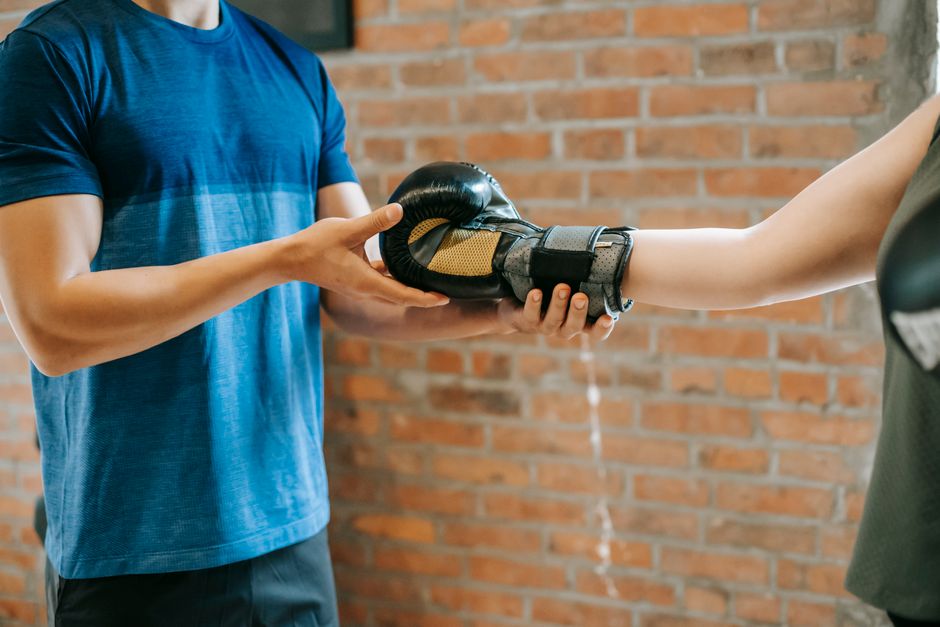
Putting on gloves with sweaty hands comes down to managing moisture before the glove ever touches your skin. Dry your hands completely, apply a thin layer of powder or a moisture-wicking liner, and roll the glove on with a smooth, steady motion instead of yanking at the fingers. The goal is to reduce friction and trapped sweat so the glove slides on without bunching, tearing, or leaving your hands soaked for hours.
This is a real problem for healthcare workers, food handlers, lab technicians, and anyone who wears gloves for long stretches. Sweat builds up fast inside a non-breathing material, and once your hands are wet, even a correctly sized glove becomes stubborn. The fixes below are simple, and most of them use things you already have.
Why Do Sweaty Hands Make Gloves So Hard to Put On?
Wet skin and rubber or nitrile do not slide against each other well. Sweat creates surface tension and friction that makes the glove stick to your palm and fingers as you pull it on. Instead of gliding over your hand, the material grabs and rolls.
There is a second problem most people do not think about. When you force a glove onto a damp hand, you trap that moisture inside. The glove does not breathe, so sweat has nowhere to go. Over a work shift, that trapped moisture softens the skin, which can lead to irritation, and it makes the inside of the glove slippery in a way that reduces your grip.
Hand anatomy plays a role too. Your palms and fingers have a high density of sweat glands — higher than most other parts of the body. That means hands get wet quickly, especially under stress, in warm rooms, or during physical work. A person who sweats heavily may produce enough moisture within minutes to make glove application difficult.
How To Put On Gloves With Sweaty Hands: Tips That Work
The most reliable approach is to start with dry hands and reduce friction at every step. Here is what actually helps.
- Wash and dry thoroughly. Wash with soap and water, then dry every finger, the web spaces between them, and the palm. Any leftover dampness works against you.
- Cool your hands first. Run cool water over your wrists or hold something cold for a moment. Cooler skin sweats less in the short term, which buys you a few seconds of dry time.
- Use a light dusting of powder. A small amount of cornstarch-based powder on dry hands reduces friction. Do not overdo it — too much creates clumps.
- Try a glove liner. Thin cotton or moisture-wicking liners absorb sweat and let the glove slide over the liner instead of your skin.
- Roll, do not pull. Hold the glove at the cuff and roll it up over your hand in one smooth motion. Grabbing the fingertips and tugging stretches the material and makes it catch.
- Check the size. A glove that is too tight is harder to get on and traps more heat. A glove that is too loose lets sweat pool and reduces grip.
The order matters. Drying comes first because powder or a liner applied to wet skin just turns into paste. Cool your hands before powder for the same reason.
Does Powder Really Help, and Is It Safe?
Powder reduces friction, and that part is well established. It absorbs a small amount of surface moisture and lets the glove slide over the skin. The question of safety is more complicated, and it depends on where you work.
Powdered surgical and exam gloves were largely phased out in healthcare settings. The concern was not the powder itself acting on the wearer, but that powder particles could carry latex proteins into the air and trigger reactions in people with latex allergy. Many hospitals moved to powder-free gloves for this reason.
That does not mean powder on your hands before putting on a glove is dangerous for everyone. For general tasks, a light dusting of cornstarch is a common and low-risk workaround. In a clinical or sterile setting, though, follow your facility’s policy — some workplaces prohibit powder because it can contaminate a sterile field. If you are not sure, ask. The rules differ by setting, and this is one area where local policy overrides general advice.





What If Your Hands Sweat Constantly?
Some people sweat far more than average, and no amount of drying seems to last. This pattern has a name: hyperhidrosis, a condition where sweating exceeds what the body needs for temperature control. It commonly affects the palms.
If your hands are damp most of the day, not just when you wear gloves, that is worth mentioning to a doctor. There are established treatments for palmar hyperhidrosis, including prescription antiperspirants, and a clinician can help you figure out whether you have the condition or simply sweat more in certain situations. This article is not a substitute for that conversation.
For everyday glove use, people with heavy sweating often find that a liner plus a correctly sized glove works better than powder alone. The liner absorbs what powder cannot, and it keeps the glove from sticking to wet skin.
Common Mistakes That Make It Worse
Several habits backfire, and they are easy to fix once you know why.
- Licking your fingers or blowing on your hands. This adds moisture, not removes it. It also introduces bacteria to a surface that may need to stay clean.
- Stretching the glove at the fingertips. This thins the material and increases the chance of a tear, which defeats the purpose of wearing gloves.
- Reusing a glove that is already damp inside. Once a glove is wet inside, it is harder to put back on and offers less grip.
- Ignoring the cuff. Leaving the cuff rolled down traps heat at the wrist. Pull it up so air can move and sweat has less chance to pool.
- Wearing the same size out of habit. Hand size changes with weight and temperature. A size that worked last year may not fit now.
One detail people miss: washing your hands right before gloving can work against you if you do not dry completely. The web spaces between fingers hold water, and that is often where the glove catches first.
Choosing the Right Glove for Sweaty Hands
The material matters as much as the technique. Different gloves handle moisture differently, and no single type is best for every situation.
| Glove type | Breathability | Notes for sweaty hands |
|---|---|---|
| Latex | Low | Stretchy and easy to roll on, but traps sweat. Not an option for people with latex allergy. |
| Nitrile | Low | Common in healthcare and food work. Durable, but less stretchy, so fit matters more. |
| Vinyl | Low | Looser fit and less durable. Can be easier to slide on but offers less grip when wet. |
| Cotton liner + outer glove | Moderate | Liner absorbs sweat and reduces sticking. A practical option for long wear. |
None of these materials breathe well on their own. That is the nature of a protective glove — it has to block what is outside, and that same barrier keeps sweat inside. The liner approach is the most practical way to manage moisture without giving up protection.
If your task allows it, take short breaks to remove gloves, dry your hands, and let the skin air out. This reduces irritation over a long shift. In settings where gloves must stay on continuously, that may not be possible, and a liner becomes more important.
Frequently Asked Questions
How do you put on gloves when your hands are sweaty?
Dry your hands completely, then apply a thin layer of cornstarch powder or a moisture-wicking liner before rolling the glove on. Roll the glove up from the cuff in one smooth motion rather than pulling at the fingers.
Does powder help with sweaty hands under gloves?
Yes, a light dusting reduces friction and helps the glove slide on. In clinical or sterile settings, follow your workplace policy, since some facilities prohibit powder.
What can I do if my hands sweat constantly, even without gloves?
Constant hand sweating may be a sign of hyperhidrosis, a condition where sweating exceeds what the body needs for cooling. Talk to a doctor, since established treatments exist and a clinician can confirm whether you have it.
Are there gloves that are better for sweaty hands?
No glove material breathes well, so the biggest difference comes from fit and using a cotton liner underneath. A liner absorbs sweat and keeps the outer glove from sticking to wet skin.
