
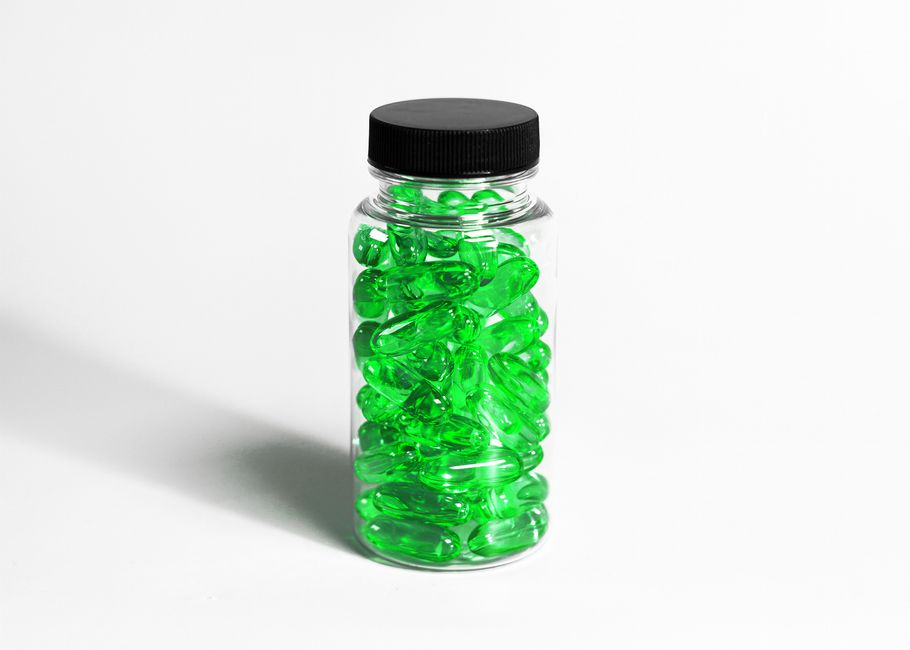
Boric acid suppositories are used mainly for one thing: treating vaginal infections, especially those caused by yeast. They work because boric acid is weakly acidic and has mild antifungal and antibacterial properties. When placed in the vagina, it changes the local environment and helps stop some organisms from growing. The vagina is naturally acidic, usually around pH 3.8 to 4.5, and boric acid supports that acidity.
That is the short answer. The longer answer is that boric acid is not a first-choice treatment for most vaginal infections. It has a real, evidence-supported role in a narrower situation — yeast infections that have not responded to standard antifungal drugs. Understanding where it helps and where it does not is the difference between using it well and using it blindly.
How Do Boric Acid Suppositories Work For Infections?
Boric acid is a weak acid. In the vagina, it does not kill everything. It creates conditions that many infection-causing organisms tolerate poorly.
The mechanism has two main parts. First, boric acid lowers the local pH, making the environment more acidic. Second, it has direct antifungal and antibacterial activity. Laboratory studies show it interferes with the cell walls and metabolism of several organisms, including Candida species. That is why it can help when a yeast infection is stubborn.
What it is not is a broad antibiotic. It does not treat every infection. It does not replace prescription antifungals for a first yeast infection. And it does not work against all organisms equally.
The vagina normally maintains its own acidity through Lactobacillus bacteria, which produce lactic acid. Boric acid supplements that acidity from the outside. This is why it is sometimes described as restoring the vaginal environment — but that description is loose. It changes the environment. Whether that change is helpful depends on what is causing the problem.
What Conditions Do Boric Acid Suppositories Actually Treat?
The strongest evidence is for recurrent or treatment-resistant vaginal yeast infections caused by Candida. Some studies suggest boric acid can help clear infections that have not responded to standard azole antifungals, such as fluconazole.
This is the key point. Boric acid is generally considered a second-line option, not a first-line one. First-line treatment for a routine yeast infection is usually a topical azole or oral fluconazole. Boric acid enters the picture when those fail or when the infection keeps coming back.
Boric acid is also sometimes used for bacterial vaginosis, but the evidence here is weaker. Bacterial vaginosis is caused by an overgrowth of certain bacteria and a loss of Lactobacillus. Standard treatment is antibiotics such as metronidazole or clindamycin. Some clinicians add boric acid to a treatment plan for recurrent bacterial vaginosis, but this is not strongly established by large trials.
For trichomoniasis — a parasitic infection — boric acid is not an appropriate treatment. That condition requires prescription antiparasitic medication.
Is Boric Acid a Proven Treatment or an Alternative Remedy?
Boric acid has real evidence behind it for specific uses. It is not a folk remedy with no data. But the evidence is narrower than the internet often suggests.
Research published in journals covering infectious disease and women’s health has examined boric acid for recurrent vulvovaginal candidiasis, particularly azole-resistant cases. These studies generally show benefit when boric acid is used alongside or after antifungal treatment. The studies tend to be small, and the quality varies.
What the evidence does not support is boric acid as a general-purpose vaginal cure-all. No large trials confirm it treats every infection, prevents all recurrence, or works as well as prescription medication for a first episode.
There is also a regulatory point worth knowing. In the United States, boric acid suppositories are sold as dietary supplements or personal care products, not as FDA-approved drugs. That means they are not reviewed for safety, effectiveness, or manufacturing quality the way prescription medications are. The dose in a capsule can vary between brands.





How Are Boric Acid Suppositories Used?
Boric acid suppositories are placed directly in the vagina, usually at bedtime. A common clinical approach is a 600 mg capsule inserted once daily. This dose appears in medical literature and in clinical practice for recurrent yeast infections.
Treatment is often combined with an antifungal. A typical approach pairs boric acid with a prescription azole, either at the same time or in sequence. The exact plan depends on the infection and the clinician’s judgment. No single schedule fits everyone.
Do not swallow boric acid suppositories. They are for vaginal use only. Boric acid is toxic when ingested.
Do not use boric acid during pregnancy. It is not considered safe in pregnancy, and ingestion or absorption concerns make it a clear avoid. If you are pregnant or may be pregnant, talk to a clinician before using any vaginal product.
Do not use it on broken skin or if you have open sores. And do not use it longer than a clinician advises. Long-term use without guidance is not well studied.
What Are the Risks and Side Effects?
The most common side effect is vaginal irritation or a burning sensation. Some people also notice watery discharge. These effects are usually mild but can be uncomfortable enough to stop treatment.
Serious harm from vaginal boric acid use is uncommon when it is used as directed. The bigger danger comes from misuse. Swallowing boric acid can cause nausea, vomiting, and in serious cases organ damage. Keep it away from children and pets.
There is another risk worth naming. Using boric acid for the wrong condition can delay the right treatment. If the infection is not yeast, boric acid may not help, and the real problem keeps going. Symptoms that do not improve, or that get worse, need medical attention.
Some people should not use boric acid at all:
- Anyone who is pregnant or breastfeeding
- Anyone with open sores or broken skin in the vaginal area
- Anyone who has not had the infection properly diagnosed
- Anyone using it for a condition other than the ones it is studied for
When Should You See a Doctor Instead?
Vaginal symptoms have many causes. Yeast, bacteria, parasites, irritation, and other conditions can all look similar. Boric acid only helps some of them.
See a clinician if this is your first time having these symptoms. See one if symptoms do not improve after treatment, if they get worse, if you have pelvic pain or fever, or if you have unusual bleeding or discharge. These signs can point to something that needs a different approach.
Self-treating with boric acid before a diagnosis is a common mistake. It can mask symptoms or make the real cause harder to identify. A simple exam and test can tell you what you are actually dealing with.
One clarification that gets lost online: boric acid is not the same as boron, and it is not a mineral supplement. It is a specific chemical compound, and it is not meant to be taken by mouth in this context.
Frequently Asked Questions
How long does it take for boric acid suppositories to work?
Some people notice improvement within a few days, but full clearing of a stubborn infection can take longer. The exact timeline depends on the infection and whether boric acid is combined with an antifungal.
Can I use boric acid suppositories for a first yeast infection?
Boric acid is generally not the first choice for a routine yeast infection. Standard antifungal treatment is usually tried first, and boric acid is often reserved for infections that do not respond.
Is it safe to use boric acid suppositories while pregnant?
No. Boric acid is not considered safe during pregnancy and should be avoided. Talk to a clinician about safe treatment options if you are pregnant.
Can boric acid suppositories treat bacterial vaginosis?
The evidence for bacterial vaginosis is weaker than for yeast infections. Antibiotics are the standard treatment, and some clinicians add boric acid only in recurrent cases.
