
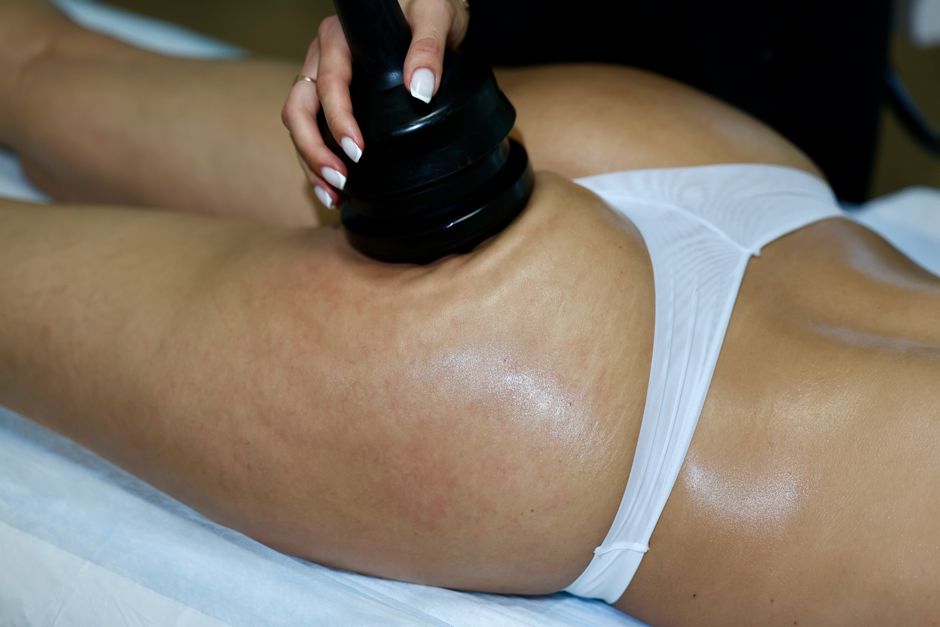
CoolSculpting is a brand name for a procedure called cryolipolysis. It freezes fat cells under the skin in the hope that they die and are cleared away by the body. The question is simple: does it actually work? The short answer is yes, but in a narrow, modest way. It can reduce a small pocket of fat in a treated area. It is not a weight-loss method, and the change is usually subtle.
That gap between what the procedure does and what many people expect it to do is where most disappointment comes from. Let’s look at what the research actually shows, what it does not show, and who tends to get results.
What Is CoolSculpting and How Does It Work?
Cryolipolysis is the medical term. The idea behind it is that fat cells are more sensitive to cold than the skin, muscles, and nerves around them. A device is placed against the skin and pulls the tissue into a cup. The cup cools that pocket of tissue to a temperature that injures fat cells while leaving other tissue intact.
The cooling triggers a process called apoptosis, which is programmed cell death. The injured fat cells break down over the following weeks. Immune cells then clear the debris. The fat is not “melted” or “burned” on the spot. It is damaged, and the body removes it gradually.
This is the part that is well established. The mechanism is real, and it has been studied in both animal and human research. What is less straightforward is how much fat a single session removes and how predictable that result is from person to person.
One detail worth knowing: the number of fat cells in an area can drop after treatment. Unlike fat cell size, which shrinks and grows with weight changes, fat cell number in adults is relatively stable. That is part of why results can last if weight stays steady. It is also why the effect is limited to the treated spot.
Does Cool Sculpting Work for Fat Reduction?
Yes, for a specific and limited purpose. Cryolipolysis can reduce a small amount of fat in a treated area. It was cleared by the U.S. Food and Drug Administration in 2010 for reducing fat in specific areas, and that clearance was based on clinical data, not marketing.
The key word is “small.” This is not a method for losing a significant amount of weight. It is designed for stubborn pockets that resist diet and exercise. Think of a modest bulge under the chin, on the flanks, or on the lower abdomen.
Some studies suggest an average fat reduction in the range of about 10 to 25 percent in the treated area after a single session. That range comes from manufacturer and clinical studies, and results vary widely between people. A 25 percent reduction in a small pocket is often hard to see. A 10 percent reduction may be nearly invisible.
Here is the non-obvious part. The fat layer in the treated area can be reduced, but the body does not lose that fat from anywhere else. If you gain weight afterward, the remaining fat cells in the treated area and elsewhere can enlarge. The treated spot may still look flatter than it would have, but the procedure does not protect against future weight gain.
How Much Fat Can CoolSculpting Remove?
Most people need more than one session to see a noticeable change. A single treatment typically removes a modest fraction of the fat in one small area. Many providers recommend a series of sessions, and each session is usually spaced weeks apart.
Results build over time. The body clears the damaged fat cells gradually, so the full effect of a session is generally not visible for a few months. Some people notice a change earlier, and some notice very little at all.
What the procedure cannot do is remove a large volume of fat. It is not comparable to liposuction, which physically removes fat and can take out much more in one procedure. Cryolipolysis works on the surface fat layer it can reach, not on deeper fat.
A reasonable way to think about it: this is a contouring tool, not a fat-removal tool. It nudges a small area. It does not reshape a body.





What Does the Research Actually Show?
The research on cryolipolysis is real but limited in scope. Most studies are relatively small, often industry-funded, and focused on short-term results. That does not make them invalid, but it does mean the evidence base is not as deep as it is for some other procedures.
What the studies generally support:
- A measurable reduction in fat thickness in treated areas, confirmed by imaging in some studies.
- Results that appear to hold for months to a few years in people whose weight stays stable.
- A side effect profile that is usually mild and temporary.
What the studies do not strongly support:
- Large or dramatic fat reduction from a single session.
- Predictable results across all body types and areas.
- Any effect on overall weight, metabolic health, or fat stored elsewhere.
Some research also points to a rare complication called paradoxical adipose hyperplasia. In this reaction, the treated area grows larger instead of smaller. It is uncommon, but it is documented and worth knowing about before treatment. Providers should be able to explain how they handle it.
Who Is a Good Candidate and Who Is Not?
The people who tend to get the most from cryolipolysis are close to their goal weight and have a small, firm pocket of fat that has not responded to diet and exercise. The skin over the area usually needs to be reasonably firm. Loose skin does not tighten with this procedure.
People who are less likely to be satisfied include those looking to lose a significant amount of weight, those with a large volume of fat in the area, and those with certain skin or circulation conditions. Cryolipolysis is not a treatment for obesity, and it is not a substitute for weight management.
It is also not a skin-tightening procedure. Some people expect the area to look firmer after fat is reduced. The fat layer thins, but the skin does not necessarily contract to match. This matters most for older adults or anyone with reduced skin elasticity.
Anyone considering it should have a real conversation with a qualified provider about expectations. A provider who promises dramatic results is a warning sign, not a selling point.
What Are the Risks and Side Effects?
Common side effects are usually temporary. They include redness, numbness, firmness, mild pain, and a temporary change in skin sensation in the treated area. These typically ease over days to weeks.
Less common effects include a longer-lasting change in sensation, bruising, and uneven contours. The most serious known complication is paradoxical adipose hyperplasia, where the treated area enlarges rather than shrinks. This appears to be rare, but it is real and has been reported in the medical literature.
There is no evidence that cryolipolysis damages the liver, raises cholesterol, or harms internal organs. The cooling is confined to the fat layer the device can reach. That said, anyone with a cold-related condition, such as cryoglobulinemia or cold urticaria, should not have this procedure, because cold exposure can trigger serious reactions in those conditions.
As with any procedure, the skill and judgment of the provider matter. Choosing a qualified, experienced clinician is not a minor detail.
How Does It Compare to Other Fat Reduction Options?
Cryolipolysis sits in the middle of a range of options. It is less invasive than liposuction and requires no surgery or anesthesia. It is also less powerful than liposuction, which removes far more fat in one session.
Other non-surgical fat reduction methods use different energy sources, such as heat, ultrasound, or lasers. They aim for a similar goal: reduce a small pocket of fat without surgery. There is no strong evidence that any one of these methods is clearly superior to the others across the board. Results depend heavily on the area treated, the device, the provider, and the person.
What none of these methods do is replace the fundamentals. Diet quality, physical activity, and sleep still drive most of the change in body composition. A contouring procedure can refine a specific spot. It cannot do the job that daily habits do.
Frequently Asked Questions
Does CoolSculpting really work?
It can reduce a small pocket of fat in a treated area, and this effect is supported by clinical research. It is not a weight-loss method, and results are usually modest.
How much fat does CoolSculpting remove in one session?
Some studies suggest roughly 10 to 25 percent fat reduction in the treated area after a single session, though results vary widely between people. Many people need multiple sessions to see a noticeable change.
Is CoolSculpting permanent?
The fat cells destroyed in the treated area do not grow back, so results can last if your weight stays stable. Weight gain afterward can enlarge the remaining fat cells and change the result.
Is CoolSculpting safe?
Common side effects are usually mild and temporary, such as redness, numbness, and firmness. A rare complication called paradoxical adipose hyperplasia can cause the treated area to enlarge instead of shrink.
