
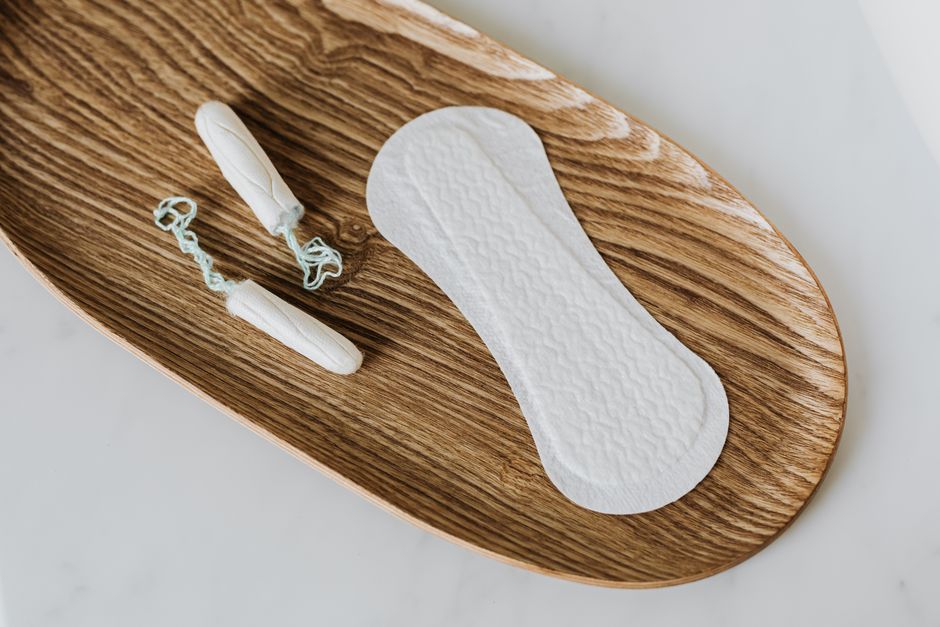
Putting on a tampon is a skill, not an instinct, and most people learn it by trial and error. You insert an applicator or a digital tampon into the vagina at a slight angle toward your lower back, push it in far enough that it sits past the vaginal opening, and leave the string outside your body. If it feels uncomfortable, it is usually not in far enough or not angled correctly, and both problems are easy to fix.
That is the whole process. The rest is positioning, relaxation, and knowing when something feels wrong. This guide covers the practical steps, the most common mistakes, and the safety information everyone using tampons should know.
How To Put On A Tampon Step By Step
Start with clean hands. Wash them with soap and water, then dry them. This matters because you are about to place something inside a moist, warm environment where bacteria grow easily.
Get into a comfortable position. Sitting on the toilet with your knees apart works well. So does standing with one foot on the toilet seat or the edge of the bathtub. Squatting also works. There is no single correct position — pick the one where your muscles feel relaxed.
Relax your pelvic muscles. This is the part people underestimate. If you are tense, the vaginal muscles tighten and insertion becomes difficult or painful. Take a slow breath and let your shoulders drop.
Find the vaginal opening. It sits between the urethra (where urine comes out) and the anus. If you are unsure, use a hand mirror or your fingers to locate it. The vagina is a muscular canal, not a single hole in a flat surface — it has some give and it angles backward, not straight up.
For an applicator tampon:
- Hold the applicator by the outer tube, with the string hanging down.
- Place the rounded tip at the vaginal opening.
- Angle it toward your lower back, roughly 45 degrees from vertical.
- Push the outer tube gently inward until your fingers touch your body.
- Push the inner tube fully into the outer tube. This releases the tampon into place.
- Remove both tubes together. The string stays outside.
For a digital tampon with no applicator, use your index finger to push the tampon into the vagina, aiming toward your lower back, until it sits comfortably past the opening. Some people find applicators easier at first. Others prefer digital tampons once they are used to the process.
The tampon should sit far enough in that you cannot feel it. If you feel it, it is not in far enough. Push it a little deeper or remove it and try again with a fresh one.
Why Does Inserting A Tampon Hurt?
Pain during insertion almost always has a mechanical cause, not a medical one. The most common reason is not pushing the tampon in far enough. The lower part of the vagina is more sensitive than the upper part, so a tampon sitting near the opening will feel noticeable or uncomfortable. Pushing it deeper usually solves this.
The second common cause is angle. The vagina tilts backward toward the tailbone. If you push straight up, you press against the vaginal wall instead of following the canal. Adjusting the angle toward your lower back often makes insertion easier.
Muscle tension is the third cause. If you are nervous or rushing, the pelvic floor muscles tighten and narrow the opening. Slow breathing and a relaxed position help.
A small amount of spotting or light discomfort the first few times is common. Sharp pain is not. If insertion consistently hurts, stop and talk to a healthcare provider. Conditions like vaginismus, where the pelvic floor muscles involuntarily tighten, can make insertion painful or impossible. That is a treatable medical issue, not a personal failing.
How Do You Know If A Tampon Is In Correctly?
You should not be able to feel it. A correctly placed tampon sits in the upper part of the vagina, where there are fewer nerve endings. If you feel pressure, fullness, or a constant awareness that something is there, it is probably sitting too low.
The string should hang outside your body. You should be able to reach it easily when you need to remove the tampon. If the string disappears inside, do not panic. It is usually reachable with clean fingers, and if it is not, a healthcare provider can remove it. A tampon cannot get lost inside the body — the cervix blocks the top of the vaginal canal.
You should also be able to move, sit, walk, and use the bathroom normally. If the tampon interferes with any of that, it needs adjusting.





How Often Should You Change A Tampon?
Change your tampon every 4 to 8 hours. This is standard guidance from medical and regulatory sources, and it exists for a specific safety reason explained below.
Use the lowest absorbency that controls your flow. Tampons come in absorbency ratings from light to ultra. Choosing a higher absorbency than you need, or leaving one in longer than recommended, increases risk. If a regular tampon is soaked within a couple of hours, move up an absorbency. If you are removing tampons that are still mostly dry, move down.
Never leave a tampon in for more than 8 hours. Do not wear one overnight if that means it stays in longer than 8 hours. Many people wear a pad overnight instead, or put in a fresh tampon right before bed and change it first thing in the morning if that fits within the 8-hour window.
Always remove the old tampon before inserting a new one. Forgetting to remove one and inserting another is more common than people admit. If you cannot remember whether you removed it, check with a clean finger before inserting anything.
What Is Toxic Shock Syndrome And Who Is At Risk?
Toxic shock syndrome, or TSS, is a rare but serious illness caused by bacterial toxins, often from Staphylococcus aureus or group A Streptococcus. It can affect anyone, including men and children, but it has been linked specifically to tampon use.
The link became clear in the early 1980s, when an outbreak was tied to a specific ultra-absorbent tampon design that has since been taken off the market. Research published in medical journals at the time established the connection, and tampon manufacturing standards changed as a result. Modern tampons carry a much lower risk, but the risk is not zero.
Risk factors include:
- Leaving a tampon in longer than 8 hours
- Using high-absorbency tampons when a lower absorbency would work
- Using tampons continuously through your whole period without pads
- Having had TSS before, which raises the risk of recurrence
- Having a wound or recent surgery, which can allow bacteria to enter
Warning signs of TSS include sudden high fever, vomiting, diarrhea, a sunburn-like rash, muscle aches, dizziness, and confusion. These symptoms can worsen quickly. If they appear while you are wearing a tampon, remove it and seek emergency medical care immediately. TSS is treatable when caught early, and it can become life-threatening if it is not.
The evidence on TSS and tampon absorbency is well established. The evidence on whether specific tampon materials, such as rayon blends versus 100% cotton, affect risk is much weaker. No large human trials have confirmed that one material is safer than another. The absorbency and wear time are what matter most.
Common Mistakes And Practical Tips
Most problems with tampons come down to a handful of fixable mistakes. Here is what tends to go wrong and what to do instead.
Not relaxing. Tension is the biggest barrier for first-time users. Take a breath, slow down, and try a different position if the first one does not work.
Using the wrong absorbency. Many people start with regular when a light or junior absorbency would be more comfortable and safer. Match the tampon to your flow, not to what you think you should use.
Forgetting to change it. Set a reminder on your phone if you tend to lose track. Four to eight hours is the window.
Wearing tampons for the entire period. Alternating with pads, especially overnight or on lighter days, reduces the total time a tampon is in place.
Ignoring discomfort. A tampon that hurts is a tampon that needs adjusting or removing. Pain is information, not something to push through.
One more practical point: if you are new to tampons, practice when your flow is moderate rather than very light. A light flow can make insertion feel drier and more difficult. A small amount of water-based lubricant on the tip of the applicator can help, and it will not harm the tampon.
If you have tried several times and it still is not working, that is normal. It can take a few cycles to get comfortable. If it never gets easier, or if insertion is painful, talk to a healthcare provider. There are medical reasons this can happen, and they are treatable.
Frequently Asked Questions
How far should a tampon go in?
Push it in until you can no longer feel it, which usually means past the vaginal opening into the upper canal. If you feel pressure or awareness of it, it is not in far enough.
Can a tampon get lost inside you?
No. The cervix blocks the top of the vaginal canal, so a tampon cannot travel into the body. If the string is not reachable, a healthcare provider can remove it.
What happens if you leave a tampon in too long?
Leaving a tampon in longer than 8 hours raises the risk of toxic shock syndrome, a rare but serious bacterial illness. Change tampons every 4 to 8 hours and use the lowest absorbency that works for your flow.
Can you pee with a tampon in?
Yes. The tampon sits in the vagina and does not block the urethra, so you can urinate normally. If the string gets wet, you can tuck it aside or replace the tampon.
