
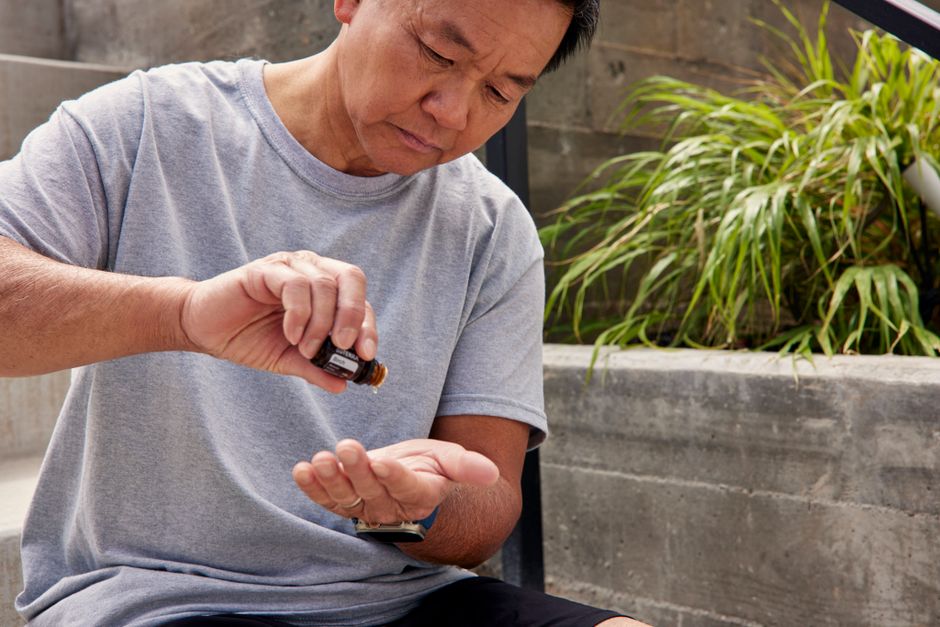
Putting eye drops in sounds simple, but most people miss the drop on the first try. The key is to tilt your head back, pull down your lower eyelid to create a small pocket, and let the drop fall into that pocket without touching your eye. Close your eye gently for one to two minutes afterward so the medicine can absorb. This step-by-step guide walks you through the technique and explains common mistakes to avoid.
How To Put Eye Drops In? Step by Step
Start by washing your hands thoroughly with soap and water. Dry them with a clean towel. Shake the bottle if the label tells you to. Some suspensions need shaking, but many solutions do not. Check the label first.
Remove the cap and place it on a clean surface. Do not touch the tip of the bottle to anything, including your fingers, eyelashes, or the surface of your eye. Contamination can cause infection.
Tilt your head back and look up toward the ceiling. Use one hand to gently pull your lower eyelid down and away from your eye. This creates a small pocket between your eyelid and your eyeball. Hold the bottle in your other hand, with the tip pointing down toward that pocket.
Rest the hand holding the bottle against your forehead or nose. This steadies your hand and prevents sudden movement. Squeeze one drop into the pocket. Do not blink immediately. Release your eyelid and close your eyes gently for one to two minutes.
Press lightly on the inner corner of your eye, near your nose, with a clean finger. This closes the tear duct and keeps the medicine in your eye longer. Wipe away any excess liquid from your cheek with a clean tissue.
If you need more than one drop, wait at least five minutes between drops. This gives the first drop time to absorb. If you use more than one eye medication, wait five to ten minutes between different medications unless your doctor says otherwise.
What Is the Best Position for Applying Eye Drops?
Lying down is the most reliable position for many people. Lie flat on your back or sit in a reclined chair. Tilt your head back as far as comfortable. Gravity does most of the work when you are lying down, so the drop lands where it should.
Sitting upright works too, but it requires more precision. Tilt your head back fully and look up. The pocket formed by pulling down your lower eyelid is the target. The drop should fall into that pocket, not directly onto the center of your eye.
Some people find it easier to use a mirror. Stand in front of a mirror, tilt your head back, and watch your hand position. The mirror helps you see the bottle tip relative to your eye without touching it.
If your hands shake, brace them. Rest the heel of your hand against your cheekbone or forehead. This creates a stable base and reduces the chance of the bottle tip striking your eye.
How Do You Keep the Bottle Clean and Safe?
The tip of the bottle must never touch your eye, eyelashes, or fingers. Once the tip touches any surface, bacteria can enter the bottle. Contaminated eye drops can cause infections that range from mild irritation to serious corneal ulcers.
Replace the cap immediately after each use. Do not leave the bottle open while you finish other tasks. Keep the bottle stored according to the label instructions. Some drops require refrigeration. Others must stay at room temperature.
Check the expiration date before every use. Most eye drops are safe for about four weeks after opening, but this varies by product. The label states the discard date. If you are unsure, ask your pharmacist.
Do not share eye drops with anyone else. Sharing spreads bacteria and viruses between people. This is especially important for conditions like pink eye, which is highly contagious.





What If You Cannot Get the Drop Into Your Eye?
Many people struggle with the standard technique. If you keep missing, try the closed-eye method. Lie down and close your eye. Place a single drop in the inner corner of your closed eye, near your nose. Open your eye slowly. The drop rolls into the eye as the lids separate.
This method works well for people with a strong blink reflex or a fear of things approaching their eye. It is also useful for parents giving drops to young children.
Another option is to have someone else administer the drops. The person giving the drops should wash their hands first and follow the same technique. Having a second person often makes the process easier, especially for older adults with limited mobility.
If you still cannot get the drops in after several attempts, contact your pharmacist or eye care professional. Some pharmacies offer demonstration devices or practice bottles. Do not force the issue and risk injuring your eye.
How Do You Put Eye Drops In With Contact Lenses?
Most eye drops are not meant to be used while wearing contact lenses. Check the label. Some drops are specifically formulated for contact lens wearers and can be applied with lenses in place. Most medicated drops require you to remove your lenses first.
If you need to remove your lenses, wash your hands before handling them. Apply the drops as described above. Wait at least 15 minutes before reinserting your lenses. This allows the medication to absorb and prevents the lenses from absorbing the drug.
Preservatives in some eye drops can build up in soft contact lenses. This can cause irritation and discoloration. Follow your eye care professional’s instructions about when it is safe to reinsert your lenses.
Lubricating drops labeled “preservative-free” are generally safe for contact lens wearers. Single-use vials are the safest option because they contain no preservatives and are discarded after one use.
What Mistakes Should You Avoid?
Do not touch the dropper tip to your eye. This is the most common mistake and the most dangerous one. The tip carries bacteria from your eye back into the bottle, contaminating the entire contents.
Do not blink immediately after the drop lands. Blinking pushes the drop out of the eye before it absorbs. Keep your eyes closed for one to two minutes instead.
Do not use drops that have changed color or contain particles. This may indicate contamination or degradation. Discard the bottle and get a fresh one.
Do not use someone else’s drops. Even family members can share bacteria and viruses. Eye infections spread easily this way.
Do not stop using prescribed eye drops early because your symptoms improve. Many conditions, such as glaucoma and certain infections, require the full course of treatment. Stopping early can allow the condition to return or worsen.
How Do You Store Eye Drops Properly?
Read the storage instructions on the label. Some drops need refrigeration. Others must be kept away from heat and light. Bathroom medicine cabinets are often too warm and humid for proper storage.
Keep the bottle upright when storing. This prevents the tip from leaking and keeps the medication from pooling in the cap. A cool, dry place away from direct sunlight is ideal for most products.
Discard eye drops after the recommended period, even if liquid remains. Preservatives lose effectiveness over time. Using old drops increases the risk of contamination and infection.
If you are unsure how long to keep a bottle, ask your pharmacist. The discard date is usually written on the bottle or box. When in doubt, throw it out.
Frequently Asked Questions
How do I stop my eye drops from missing my eye?
Tilt your head back, pull down your lower eyelid to create a pocket, and look up before squeezing the drop. Resting the bottle hand against your forehead also steadies your aim.
Can I put eye drops in with my eyes closed?
Yes, lie down, close your eye, and place one drop in the inner corner near your nose, then open your eye slowly. This method works well for people who flinch when something approaches their eye.
How long should I keep my eyes closed after eye drops?
Keep your eyes closed for one to two minutes after applying the drop. Pressing gently on the inner corner of the eye near the nose during this time helps the medicine absorb.
How long should I wait between different eye drops?
Wait at least five minutes between different eye medications unless your doctor instructs otherwise. This prevents the second drop from washing out the first one.
