
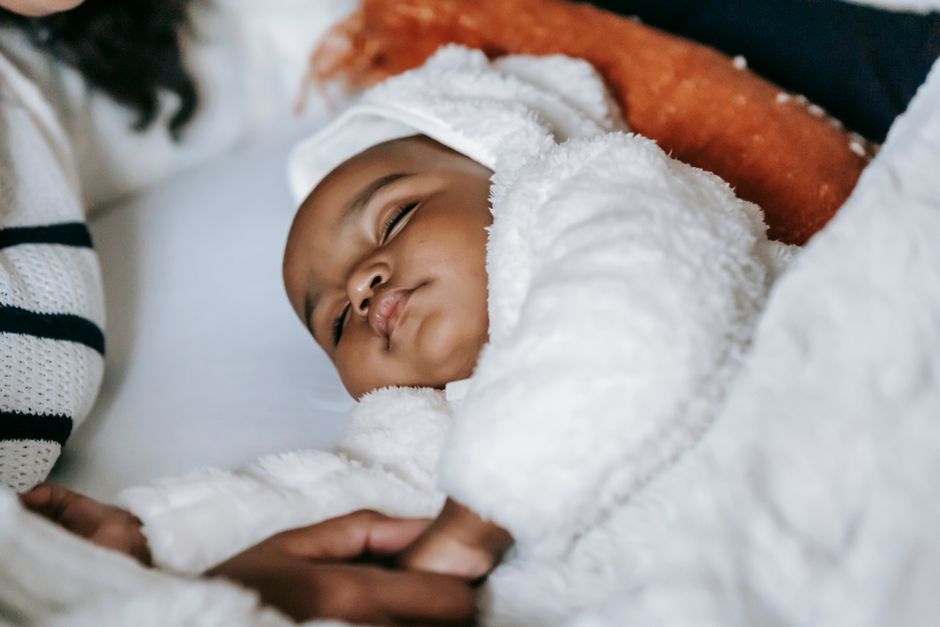
Putting a baby to sleep is one of the hardest parts of early parenting. The good news is that most sleep struggles are not your fault. Babies are not born knowing how to fall asleep on their own. They learn it, just like they learn to roll over or babble. Your job is to create the right conditions and give them the space to practice.
There is no single trick that works for every baby. But there are well-established methods and routines that help most families. The most effective approach combines a consistent routine, the right sleep environment, and a clear understanding of how baby sleep cycles actually work.
What Is the Best Way To Put a Baby To Sleep?
The best way depends on your baby’s age and temperament. But the foundation is always the same: a calm, predictable bedtime routine.
A routine works because it signals to your baby that sleep is coming. It does not need to be complicated. A warm bath, a feed, a book, and a lullaby can be enough. The key is doing the same things in the same order every night.
Research consistently shows that a consistent bedtime routine is linked to falling asleep faster and waking less during the night. The routine itself becomes a cue. Your baby learns that after bath time comes sleep time, just like you learn that brushing your teeth signals bedtime for you.
Timing matters too. Most babies do best with a bedtime between 6:30 and 8:00 pm. That may feel early, but it matches their natural biological rhythms. Putting a baby to bed too late often backfires. An overtired baby produces more cortisol, the stress hormone, which makes falling asleep harder.
How Do I Put My Baby To Sleep Without Crying?
This is the most common question new parents ask. The honest answer is that some fussing is normal, but full-blown crying is not required for sleep training.
There are several gentle methods that involve staying with your baby the whole time. One is called the “chair method” or “camping out.” You sit in a chair next to the crib and gradually move it farther away over a period of weeks. You can offer a pat or a soothing voice, but you do not pick the baby up.
Another approach is “fading,” where you slowly reduce your presence and help over time. For example, you might rock your baby until they are almost asleep, then put them down. The next night you rock them a little less. Over a week or two, they learn to fall asleep with less help from you.
The evidence on sleep training methods is reassuring. Studies have found that both gradual methods and “cry it out” approaches improve sleep. The differences in long-term outcomes are small. No method has been shown to cause emotional harm to babies when done consistently and with parental warmth.
The most important factor is consistency. Switching methods every few nights teaches your baby that crying longer eventually brings a response. Pick one approach and stick with it for at least two weeks before deciding it does not work.
When Should I Start Sleep Training My Baby?
Pediatric guidance generally recommends waiting until a baby is around 4 to 6 months old. By this age, most babies can sleep for longer stretches without needing to eat.
Before 4 months, babies wake frequently because their sleep cycles are short and they need regular feeds. Trying to sleep train a 2-month-old is not developmentally appropriate. Their brains are not ready.
At 4 to 6 months, something important changes. Babies begin to link sleep cycles together. They are also developmentally capable of self-soothing, which means putting themselves back to sleep without help. This is the window where most sleep training methods become effective.
That said, every baby is different. Some are ready at 4 months. Others need until 6 or 7 months. If your baby is gaining weight well and your pediatrician has no concerns, you can start whenever you feel ready.





What Sleep Environment Helps Babies Sleep Better?
The sleep environment matters more than most parents realize. Small changes can make a big difference.
Keep the room cool. The American Academy of Pediatrics recommends a room temperature between 68 and 72 degrees Fahrenheit. Overheating is a risk factor for sudden infant death syndrome (SIDS), so dressing your baby in light layers is safer than bundling them up.
Darkness is important. Melatonin, the hormone that regulates sleep, is suppressed by light. Blackout curtains can help, especially during summer months when the sun sets late.
White noise is widely used and can be helpful. It masks household sounds that might wake a sleeping baby. Keep the volume low, no louder than a normal conversation. Some research suggests that very loud white noise machines can be harmful to hearing, so the volume should never be turned up high.
Your baby should always sleep on their back on a firm, flat surface. This is the single most important SIDS prevention measure. Remove pillows, blankets, bumper pads, and stuffed animals from the crib. A fitted sheet is all your baby needs.
How Do I Handle Night Wakings?
Night wakings are normal. Even adults wake briefly between sleep cycles. The difference is that adults put themselves back to sleep without remembering it. Babies often need help.
If your baby wakes and is not hungry, give them a few minutes before rushing in. Many babies fuss for a minute or two and then settle back down on their own. Intervening too quickly can actually teach them to expect help.
When you do go in, keep the interaction boring. No lights, no talking, no playing. A quick pat or a brief shush is enough. The goal is to communicate that nighttime is for sleeping, not for socializing.
If your baby is older than 6 months and still waking several times a night to eat, talk to your pediatrician. Some babies genuinely need the calories. But many are eating out of habit, and gradually reducing nighttime feeds can help everyone sleep better.
What About Naps During the Day?
Daytime sleep affects nighttime sleep. An overtired baby sleeps worse, not better. The old saying “sleep begets sleep” is generally true for babies.
Newborns sleep a lot, often 16 to 17 hours a day in short stretches. By 4 months, most babies take 3 to 4 naps. By 6 to 9 months, they usually drop to 2 naps. By 15 to 18 months, most are down to 1 afternoon nap.
Watch for sleepy cues. Rubbing eyes, yawning, and looking glazed over are signs your baby is ready for a nap. The window can be short, especially for younger babies. Missing it can lead to an overtired, cranky baby who fights sleep.
Short naps are frustrating but common. Many babies under 6 months take naps of only 30 to 45 minutes. This is normal. Longer naps often develop on their own as babies get older.
Is It Okay To Let My Baby Cry It Out?
This is one of the most debated topics in parenting. The evidence is clearer than the online arguments suggest.
“Cry it out” is a broad term. The most studied version is called “unmodified extinction,” where you put the baby down and do not respond until morning. A gentler version is “graduated extinction,” popularized as the Ferber method, where you check in at increasing intervals.
Research has followed children who were sleep trained with these methods. Studies have found no long-term negative effects on emotional development, attachment, or stress levels. Some studies even found that sleep-trained children were less stressed than those who were not.
That does not mean it is easy. Hearing your baby cry is genuinely distressing. If the crying is too much for you, that is a valid reason to choose a gentler method. Your comfort matters because your baby picks up on your stress.
There are some situations where cry-it-out is not appropriate. If your baby is under 4 months old, not gaining weight, or sick, check with your pediatrician first.
Frequently Asked Questions
How long should a bedtime routine take?
Aim for 20 to 30 minutes total. Anything longer can overtire an already sleepy baby.
What time should I put my baby to bed?
Most babies do best with a bedtime between 6:30 and 8:00 pm. Watch for sleep cues and adjust based on your baby’s natural rhythm.
How can I get my baby to sleep without being held?
Try putting your baby down drowsy but awake, then gradually reduce rocking or feeding to sleep over a week or two.
Is it safe to let my baby cry it out?
Research has found no long-term harm from sleep training methods, including cry-it-out, when used after 4 to 6 months with a healthy baby.
