
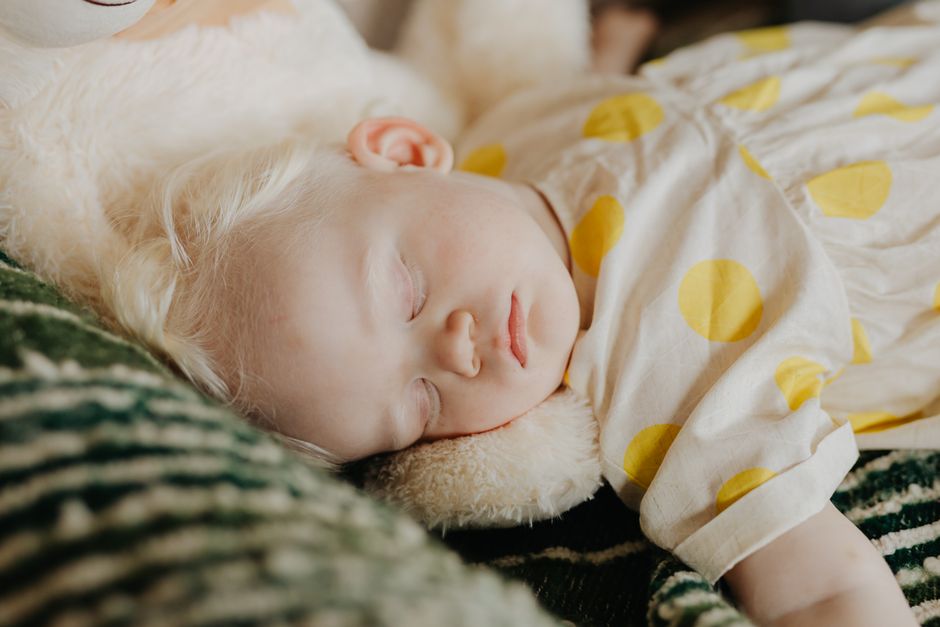
Dressing a baby for sleep comes down to one simple rule: dress them in one more layer than an adult would wear comfortably in the same room. The safest approach is to use a well-fitted sleep sack or onesie, keep the room between 68 and 72 degrees Fahrenheit, and check your baby’s chest or back — not hands or feet — to confirm they are warm but not sweaty. Follow the step-by-step method below to get it right every time.
How To Dress Baby For Sleep: The Basic Formula
The golden rule for baby sleep clothing is layering. A baby cannot regulate their body temperature the way older children and adults can. Their bodies lose heat quickly, but they also overheat easily.
Start with a base layer. In warm months, a simple cotton onesie or short-sleeved bodysuit works well. In cooler months, use a long-sleeved onesie or a two-piece cotton pajama set.
On top of the base layer, add a sleep sack or wearable blanket. Sleep sacks replace loose blankets, which are a known suffocation hazard for infants. They come in different fabric weights, so you can choose one that matches your room temperature.
Do not use loose blankets, pillows, or bumper pads in the crib. The American Academy of Pediatrics recommends a firm, flat sleep surface with nothing else in the crib for at least the first year of life.
What Room Temperature Is Safe For Baby Sleep?
Most pediatric organizations recommend keeping the nursery between 68 and 72 degrees Fahrenheit. This range is comfortable for a lightly dressed baby under a sleep sack.
If the room feels too warm for you in a t-shirt, it is likely too warm for your baby. Overheating is a known risk factor for sudden infant death syndrome (SIDS), so it is better to err on the side of slightly cool rather than warm.
Use a room thermometer to get an accurate reading. Your own comfort is a useful guide, but a thermometer removes guesswork, especially during seasonal changes.
If the room is warmer than 72 degrees, dress your baby in a single light layer. If the room is cooler than 68 degrees, add an extra layer or choose a thicker sleep sack.
How To Check If Baby Is Too Hot Or Too Cold
Feel your baby’s chest or the back of their neck. These areas reflect the body’s core temperature best. If the skin feels warm and dry, your baby is comfortable. If it feels hot or sweaty, remove a layer. If it feels cool, add a layer.
Do not rely on hands or feet as a temperature guide. Babies have immature circulation, and their hands and feet are often cooler than their core. Cold hands alone do not mean your baby is cold.
Check for signs of overheating. Flushed cheeks, rapid breathing, damp hair, or a heat rash on the chest or neck all signal that your baby is too warm.
Check for signs of being too cold. Cool skin on the chest, fussiness, or a baby who curls up tightly can indicate they need another layer.





Step By Step: Dressing Baby For Sleep By Season
Seasonal changes require adjusting the layers, but the basic formula stays the same. Here is how to dress your baby for sleep in each season.
Summer (Room Above 72°F)
- Use a short-sleeved cotton onesie only.
- Skip the sleep sack or use a very thin muslin sack.
- Keep the room cool with a fan or air conditioning, but do not point the fan directly at the crib.
Spring And Fall (Room 68–72°F)
- Use a long-sleeved cotton onesie or lightweight pajamas.
- Add a medium-weight sleep sack.
- Adjust based on your specific room temperature and the baby’s cues.
Winter (Room Below 68°F)
- Use a long-sleeved onesie as a base layer.
- Add a fleece or heavier quilted sleep sack.
- Do not add a hat. Babies lose heat through their heads, but hats can slip over the face during sleep and create a suffocation risk.
If you are unsure about the right sleep sack weight, check the label. Most manufacturers list a temperature range for each product.
What About Swaddling? When To Stop
Swaddling is different from dressing. A swaddle wraps the baby snugly in a thin blanket to mimic the womb. It can help newborns sleep longer and startle less.
Swaddling is only safe for babies who cannot roll over yet. Once your baby shows any signs of rolling, usually around 8 to 12 weeks, stop swaddling immediately. A swaddled baby who rolls onto their stomach cannot push up or turn their head, which creates a suffocation risk.
When you stop swaddling, transition to a sleep sack. Sleep sacks allow the arms to be free and the legs to move, which is safer for a rolling baby.
Never swaddle and then add a sleep sack on top. That combination causes overheating.
What Baby Sleepwear Material Is Safest?
Cotton is the safest and most breathable fabric for baby sleep. It absorbs moisture, allows air circulation, and is less likely to cause overheating.
Fleece is warmer and works well in cold rooms, but it traps more heat. Use fleece only when the room is genuinely cold, and check your baby’s temperature more frequently.
Avoid synthetic fabrics that do not breathe well, especially in warm weather. Look for sleepwear labeled as flame-resistant or snug-fitting. Loose-fitting cotton pajamas are also acceptable, but the American Academy of Pediatrics recommends snug-fitting sleepwear to reduce fire risk.
Check for the CPSC label on infant sleepwear. This label indicates the garment meets federal flammability standards.
Common Mistakes Parents Make Dressing Baby For Sleep
Many parents overdress their babies at night. The fear of the baby being cold leads to too many layers, which is more dangerous than being slightly cool.
Overheating increases the risk of SIDS. Studies have consistently linked excessive clothing and high room temperatures to higher SIDS risk. If you are unsure, underdress slightly rather than overdress.
Another common mistake is using a blanket for a baby under 12 months. Even a thin blanket can shift during sleep and cover the face. Sleep sacks eliminate this risk entirely.
Parents also forget to adjust layers when the seasons change. A baby who was comfortable in a fleece sack in January may overheat in the same sack in March. Re-check your baby’s temperature regularly, especially during weather transitions.
Signs Your Baby Is Sleeping At The Right Temperature
A baby who is dressed correctly sleeps soundly and wakes calmly. You can check overnight without fully waking your baby by placing a hand on their chest for a few seconds.
In the morning, the baby’s skin should feel warm and dry. Damp hair, a red face, or a sweat-soaked onesie means the baby was too warm overnight.
Healthy sleep patterns are also a clue. Babies who wake frequently, seem restless, or cry out may be uncomfortable from temperature. Adjust the layers and see if sleep improves.
Remember that a baby’s temperature regulation matures over time. Newborns need more careful monitoring. By 6 months, most babies regulate their temperature better, but the same layering principles still apply.
Frequently Asked Questions
How many layers should a baby wear to sleep?
Dress your baby in one more layer than you would wear comfortably in the same room. A base layer plus a sleep sack is the standard safe combination.
How do I know if my baby is too cold at night?
Feel your baby’s chest or the back of their neck. If the skin feels cool, add a layer. Cold hands and feet are normal and do not mean your baby is cold.
Is it safe for a baby to sleep without a blanket?
Yes. Loose blankets are not safe for babies under 12 months. A sleep sack provides warmth without the suffocation risk of loose bedding.
What temperature should a baby’s room be for sleep?
Keep the nursery between 68 and 72 degrees Fahrenheit. Use a room thermometer to confirm the temperature rather than guessing.
