
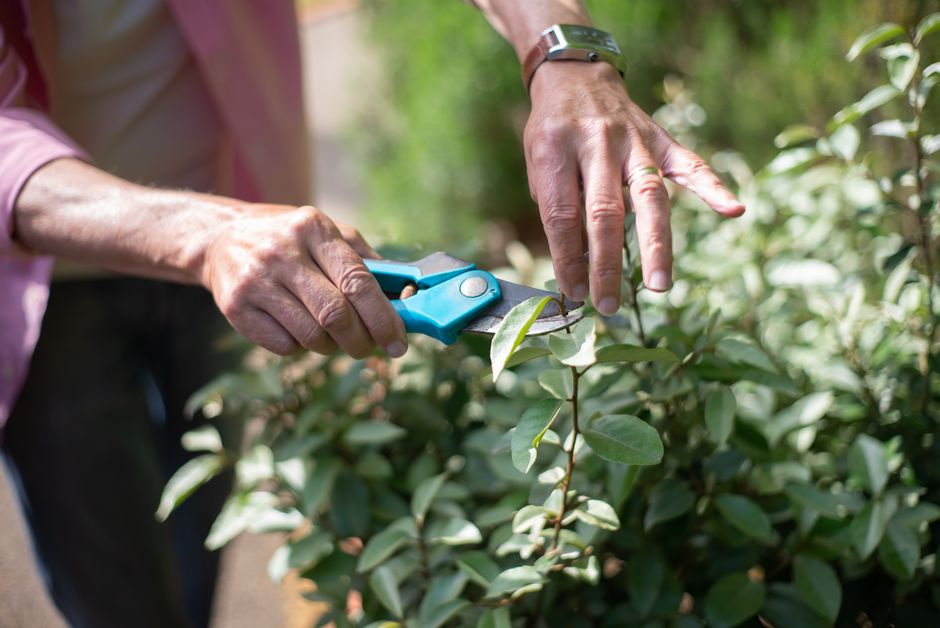
Pruning Blue Daze (Evolvulus glomeratus) is simple: pinch or cut back the stems by one-third to one-half in early spring, then trim lightly after each bloom cycle. This pushes the plant to grow new stems, and new stems are where the blue flowers appear. Regular deadheading and a harder mid-summer cutback keep the plant blooming from late spring through fall without the woody, sparse look that unpruned plants develop.
Why Does Pruning Increase Blooms on Blue Daze?
Blue Daze flowers only on new growth. The plant produces its small, trumpet-shaped blue flowers at the tips of newly formed stems. As stems age, they become woody and stop producing flowers. The plant then puts energy into maintaining old growth instead of making new flowering stems.
When you prune, you remove that old growth. The plant responds by sending out new shoots from nodes below the cut. Each new shoot has the potential to produce flowers. More new shoots mean more flowers. This is the basic biology behind why cutting back works.
Pruning also improves airflow through the plant. Dense, unpruned Blue Daze can develop a thick mat of foliage that traps moisture. This creates conditions where fungal diseases can take hold. A pruned plant stays more open, which helps leaves dry faster after rain or watering.
When Is the Best Time to Prune Blue Daze?
Early spring is the most important pruning window. This is when the plant is coming out of its winter rest and preparing for its main growing season. In most climates, this means March or April, once the risk of frost has passed. Cut the plant back by one-third to one-half at this time, even if it still looks green.
Do not prune in late fall. Cutting back in autumn encourages tender new growth that can be damaged by cold weather. The plant needs to harden off before winter. If you live in a frost-free zone, Blue Daze can grow year-round, and you can prune more frequently. In colder zones, treat it as an annual or bring it indoors for winter.
After the first flush of blooms fades, give the plant a lighter trim. This is often called a maintenance prune. Remove about a quarter of the stem length. This encourages a second wave of growth and keeps the plant from becoming leggy. You can repeat this light pruning every four to six weeks during the active growing season.
How to Prune Blue Daze Step by Step
Use clean, sharp pruning shears or scissors. Dirty tools can spread disease from one plant to another. Wipe the blades with rubbing alcohol before you start, especially if you have pruned other plants recently.
Follow these steps for a standard spring prune:
- Look for stems that are woody, bare at the base, or have few leaves. Remove these first.
- Cut each remaining stem back by one-third to one-half its length. Make the cut just above a leaf node, which is the point where a leaf attaches to the stem.
- Angle the cut slightly so water runs off the cut surface. This reduces the risk of rot.
- Remove any dead, yellowing, or damaged stems entirely, cutting them back to the base of the plant.
- Thin out crowded areas by removing some stems completely. This improves airflow and light penetration.
For maintenance pruning during the growing season, use the same technique but cut less. Remove only the spent flower stems and the top few inches of growth. You can do this with your fingers for small plants. Pinch the stem just above a leaf node using your thumbnail and forefinger.
After a heavy prune, water the plant well. A light application of balanced fertilizer can support the new growth, but this is optional. Blue Daze is not a heavy feeder, and too much fertilizer can produce more leaves than flowers.





Should You Deadhead Blue Daze Flowers?
Deadheading means removing individual spent flowers. Blue Daze is a self-cleaning plant, which means the old flowers fall off on their own. You do not need to pick off each faded bloom. This is different from plants like petunias or geraniums, which benefit from individual deadheading.
However, the stems that held those flowers will eventually become leggy. This is where the maintenance prune comes in. Instead of removing individual flowers, cut back the entire stem by a few inches once most of its blooms have faded. This achieves the same goal as deadheading but also encourages branching.
Some gardeners find that a hard cutback in mid-summer gives the plant a second life. If your Blue Daze looks tired, stretched out, or has stopped blooming by July, cut it back by half. It will look bare for a week or two, then push out fresh growth and a new round of blooms within three to four weeks.
What Happens If You Do Not Prune Blue Daze?
An unpruned Blue Daze will still bloom, but the display will decline over time. The plant becomes woody at the base with most of the foliage and flowers concentrated at the tips of long, bare stems. The overall shape becomes leggy and sprawling rather than the compact, mounded form that gardeners expect from this plant.
Bloom production also decreases. Since flowers form only on new growth, an old plant with mostly mature stems has fewer flowering sites. The plant may also become more susceptible to pests and diseases because the dense, tangled growth traps moisture and reduces airflow.
If you have an older, neglected Blue Daze that has become mostly woody, you can still rejuvenate it. Cut the entire plant back to about four to six inches above the soil line in early spring. This is a drastic prune, but Blue Daze generally responds well to it. New shoots will emerge from the base, and the plant will regrow into a compact, flowering mound by early summer.
Common Pruning Mistakes to Avoid
One common mistake is pruning too late in the season. If you cut back heavily in late summer or early fall, the new growth may not have time to mature before cold weather arrives. This is less of a problem in warm climates but can shorten the bloom season in cooler zones.
Another mistake is cutting without regard to leaf nodes. If you leave a long stub above a node, that stub will die back and can invite disease. Always cut close to a node, leaving only a quarter inch or less of stem above it.
Over-fertilizing after pruning is also common. The plant does not need heavy feeding to recover from a prune. In fact, high-nitrogen fertilizer encourages lush leaf growth at the expense of flowers. If you fertilize at all, use a balanced formula or one with a higher middle number, which represents phosphorus and supports flowering.
Finally, do not prune when the plant is stressed. If the plant is wilted from drought or showing signs of pest damage, address those issues first. Pruning a stressed plant adds more stress and can slow recovery.
Does Pruning Affect Blue Daze Grown in Containers?
Blue Daze grows well in pots and hanging baskets, and pruning rules are the same. Container plants may need more frequent pruning because they often grow faster in the warm, well-drained conditions of a pot. The confined root space also means the plant can become root-bound, which can limit growth and flowering.
For hanging baskets, pruning is especially important. Long, trailing stems can become bare near the basket rim while the ends keep growing. Prune these trailing stems back by half every few weeks to keep the basket full and the flowers coming. Each cut encourages the stem to branch, which fills out the basket rather than letting it become a few long, leafless vines.
If you bring Blue Daze indoors for winter, prune it back by one-third before moving it inside. This reduces the plant’s size and helps it adapt to lower light conditions indoors. Resume normal pruning in spring when you move it back outside.
Frequently Asked Questions
How often should I prune Blue Daze?
Prune hard once in early spring and then lightly every four to six weeks during the growing season. A mid-summer cutback by half is also beneficial if the plant looks leggy or stops blooming.
Can I prune Blue Daze in the summer?
Yes, summer pruning is fine and often recommended. A light trim after each bloom cycle keeps flowers coming, and a harder cutback in mid-summer can rejuvenate a tired plant.
Will Blue Daze grow back if I cut it all the way down?
Yes, if you cut it back to about four to six inches above the soil in early spring, it will regrow. This drastic prune works best on older, woody plants that need rejuvenation.
Do I need to remove old flowers from Blue Daze?
No, Blue Daze drops its spent flowers on its own. Instead of deadheading individual blooms, cut back the whole stem by a few inches after the flowers fade to encourage new growth.
