
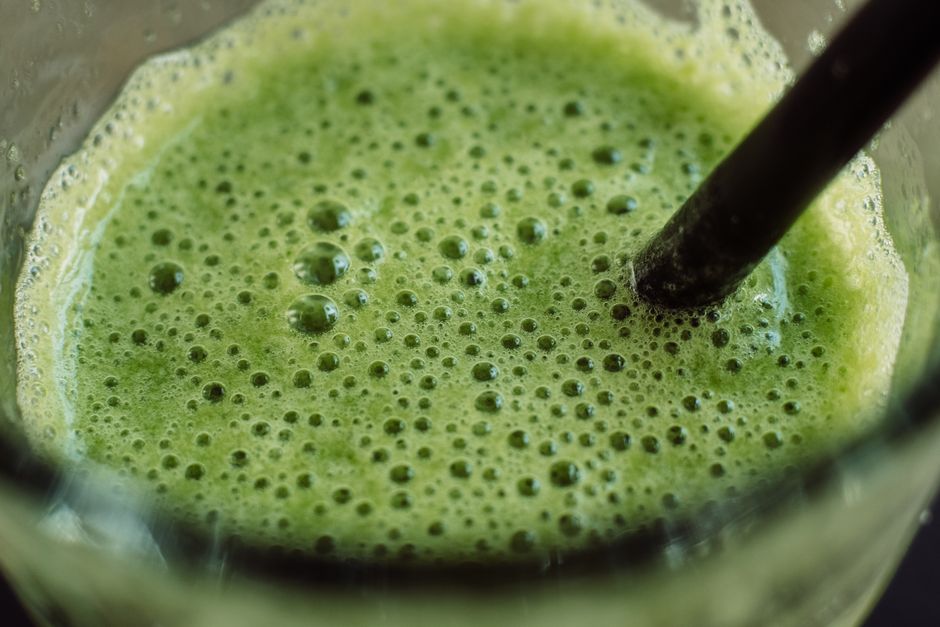
Prune juice is one of the most reliable home remedies for constipation, and you can make it at home in minutes with just dried plums and water. The simplest method is to soak pitted prunes in warm water, then blend the mixture until smooth and strain it for a thinner juice. For most adults, drinking a 4 to 8 ounce glass once a day is a reasonable starting point for relief.
Why Does Prune Juice Work for Constipation?
Prunes work through two separate mechanisms. First, they are high in dietary fiber. A single serving of prunes provides about 3 grams of fiber, which adds bulk to stool and helps it move through the colon more easily.
Second, prunes contain naturally occurring compounds called sorbitol and chlorogenic acid. Sorbitol is a sugar alcohol that draws water into the intestines. This softens hard stool and stimulates bowel contractions. The combination of fiber and sorbitol is what makes prune juice more effective than many other fruit juices for constipation relief.
The Basic Recipe: Soaked and Blended Prune Juice
This is the most straightforward method and produces a juice with the highest fiber content. You control the sweetness and thickness.
- Take 6 to 8 pitted prunes (about 1 cup).
- Place them in a bowl and cover with warm water.
- Soak for 30 to 60 minutes until they soften.
- Transfer the prunes and soaking water to a blender.
- Blend on high for 60 to 90 seconds until smooth.
- Strain through a fine mesh sieve if you prefer a thinner juice.
- Store in the refrigerator for up to 3 days.
This recipe yields roughly 8 ounces of juice. If the flavor is too strong, dilute it with plain water or mix it with apple juice.
A Quicker Method: Steeped Prune Tea
If you do not have a blender, you can make a lighter prune infusion. This method extracts the sorbitol and some fiber but leaves most of the pulp behind.
- Boil 2 cups of water.
- Add 8 to 10 pitted prunes.
- Turn off the heat and let them steep for 20 minutes.
- Remove the prunes and drink the liquid warm or chilled.
The resulting liquid is less thick than blended juice. It still contains the sorbitol that draws water into the bowel, so it remains effective for mild constipation.





How Much Prune Juice Should You Drink?
Start with a small amount and adjust based on your response. For adults, 4 to 8 ounces once daily is a common starting dose. Some people find relief with as little as half a glass.
Do not drink large amounts at once. Prune juice is a natural laxative, and excessive intake can cause cramping, bloating, and diarrhea. If you do not see results within 24 to 48 hours of daily use, the constipation may need a different approach.
For children under 2 years old, no clinical guidelines exist for prune juice dosing. For older children, a smaller amount such as 2 to 4 ounces is often used, but you should check with a pediatrician first. For infants, prune juice should only be given under medical advice.
Does Store-Bought Prune Juice Work the Same?
Commercial prune juice is effective, but it is not identical to homemade versions. Most store-bought prune juice is made from reconstituted prune concentrate and water. It contains the sorbitol and most of the natural sugars, but it has significantly less fiber than blended whole prunes.
If you buy prune juice, check the label for added sugars. Many brands add sugar or other juices. Pure unsweetened prune juice is the better choice for constipation relief. Added sugar does not help constipation and can contribute to other health problems.
Homemade blended juice retains the pulp, so it delivers more fiber per glass. If your constipation is chronic or severe, the higher-fiber homemade version may work better.
When to Expect Results
Prune juice does not work instantly. After drinking it, you can typically expect a bowel movement within 6 to 12 hours. This timing depends on how quickly your digestive system moves and how severe the constipation is.
Do not drink prune juice and expect immediate results within an hour. That is not how it works. The sorbitol and fiber need time to travel through the stomach and small intestine before they reach the colon where they do their work.
If you are already severely backed up, a single glass may not be enough. You may need to drink it daily for two to three days to see consistent improvement.
Who Should Be Careful With Prune Juice?
Prune juice is safe for most healthy adults, but it is not for everyone. People with irritable bowel syndrome (IBS) may find that prune juice triggers cramping or worsens diarrhea. The sorbitol can be poorly tolerated in sensitive digestive systems.
People with diabetes should be cautious. Prune juice is high in natural sugars. An 8-ounce glass contains roughly 25 to 30 grams of sugar. This can raise blood glucose levels. Whole prunes are a better option for blood sugar control because the fiber slows sugar absorption.
If you have kidney disease, talk to your doctor before using prune juice regularly. Prunes are high in potassium, and people with impaired kidney function may need to limit potassium intake.
Prune juice can interfere with certain medications. If you take diuretics or blood pressure medications, the potassium content may matter. Always mention regular prune juice use to your healthcare provider if you take prescription medications.
Other Ways to Use Prunes for Constipation
Whole prunes are often more effective than juice because they contain all the fiber. Eating 3 to 4 whole prunes daily is a common recommendation for mild constipation. You can chop them into oatmeal, yogurt, or salads.
Prune puree is another option. Blend pitted prunes with a small amount of water until smooth. This can be added to baked goods or spread on toast. It delivers the same fiber and sorbitol as the juice but in a more concentrated form.
A warm drink can help stimulate bowel activity regardless of what is in it. Warm fluids can promote peristalsis, the wave-like muscle contractions that move stool through the colon. Drinking warm prune juice may be slightly more effective than cold for this reason.
Lifestyle Factors That Affect Constipation
Prune juice works best when the rest of your routine supports regular bowel movements. Dehydration is a common cause of constipation. Make sure you are drinking enough water throughout the day, not just when you drink prune juice.
Physical activity also matters. Regular walking or other moderate exercise helps stimulate intestinal activity. A sedentary lifestyle slows the digestive tract.
If you take opioid pain medications, iron supplements, or certain blood pressure drugs, constipation can be a side effect. Prune juice may help, but you should also discuss the underlying cause with your doctor.
Constipation that lasts longer than three weeks, is accompanied by severe pain, blood in the stool, or unexplained weight loss warrants a medical evaluation. Do not rely solely on prune juice if these signs are present.
Frequently Asked Questions
How long does prune juice take to relieve constipation?
Most people feel the effect within 6 to 12 hours after drinking it. You may need to drink it daily for two to three days if the constipation is severe.
Can I drink prune juice every day?
Yes, daily use is generally safe for healthy adults, but start with 4 ounces to see how your body responds. Regular daily use can lead to dependency on laxatives for some people, so it is best to use it as a short-term tool.
Is it better to eat prunes or drink prune juice?
Whole prunes are more effective because they contain all the fiber that is lost in commercial juice. Homemade blended juice retains more fiber than store-bought juice.
Can prune juice cause diarrhea?
Yes, drinking too much prune juice can cause diarrhea, cramping, and bloating. The sorbitol draws water into the colon, and excessive amounts overwhelm the bowel’s ability to absorb it.
