
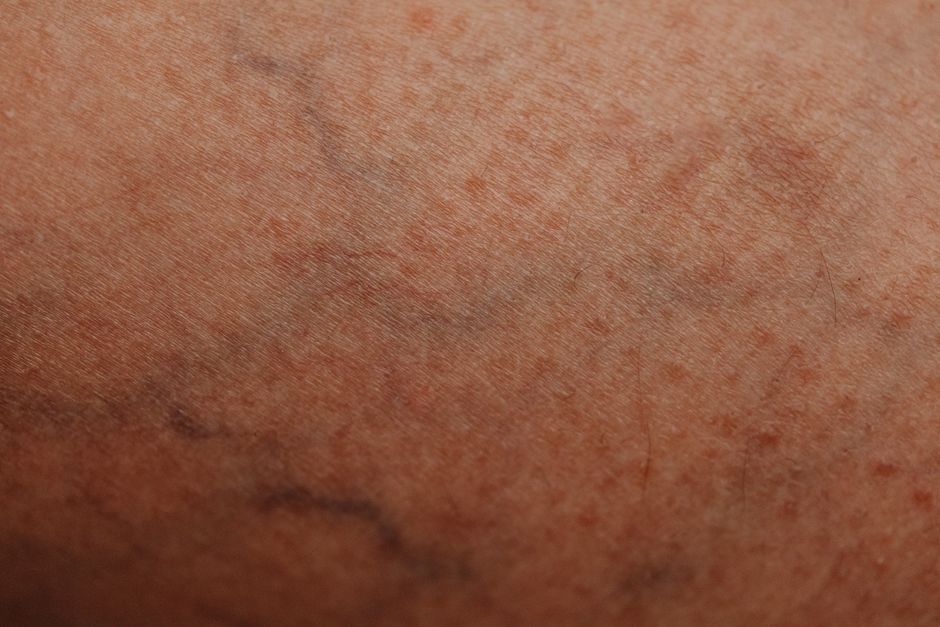
Look at the inside of your wrist. Those blue and purple lines under your skin are your veins, and they are carrying blood that is dark red, not blue. The blue color you see is a trick of light and skin. Your blood is always red, but the way light passes through your skin and reflects back to your eyes makes the veins appear blue. This happens because red light penetrates the skin deeper than blue light, and the blood in your veins absorbs that red light. What your eyes actually see is the blue light that bounces back.
Why Are Veins Blue In Colour? The Science of Light and Skin
The color you see is not the color of the blood. It is the result of how light travels through your body. White light from the sun or a lamp contains all colors. When that light hits your skin, different colors behave differently.
Red light has a longer wavelength. That means it can travel deeper into your skin and tissue. Blue light has a shorter wavelength, so it does not go as deep. When the red light reaches your veins, the blood inside absorbs it. The blue light, however, is scattered and reflected back to your eyes. That reflected blue light is what you see.
This is similar to why the sky looks blue. The same physics of light scattering applies. Your veins are not actually blue, and neither is the sky. Both are the result of light interacting with matter in a way that makes blue the color that reaches your eyes.
Blood that is full of oxygen is bright red. Blood that has delivered its oxygen is a darker, deeper red. But both types of blood are red. Neither is ever blue. Even the blood returning to your lungs, which has less oxygen, is dark red, not blue.
What Color Is Deoxygenated Blood Really?
There is a common myth that deoxygenated blood is blue. This is false. Blood without oxygen is a dark red color, sometimes described as maroon or burgundy. It is not blue.
Hemoglobin is the protein in red blood cells that carries oxygen. When hemoglobin has oxygen attached to it, it is called oxyhemoglobin, and it is bright red. When it releases the oxygen, it becomes deoxyhemoglobin, which is a darker red. The difference in color is real, but both are shades of red.
If you have ever had blood drawn, you have seen this. The blood that comes out of your vein is dark red. It is not blue. The only way blood appears blue is in medical diagrams that use color to show oxygen levels, and those diagrams are not showing real color.
Some animals do have blue blood. Horseshoe crabs and some other marine creatures use a copper-based molecule called hemocyanin to carry oxygen, and that molecule is blue when oxygenated. Humans use iron-based hemoglobin, which is red.
Why Do Veins Look Blue but Arteries Do Not?
You can see veins through your skin, but you cannot see arteries. Both are blood vessels, but they are built differently and sit at different depths.
Veins are closer to the surface of your skin. They are also thinner-walled and less muscular than arteries. This combination makes them visible. Arteries are deeper in your body, protected by muscle and tissue, so you cannot see them from the outside.
Arteries carry oxygen-rich blood away from your heart to your body. That blood is bright red. Veins carry the darker, oxygen-poor blood back to your heart. But again, that darker blood is still red.
The depth of the vessel matters for the color illusion. Deeper vessels are harder to see clearly. Surface veins, like the ones on your hands, wrists, and feet, are the ones that appear blue because the light-scattering effect is strongest there.
Skin tone also plays a role. People with lighter skin tend to see their veins as more blue or purple. People with darker skin may see their veins as greenish or may not see them clearly at all. The amount of melanin in the skin changes how light is absorbed and reflected.





Are Green Veins a Different Kind of Blood Vessel?
Some people notice veins that look green rather than blue. This is especially common on the wrists and the backs of hands. Green veins are not a different type of vessel and do not contain green blood.
The green appearance happens because of the same light-scattering effect, combined with the yellow tones in your skin. When blue light reflected from the vein mixes with the yellow color of your skin and the fatty tissue beneath it, the result can look green.
This is a normal variation. It does not indicate a health problem. Whether your veins look blue, green, or purple depends on your skin tone, the depth of the vein, and the amount of body fat over the vessel.
People who are very lean often see more veins, and those veins may appear more blue. People with more subcutaneous fat may see fewer veins, and the ones they do see may look greener or less distinct.
When Should You Be Concerned About Visible Veins?
Visible veins are normal, especially on the hands, arms, and feet. But there are situations where vein changes deserve attention. You should not panic, but you should know the signs.
Varicose veins are swollen, twisted veins that often appear on the legs. They happen when the valves inside the veins stop working properly, allowing blood to pool. They can be painful and may cause aching or heaviness in the legs. Spider veins are smaller, red, purple, or blue lines that appear on the skin surface. They are usually harmless.
Sudden changes in vein appearance can be more concerning. If a vein becomes hard, tender, or warm to the touch, it could be a sign of a blood clot. This is called superficial thrombophlebitis. A clot in a deep vein is called deep vein thrombosis, and it is more serious. Seek medical attention if you have swelling, pain, and redness in one leg, especially if it comes on suddenly.
Visible veins on the chest, abdomen, or arms that appear suddenly and without explanation should be evaluated by a doctor. These can sometimes indicate problems with blood flow or circulation, though they are often harmless.
Pregnancy, aging, and weight changes can all make veins more visible. This is normal. The key is to pay attention to sudden changes, pain, or swelling, not to the mere presence of visible veins.
Can You Change the Color of Your Veins?
Your vein color is determined by anatomy and light physics, not by anything you eat or drink. There is no food, supplement, or cream that will change the color of your veins.
Hydration can affect vein prominence. When you are well hydrated, your veins may be fuller and easier to see. When you are dehydrated, they may be flatter and harder to find. This is why nurses sometimes ask you to drink water before a blood draw. But this changes how visible the veins are, not their color.
Exercise can also make veins more prominent. When you work out, blood flow increases and veins dilate. This is temporary. Bodybuilders and athletes often have very visible veins because they have low body fat, which makes the veins sit closer to the skin surface.
Temperature matters too. Heat makes veins dilate, which makes them more visible. Cold makes them constrict, which makes them less visible. This is why your veins may look different in a warm shower versus a cold room.
None of these factors change the actual color of the blood or the vein wall. They only change how much of the vein you can see and how the light interacts with it.
Frequently Asked Questions
Is blood ever actually blue inside the body?
No. Human blood is always red, whether it has oxygen or not. Blood without oxygen is a darker red, but it is never blue.
Why do my veins look green instead of blue?
Green veins happen when reflected blue light mixes with yellow tones in your skin and tissue. It is a normal variation and not a health concern.
Can dehydration make my veins look different?
Dehydration can make veins less visible and flatter because blood volume drops. It does not change the actual color of the blood or the vein.
When should I worry about visible veins?
Sudden swelling, pain, warmth, or hardness in a vein area warrants medical attention. Simply seeing your veins through your skin is normal and not a problem.
