
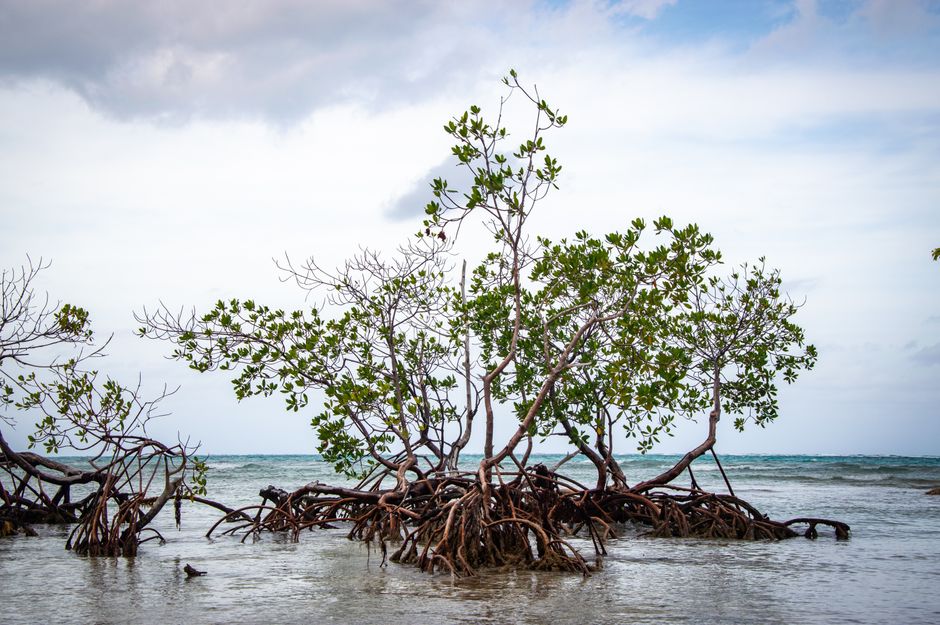
Mangroves are among the most valuable ecosystems on Earth, yet they are disappearing at an alarming rate. Protecting them starts with understanding what they do and how your daily choices affect them. You can protect mangroves by supporting conservation policies, choosing sustainable seafood, reducing plastic waste, and avoiding products linked to shrimp farming and coastal development.
Why Are Mangroves So Important?
Mangroves are trees and shrubs that grow in coastal intertidal zones. They survive in saltwater where most plants cannot. Their root systems create a unique habitat that supports fish, crabs, birds, and other wildlife.
These forests act as natural barriers against storms and erosion. They absorb wave energy and reduce flooding during hurricanes and typhoons. Research consistently shows that coastal areas with healthy mangroves suffer less damage from storms than areas without them.
Mangroves also store large amounts of carbon. They capture carbon dioxide from the atmosphere and store it in their roots and in the soil below. This stored carbon, sometimes called “blue carbon,” can remain locked away for centuries. Some studies suggest that mangroves store carbon at rates several times higher than tropical rainforests per unit area.
They also filter pollutants from water before it reaches coral reefs and seagrass beds. This keeps coastal waters cleaner and supports the health of nearby marine ecosystems.
What Is Destroying Mangroves Today?
The biggest driver of mangrove loss is shrimp farming. Large areas of mangrove forest are cleared to build aquaculture ponds. These ponds produce shrimp for global markets, but they often operate for only a few years before being abandoned due to disease or poor water quality.
Coastal development is the second major threat. Hotels, resorts, ports, and housing projects increasingly replace mangrove forests. As coastal populations grow, pressure on these areas intensifies.
Pollution also damages mangroves. Agricultural runoff, industrial waste, and untreated sewage can overwhelm the natural filtering capacity of these ecosystems. Oil spills are particularly devastating because oil coats the roots and prevents them from breathing.
Climate change adds another layer of stress. Rising sea levels can drown mangroves that cannot migrate inland because of coastal development. Warmer temperatures and changing rainfall patterns also affect their growth and reproduction.
How To Protect Mangroves Through Consumer Choices
Your purchasing decisions directly influence mangrove survival. The most impactful choice is what seafood you buy. Shrimp farming is the leading cause of mangrove destruction, so knowing where your shrimp comes from matters.
Look for shrimp certified by organizations that require mangrove protection. Some certification programs verify that farms do not clear mangroves and that they manage water quality responsibly. If the label does not indicate a certified source, the shrimp likely came from an uncertified farm.
Wild-caught shrimp from well-managed fisheries is generally a better choice than farmed shrimp from uncertified sources. However, not all wild-caught seafood is sustainable either. Check for eco-labels that verify sustainable fishing practices.
Reducing plastic waste also helps. Plastic pollution smothers mangrove roots and breaks down into microplastics that enter the food chain. Every piece of plastic you avoid is one less piece that could end up in a coastal ecosystem.
Supporting sustainable palm oil and timber products matters too. Some mangrove areas are cleared for palm oil plantations and logging operations. Choosing certified sustainable products reduces demand for these destructive practices.




Supporting Conservation Organizations and Policies
Many organizations work directly to restore and protect mangrove forests. These groups plant new mangroves, remove invasive species, and work with local communities to develop sustainable livelihoods. Donating to these organizations is a direct way to contribute.
Policy advocacy is equally important. Laws that protect mangroves exist in many countries, but enforcement is often weak. Supporting politicians who prioritize coastal conservation can make a real difference.
Some countries have established payment for ecosystem services programs. These programs compensate landowners who preserve mangroves instead of converting them to other uses. Supporting these policy approaches helps create economic incentives for conservation.
International agreements also play a role. The Paris Agreement recognizes the importance of blue carbon ecosystems, and some nations have committed to mangrove restoration as part of their climate pledges. Encouraging your government to follow through on these commitments matters.
What Does Mangrove Restoration Actually Involve?
Restoration is not as simple as planting trees. Many restoration projects fail because they plant the wrong species in the wrong location. Mangroves have specific requirements for tidal depth, salinity, and soil type.
Successful restoration starts with restoring the natural hydrology of the area. This means removing barriers that block tidal flow and allowing water to move freely. Without proper water flow, planted mangroves will not survive.
Community involvement is critical to success. Restoration projects that work with local communities tend to have much higher survival rates than those imposed from outside. When local people benefit from healthy mangroves, they become stewards of the forest.
Some studies indicate that natural regeneration is often more effective than planting. If the underlying threats are removed, mangroves can recover on their own. This is faster and cheaper than planting, and the resulting forest is often more resilient.
How To Protect Mangroves When You Visit Coastal Areas
If you visit mangrove areas, follow responsible tourism practices. Stay on designated paths and boardwalks. Walking on mangrove roots damages them and compacts the soil, making it harder for the trees to breathe.
Do not disturb wildlife. Mangroves are nursery grounds for many species, including juvenile fish and crabs. Touching or removing animals harms the ecosystem.
Never litter in or near mangrove forests. Even biodegradable items like fruit peels can disrupt the delicate balance of the ecosystem. Pack out everything you bring in.
If you are boating, avoid driving through mangrove channels at high speed. Boat wakes erode the shoreline and damage roots. Slow down in shallow areas and keep a safe distance from the forest edge.
Support local businesses that practice responsible tourism. Some operators offer guided kayak tours through mangroves while following strict environmental guidelines. Your money supports conservation rather than destruction.
How To Protect Mangroves in Your Community
You do not need to live near the coast to help. Many inland communities are connected to coastal ecosystems through rivers and watersheds. Reducing fertilizer use on lawns and gardens prevents nutrient runoff that eventually reaches mangrove areas.
Proper disposal of household chemicals and medications is important. Flushing these substances sends them into waterways that lead to the ocean. Check local guidelines for safe disposal options.
Participate in coastal cleanup events if you live near the coast. These events remove trash before it can smother mangrove roots. If you do not live near the coast, support organizations that organize these cleanups.
Educate others about mangroves. Many people do not know what mangroves are or why they matter. Sharing accurate information helps build public support for conservation.
Frequently Asked Questions
What is the single most effective way to protect mangroves?
Choosing certified sustainable seafood, especially shrimp, is the most direct consumer action you can take.
Shrimp farming is the leading cause of mangrove loss worldwide.
Can mangroves regrow after being cut down?
Yes, mangroves can regenerate naturally if the area still has proper tidal flow and the underlying threats are removed.
Natural regeneration is often more successful than planting new trees.
How much mangrove forest is lost each year?
Mangrove loss has slowed in recent decades, but it continues at a significant rate in many regions.
Estimates vary by region and time period, but the global trend remains a net loss.
Does planting mangroves actually work?
Planting can work when done correctly, but many projects fail due to poor site selection and lack of community support.
Restoring natural water flow is often more important than planting trees.
