
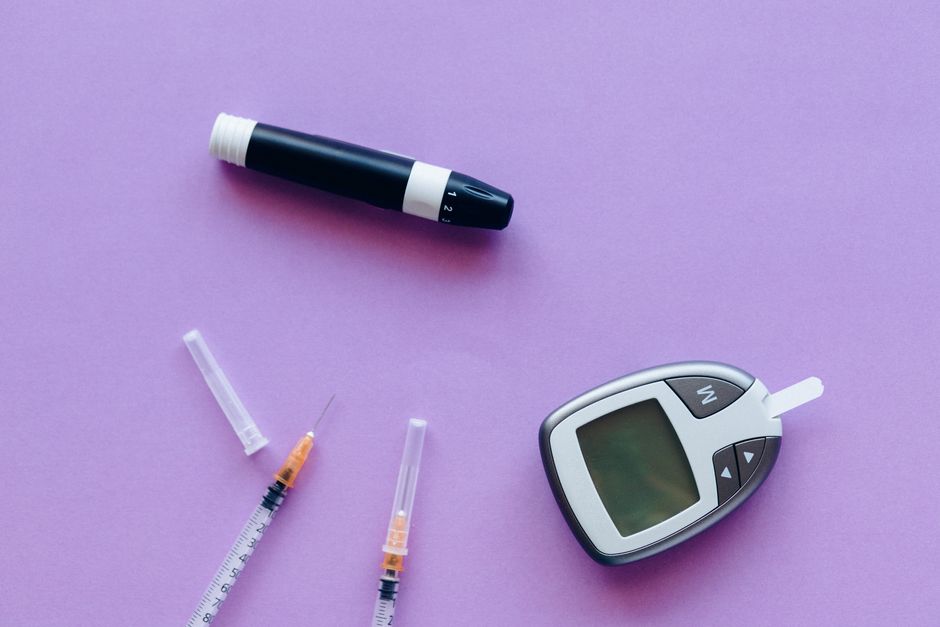
A glucose test measures the amount of sugar in your blood at a single moment in time. It works by using a chemical reaction — or a laboratory instrument — that produces a signal proportional to the glucose concentration in your blood sample. Many things affect the reading, including when and what you last ate, how long the sample sat before testing, your medications, your hydration level, and whether you have an illness or infection at the time.
That sounds simple. It is not. The same person can get very different numbers on the same day, and understanding why is the difference between a useful result and a misleading one.
What Is a Glucose Test Actually Measuring?
Blood glucose is the concentration of glucose dissolved in your bloodstream. Glucose is the body’s main fuel. Cells throughout your body pull it from the blood, and the hormone insulin is the primary signal that tells them to do so.
A glucose test reports how much glucose is circulating at the moment the blood was drawn or the sensor was read. It does not tell you what your glucose was an hour ago or what it will be an hour from now. It is a snapshot, not a movie.
This distinction matters because glucose is not static. It rises after you eat, falls as insulin moves it into cells, rises again when the liver releases stored glucose between meals, and shifts with stress hormones like cortisol and adrenaline. A single number captures one frame of a constantly moving picture.
Most clinical decisions rely on more than one measurement for exactly this reason. A doctor looking at a fasting glucose of 118 mg/dL will usually want a repeat test or a different test before drawing conclusions.
How Does A Glucose Test Work And What Affects Results?
There are several ways to measure glucose, and each one works differently.
Laboratory testing. A blood sample is drawn and sent to a lab. Most labs use an enzymatic method — commonly the glucose oxidase or hexokinase reaction — in which glucose reacts with specific chemicals to produce a measurable signal, often a color change or an electrical current. These methods are highly standardized and are the reference against which other devices are compared.
Fingerstick meters. A small drop of capillary blood from a fingertip is placed on a test strip. The strip contains enzymes that react with glucose and generate a small electrical current. The meter converts that current into a number. These devices are convenient but less precise than lab testing, and they carry an error margin. Regulatory standards in the United States allow a meaningful percentage of readings to fall outside a set range compared with lab values, so a meter reading is best treated as a close estimate, not an exact figure.
Continuous glucose monitors. A small sensor sits under the skin and measures glucose in the fluid between cells, called interstitial fluid, rather than in blood directly. Because glucose moves between blood and interstitial fluid with a slight delay, sensor readings can lag behind blood glucose, particularly when glucose is changing quickly — after a meal, during exercise, or when it is falling fast. Most systems require periodic fingerstick calibration or confirmation.
What affects the result? A long list:
- Time since your last meal, and what that meal contained
- Whether the sample was fasting or random
- Medications, especially corticosteroids, some diuretics, and certain psychiatric drugs
- Acute illness, infection, or physical stress
- Hydration status — dehydration can concentrate the blood
- How the sample was stored and how long before analysis
- For fingersticks: dirty hands, expired strips, extreme temperatures, and poor circulation
- For monitors: sensor placement, compression on the sensor site, and calibration timing
One commonly overlooked factor is hand contamination. Glucose from food residue on a fingertip can produce a falsely high meter reading. Washing hands with soap and water and drying them before testing is not a minor detail — it can change the number substantially.
What Do the Different Types of Glucose Tests Show?
Not all glucose tests answer the same question. Each is designed to look at a different part of glucose regulation.
Fasting glucose
You eat nothing for at least 8 hours, then a blood sample is taken. This measures your baseline — how well your body manages glucose without food coming in. A fasting glucose of 70 to 99 mg/dL is generally considered normal. A result from 100 to 125 mg/dL falls into a range clinicians call prediabetes. A fasting glucose of 126 mg/dL or higher on two separate occasions is one criterion used to diagnose diabetes.
Random glucose
Drawn at any time, without regard to when you last ate. It is useful in urgent situations but harder to interpret on its own because the normal range depends heavily on when you last ate.
Oral glucose tolerance test
You fast, give a baseline sample, then drink a standardized glucose solution. Blood is drawn again at set intervals — commonly at one and two hours. This shows how quickly your body clears a glucose load. It is used most often during pregnancy to screen for gestational diabetes, and sometimes to investigate prediabetes or diabetes when fasting glucose is borderline.
A1C
This is technically not a glucose test — it measures the percentage of hemoglobin in your red blood cells that has glucose attached to it. Because red blood cells live about three months, A1C reflects average glucose over roughly the previous two to three months. An A1C of 5.7 to 6.4 percent is generally classified as prediabetes. An A1C of 6.5 percent or higher is one criterion for diagnosing diabetes.
The key difference: a glucose test shows a moment, A1C shows an average. Someone whose glucose swings widely can have a normal A1C while spending significant time at high and low extremes.


Why Can Two Glucose Readings Be So Different?
Biological variation is real and often larger than people expect. Even under carefully controlled conditions, glucose fluctuates through the day in response to meals, activity, sleep, stress, and hormonal cycles.
Measurement error adds to that. Two lab samples drawn minutes apart can differ. A lab value and a meter value taken at the same time can differ by a clinically meaningful amount. This is why guidelines generally do not diagnose diabetes from a single abnormal result unless the person clearly has symptoms and the value is markedly elevated.
There is also the dawn phenomenon — a natural rise in glucose in the early morning hours driven by overnight hormone release. It can make a fasting morning reading higher than a reading taken later in the day in some people. This is a normal physiological pattern, not a sign that something is wrong.
If you get an unexpected result, the most useful question is not “what does this number mean” but “what could have pushed it up or down right now.”
What Should You Do Before a Glucose Test?
Follow the instructions you were given, because they are specific to the test.
For a fasting test, you typically avoid food and caloric drinks for at least 8 hours. Water is generally allowed and is usually encouraged. Black coffee is sometimes permitted, but this varies — ask, because some providers restrict it.
Tell your clinician about all medications and supplements. Some can raise glucose, some can lower it, and some interfere with the test itself.
Avoid unusual strenuous exercise in the hours before a fasting test, since exercise can lower glucose. Do not skip prescribed medications unless your clinician tells you to.
For fingerstick testing at home, wash and dry your hands, use unexpired strips, and store strips according to the package instructions. Heat and humidity can damage them.
If you feel unwell — fever, infection, vomiting — mention it. Acute illness can raise glucose independent of anything else, and a result taken during illness may not reflect your normal state.
When a Glucose Result Needs Context
A glucose number is a data point, not a diagnosis. Diagnosis requires the right test, repeated when appropriate, interpreted alongside your symptoms, history, and other measurements.
If you have a result that concerns you, the useful next step is a conversation with a clinician who can see the full picture — not a search for a single number that explains everything. Glucose is one of the most measured values in medicine, and it is also one of the most easily misinterpreted when taken alone.
Frequently Asked Questions
How accurate are fingerstick glucose meters?
Fingerstick meters are less precise than laboratory testing and carry a defined error margin under regulatory standards. Treat the reading as a close estimate and confirm unexpected values with a lab test if it matters clinically.
Can stress raise blood glucose?
Yes. Stress hormones such as cortisol and adrenaline raise blood glucose by prompting the liver to release stored glucose. This can produce a higher reading even when you have fasted.
What is a normal fasting blood glucose level?
A fasting glucose of 70 to 99 mg/dL is generally considered normal. Results from 100 to 125 mg/dL fall into the prediabetes range, and 126 mg/dL or higher on two occasions is one criterion for diagnosing diabetes.
Does drinking water affect a glucose test?
Water is generally allowed during a fasting glucose test and does not raise glucose. Dehydration, however, can concentrate the blood and may affect results, so staying normally hydrated is reasonable.
