
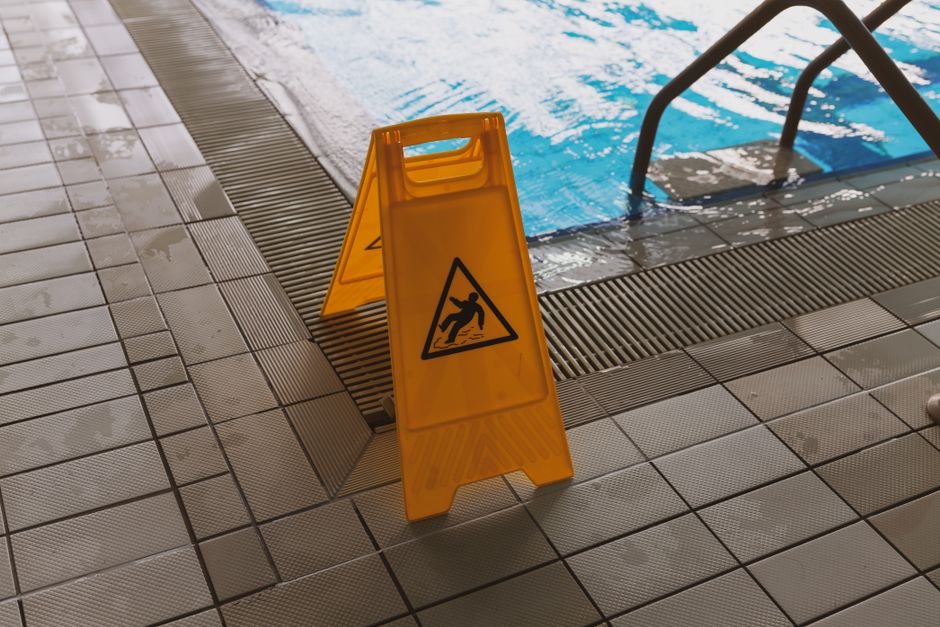
Slips, trips, and falls are among the most common workplace injuries in the United States, and most of them are preventable. The core approach is straightforward: keep walking surfaces clean and dry, maintain good housekeeping, improve lighting, mark changes in floor height, and make sure workers wear footwear suited to the surface. Pair those physical fixes with training and a reporting system so hazards get corrected before someone gets hurt.
Why Are Slips, Trips, And Falls So Common At Work?
Falls happen because the body loses its center of gravity. A slip occurs when there is too little friction between the foot and the walking surface. A trip occurs when the foot strikes an object or drops to a lower level, throwing the body forward or sideways. Both are mechanical events, and both depend on the environment as much as on the person.
The Bureau of Labor Statistics tracks these injuries nationally, and falls consistently rank among the leading causes of workplace fatalities and serious injuries. That is not because workers are careless. It is because most workplaces contain predictable hazards that go unaddressed.
Three conditions drive the majority of incidents:
- Contaminants on the floor — water, grease, oil, food, dust, or cleaning residue
- Obstacles and uneven surfaces — cords, clutter, loose mats, damaged flooring, single steps
- Human and environmental factors — poor lighting, carrying loads that block the view, rushing, fatigue
Understanding which of these applies to a specific workplace matters more than memorizing a generic checklist. A commercial kitchen and a warehouse have very different risk profiles.
How Does Proper Housekeeping Reduce Fall Risk?
Housekeeping is the single most effective control for slips and trips. Most floor contaminants and most trip hazards are the result of work processes, not accidents. Clean as you go, and the hazard never accumulates.
Practical housekeeping measures include:
- Clean spills immediately, and use wet-floor signs until the surface is fully dry
- Keep aisles, walkways, and stairways clear of boxes, tools, and debris
- Store materials in designated areas rather than along paths of travel
- Secure or reroute cables and cords so they do not cross walkways
- Empty waste containers before they overflow
One detail that gets overlooked: a wet-floor sign is a warning, not a fix. The sign does not reduce the hazard. It only tells people the hazard exists. The actual control is drying the floor.
What Role Does Floor Surface And Footwear Play?
Friction between shoe and floor determines whether a slip happens. Floor surfaces have different slip resistance depending on material, finish, and condition. Polished tile, for example, becomes far more slippery when wet than a textured concrete surface does.
Footwear matters too. The Occupational Safety and Health Administration does not certify specific shoe brands, but it does expect employers to match footwear to the hazard. Slip-resistant soles are designed with tread patterns and rubber compounds that channel liquids away from the contact point. That is a meaningful difference on wet or oily surfaces.
What the evidence does not show is that any single footwear standard eliminates slip risk. Slip-resistant shoes reduce risk; they do not remove it. Floor condition, contamination, and walking speed all still matter.
A useful way to think about it:
- Dry, clean, textured floor — lowest slip risk
- Dry but smooth or polished floor — moderate risk, especially with dust or fine debris
- Wet or contaminated floor — highest risk regardless of footwear
That is why floor maintenance and cleaning schedules belong in the same conversation as footwear.



How Do You Control Trip Hazards?
Trip hazards are usually more visible than slip hazards, which makes them easier to eliminate. The problem is that they get ignored because they look minor. A single extension cord across a hallway is a fall waiting to happen.
Common trip hazards and their controls:
- Changes in floor height — mark edges with high-visibility tape and add handrails where steps exist
- Loose or curled mats and rugs — use mats with beveled edges and non-slip backing, or remove them
- Cluttered walkways — establish marked walkways and keep them clear
- Poorly lit areas — maintain lighting so changes in elevation and obstacles are visible
- Damaged flooring — repair cracks, holes, and lifted tiles promptly
Lighting deserves separate attention. A hazard you cannot see is a hazard you cannot avoid. Shadows, glare, and burned-out fixtures all increase fall risk, particularly on stairs and in transition areas between indoor and outdoor spaces.
What About Ladders, Stairs, And Elevated Work?
Falls from height are far more likely to be fatal than same-level falls, so they require a different level of control. The standard hierarchy applies: eliminate the need to work at height where possible, then use guardrails or fall protection systems, and use personal fall arrest as a last line of defense.
For ladders specifically, the key points are well established:
- Inspect the ladder before each use and remove damaged ones from service
- Maintain three points of contact while climbing
- Keep the body centered between the side rails rather than overreaching
- Place the ladder on a stable, level surface and secure it
Stairs cause a large share of workplace falls. Handrails on both sides, consistent step dimensions, adequate lighting, and keeping stairs free of stored items all reduce risk. Stairs should never be used as storage.
How Does Training And Reporting Fit In?
Physical controls only work if people use them and if hazards get reported. Training should cover the specific hazards in a given workplace, not a generic video that applies to no one.
Effective training addresses how to recognize hazards, how to report them, and what to do when a spill or obstruction is found. It should also cover the limits of personal protective equipment. A slip-resistant shoe does not make a wet floor safe.
Reporting systems matter more than most employers realize. When workers know that a reported hazard will actually be fixed, they report more. When reports disappear into a void, people stop bothering and start stepping around the same hazard every day. That normalization is how a small hazard becomes an injury.
Some organizations use near-miss reporting — documenting the slip that almost happened. Near-miss data often identifies hazards before anyone is hurt, which makes it more useful than injury data for prevention.
What Does An Effective Prevention Program Look Like?
An effective program combines engineering controls, administrative controls, and worker behavior, in that order of priority. Engineering controls — better flooring, lighting, and layout — remove the hazard. Administrative controls — cleaning schedules, inspections, training — manage what remains. Behavior is the last layer, not the first.
A practical framework:
- Identify hazards through regular workplace inspections and worker reports
- Control hazards starting with elimination, then engineering, then administrative measures
- Train workers on the specific hazards and controls in their area
- Review incidents and near-misses to find patterns and fix root causes
- Reassess regularly as processes, staffing, and equipment change
Prevention is not a one-time project. Floors wear down, layouts change, and new workers arrive without the institutional memory of past incidents. The program has to keep running.
Frequently Asked Questions
What is the most common cause of workplace slips and trips?
Contaminants on the floor, such as water, grease, and oil, are the leading cause of workplace slips. Clutter, cords, and uneven surfaces are the most common causes of trips.
Does slip-resistant footwear prevent falls?
Slip-resistant footwear reduces slip risk on wet and oily surfaces but does not eliminate it. Floor condition, contamination, and walking speed still affect whether a slip occurs.
How often should workplaces inspect for fall hazards?
OSHA does not set a fixed inspection frequency for general industry walking surfaces, though many workplaces conduct inspections daily or weekly depending on the environment. High-risk areas like kitchens and loading docks typically need more frequent checks.
Are single steps and small floor changes a real fall hazard?
Yes. Changes in floor height of even a few inches are a well-documented trip hazard, especially when unmarked or poorly lit. High-visibility edge marking and adequate lighting reduce the risk.
