
Tetanus is a bacterial infection that attacks the nervous system and can be fatal. The good news is that it is almost entirely preventable through vaccination and proper wound care. There is no cure for tetanus once symptoms begin, which is why prevention matters so much.
What Causes Tetanus?
Tetanus is caused by a bacterium called Clostridium tetani. This organism lives in soil, dust, and animal feces almost everywhere on earth. It forms spores — dormant, extremely durable structures that can survive for years in harsh conditions.
The spores themselves are harmless if you swallow them or if they sit on intact skin. Problems begin when spores enter the body through a break in the skin and land in tissue where oxygen is low. In that environment, the spores germinate into active bacteria.
These bacteria produce a neurotoxin called tetanospasmin. This toxin travels along nerves toward the spinal cord and brain, where it blocks the release of inhibitory neurotransmitters — chemicals that normally tell muscles to relax. Without that brake signal, muscles contract uncontrollably. That is the mechanism behind the characteristic muscle spasms and stiffness of tetanus.
Importantly, tetanus is not contagious. You cannot catch it from another person. It does not spread from person to person.
How To Prevent Tetanus
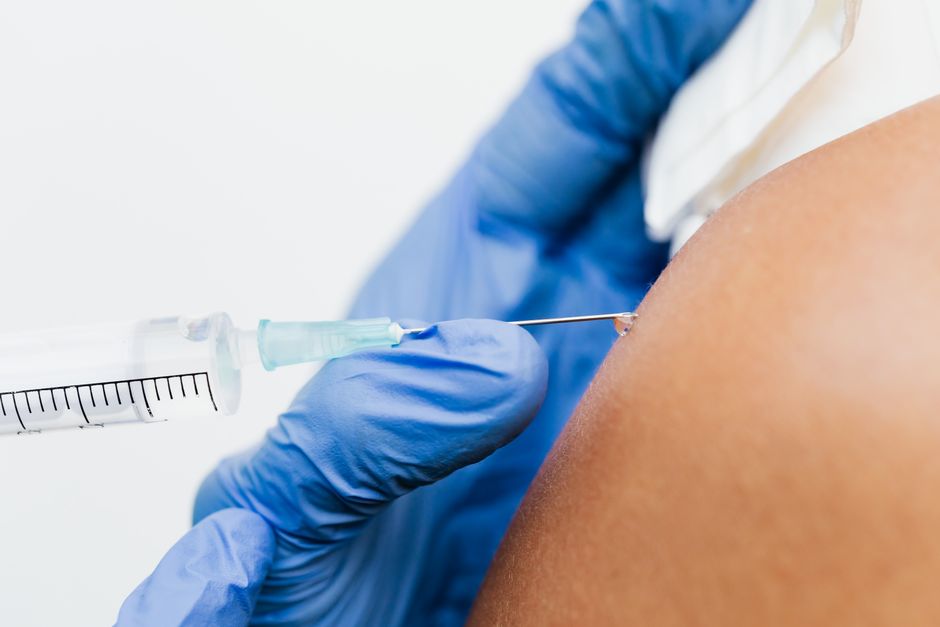
Vaccination is the single most effective way to prevent tetanus. The tetanus vaccine is one of the most reliable vaccines in medicine. It has been used for decades and has dramatically reduced cases worldwide.
In the United States, children typically receive a series of DTaP shots (diphtheria, tetanus, and pertussis) starting in infancy. A booster is usually given around age 11 or 12, called Tdap. Adults need a tetanus booster every 10 years, or sooner if they have a wound that could be contaminated.
The vaccine works by introducing a harmless, inactivated form of the toxin. Your immune system learns to recognize it and produces antibodies. If you are later exposed to the real toxin, those antibodies neutralize it before it can reach your nervous system.
Vaccination does not prevent the bacteria from entering your body. It prevents the toxin from causing harm. This distinction matters: even a vaccinated person can be colonized by C. tetani, but the toxin is neutralized before symptoms develop.
Wound care is the second pillar of prevention. Any break in the skin — even a small one — can allow spores to enter. Prompt cleaning reduces the risk that spores will find the low-oxygen environment they need to activate.
Which Wounds Are Most Dangerous?
Not all wounds carry the same risk. The danger depends on how deep the wound is, what contaminated it, and whether it created conditions where oxygen cannot reach the tissue.
Wounds that are more likely to allow tetanus spores to germinate include:
- Puncture wounds from nails, needles, or splinters
- Wounds contaminated with soil, manure, or saliva
- Deep cuts or crush injuries that damage tissue and reduce blood supply
- Burns
- Wounds containing dead tissue or foreign objects
- Compound fractures where bone breaks through skin
Clean, superficial scratches are less risky. But any wound that is dirty, deep, or caused by a puncture should be taken seriously.
Some people believe that a wound must be large or obviously dirty to pose a tetanus risk. That is not true. A small puncture from a garden thorn or a rusty nail can be enough. The size of the wound does not determine the risk — the depth and the oxygen environment do.





Proper Wound Care Steps
If you get a wound, act quickly. The steps below reflect general first-aid principles. They are not a substitute for medical evaluation when a wound is serious.
- Wash your hands before touching the wound.
- Stop any bleeding by applying gentle pressure with a clean cloth.
- Rinse the wound under clean running water for several minutes.
- Wash around the wound with mild soap. Try to keep soap out of the wound itself.
- Remove any visible dirt or debris with clean tweezers.
- Apply a thin layer of antibiotic ointment if you have it.
- Cover the wound with a sterile bandage or gauze.
- Change the dressing daily or whenever it becomes wet or dirty.
Do not use hydrogen peroxide or rubbing alcohol on the wound itself. These can damage healthy tissue and slow healing. They also do not kill tetanus spores.
See a doctor if the wound is deep, if you cannot clean it fully, if it was caused by a bite, if it contains embedded debris, or if it becomes red, swollen, warm, or painful in the days after injury.
When Do You Need a Tetanus Booster?
The standard recommendation is a tetanus booster every 10 years for adults. If you have a wound and it has been more than 5 years since your last booster, some guidelines suggest getting one sooner.
If you have a deep or dirty wound and you have never been vaccinated, or your vaccination history is unknown, you should seek medical care. A doctor may recommend both a tetanus booster and, in some cases, tetanus immune globulin (TIG). TIG provides immediate antibodies when your own immune response may be too slow.
The decision about whether you need a booster after a wound depends on two things: the type of wound and your vaccination history. A healthcare provider can assess both.
If you are unsure when you last had a tetanus shot, it is reasonable to ask your doctor. Many clinics can check immunization records or advise you based on your situation.
Who Is Most at Risk?
Tetanus is rare in countries with widespread vaccination, but it still occurs. People at higher risk include:
- Adults who have not kept up with booster shots
- People who have never been vaccinated
- People with diabetes, especially with foot wounds
- People who inject drugs
- People with compromised immune systems
- Newborns in areas without maternal vaccination programs
In the United States, most reported tetanus cases occur in adults who were either never vaccinated or did not receive recommended boosters. Older adults are disproportionately affected, partly because immunity can fade over time and boosters are sometimes missed.
Neonatal tetanus — which occurs in newborns — remains a significant problem in some parts of the world where mothers are not vaccinated. It is rare in countries with routine maternal immunization.
Common Myths About Tetanus
Several myths about tetanus persist. Here are the facts.
Myth: Rusty nails cause tetanus. The rust itself is not the problem. The issue is that a nail — rusty or not — can create a deep puncture wound where oxygen is low. The bacterium lives in soil, so a nail that has been in the ground is more likely to carry spores.
Myth: You only need a tetanus shot if you step on a nail. Any wound that breaks the skin can potentially allow tetanus spores to enter. Puncture wounds are higher risk, but they are not the only risk.
Myth: You can treat tetanus once symptoms start. There is no cure for tetanus once the toxin has bound to nerve tissue. Treatment focuses on managing symptoms and supporting breathing, but it cannot reverse the toxin’s effects. This is why prevention is so important.
Myth: If you had tetanus once, you are immune for life. Having tetanus does not necessarily produce lasting immunity. You still need vaccination.
What Happens If You Do Get Tetanus?
Tetanus symptoms usually appear between 3 and 21 days after exposure, with most cases developing around 8 days. The time from exposure to symptoms is called the incubation period.
Early signs include jaw stiffness (sometimes called lockjaw), muscle spasms, and difficulty swallowing. As the toxin spreads, spasms can affect the neck, back, abdomen, and limbs. Severe cases can cause breathing difficulty and fractures from intense muscle contractions.
Treatment in a hospital involves wound cleaning, antibiotics to kill the bacteria, tetanus immune globulin to neutralize unbound toxin, and supportive care — often in an intensive care unit. Recovery can take weeks to months.
Even with modern intensive care, tetanus can be fatal. The case fatality rate varies, but it is highest in newborns and older adults.
Frequently Asked Questions
How often do adults need a tetanus booster?
Adults need a tetanus booster every 10 years. If you have a deep or dirty wound and it has been more than 5 years since your last booster, you may need one sooner.
Can you get tetanus from a small cut?
Yes, any wound that breaks the skin can potentially allow tetanus spores to enter. Small puncture wounds are actually higher risk because they create a low-oxygen environment where the bacteria can grow.
Is there a cure for tetanus?
No, there is no cure once symptoms begin. Treatment focuses on managing symptoms and supporting breathing, which is why vaccination and prompt wound care are so important.
Does having tetanus once make you immune?
No, having tetanus does not guarantee lasting immunity. You still need to stay up to date with vaccination.
