
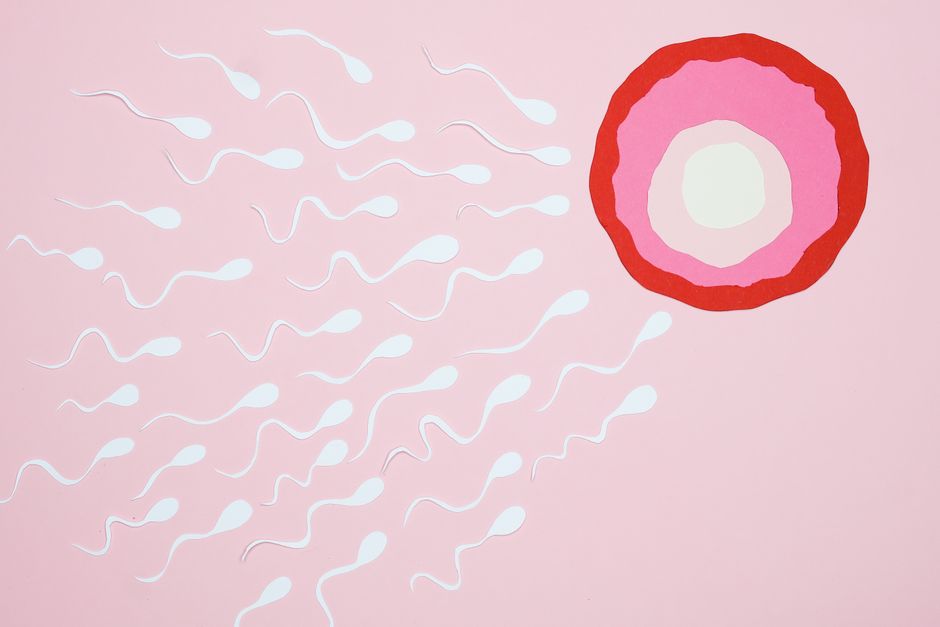
If sperm has already entered the body, the only emergency method that can prevent pregnancy is emergency contraception. You must take it quickly, because its effectiveness drops with every passing day. The two main options are the emergency contraceptive pill (often called the morning-after pill) or a copper intrauterine device (IUD) inserted by a clinician. Acting within 24 hours gives the best chance, but certain options work for up to 5 days after unprotected sex.
What Are My Options For Emergency Contraception?
You have two basic paths: a pill or an IUD. They work differently, and one is far more effective than the other.
The copper IUD is the most effective emergency contraceptive available. A clinician inserts it into the uterus within 5 days of unprotected sex. It works by creating an environment that is toxic to sperm and eggs, preventing fertilization. It is more than 99% effective at preventing pregnancy when inserted within this window.
The emergency contraceptive pill is easier to get but less effective. There are two types. One contains levonorgestrel, and the other contains ulipristal acetate. Both work by delaying ovulation. If you have already ovulated, the pill will not work.
How To Prevent Pregnancy After Sperm Enters The Body: Act Fast
Timing is everything with emergency contraception. The sooner you act, the better your chances.
Levonorgestrel pills (like Plan B One-Step) work best within 72 hours of unprotected sex. They are available over the counter at most pharmacies without a prescription or age check. Their effectiveness decreases as time passes, and they work less well if you weigh more than about 165 pounds.
Ulipristal acetate (like Ella) requires a prescription. It works up to 120 hours (5 days) after sex. It remains effective throughout that entire window, unlike levonorgestrel. It also works better than levonorgestrel for people who weigh more, though its effectiveness also decreases at higher weights.
Do not wait to see if you get pregnant. Emergency contraception is time-sensitive by design.
How Does Emergency Contraception Actually Work?
Understanding the mechanism helps you make the right choice. Emergency contraceptive pills do not end a pregnancy. They prevent one from starting.
Both types of emergency pills work primarily by delaying ovulation. Sperm can survive inside the female reproductive tract for up to 5 days. If you ovulate during that time, fertilization can occur. By delaying ovulation past the point of sperm survival, the pill gives your body time to clear the sperm naturally.
Levonorgestrel may also thicken cervical mucus, making it harder for sperm to swim toward the egg. Ulipristal acetate blocks progesterone, a hormone your body needs to trigger ovulation.
The copper IUD works differently. Copper ions are toxic to sperm and eggs. It also changes the lining of the uterus, making it inhospitable for implantation. This device prevents fertilization rather than delaying it.





Is There A “Natural” Way To Prevent Pregnancy After Sex?
No. There is no reliable natural method to prevent pregnancy once sperm has entered the body.
You may see advice online about douching, urinating, or using certain herbs or positions. None of these work. Douching can actually push sperm further into the cervix. Urinating does nothing because sperm enter through the vagina, not the urethra. No herb, supplement, or home remedy has been shown to prevent pregnancy after sex.
Some sources suggest high doses of vitamin C or other substances. No clinical evidence supports these claims. Relying on them instead of proven emergency contraception puts you at real risk of pregnancy.
When Should I Take A Pregnancy Test?
Emergency contraception is not 100% effective. You need to confirm whether it worked.
Take a pregnancy test about 3 weeks after the unprotected sex. Testing earlier can give a false negative because your body may not have produced enough of the pregnancy hormone hCG yet.
If your next period is more than 7 days late, take a test even if it has not been 3 weeks. A missed period is the most common early sign of pregnancy.
If the test is positive, contact a healthcare provider. They can confirm the pregnancy and discuss your options. If the test is negative, your emergency contraception worked or you were not at risk in the first place.
What If I Am Already Ovulating?
This is the critical limitation of emergency contraceptive pills. They only work before ovulation occurs.
If you are already ovulating when you take the pill, it will not prevent pregnancy. The sperm may have already met the egg. This is why the copper IUD is the more reliable option — it works regardless of where you are in your cycle.
If you do not know where you are in your cycle, you cannot know whether the pill will work. This uncertainty is built into the method. The copper IUD removes that uncertainty.
Some research suggests ulipristal acetate may also delay ovulation even when the luteinizing hormone surge has begun, but the evidence is not conclusive. The safest assumption is that once ovulation starts, pills lose their effectiveness.
What Are The Side Effects Of Emergency Contraception?
Emergency contraception is generally safe, but it is not side-effect free.
Levonorgestrel pills commonly cause nausea, headache, dizziness, and breast tenderness. Some people vomit. If you vomit within 2 hours of taking the pill, contact a pharmacist or clinician because you may need a second dose.
Ulipristal acetate causes similar side effects. Your next period may come earlier or later than expected. It may be heavier or lighter than usual. This is normal and not a sign that anything went wrong.
The copper IUD can cause cramping during insertion and heavier, more painful periods afterward. Some people experience spotting between periods for the first few months. These side effects typically settle over time.
If you experience severe abdominal pain, heavy bleeding, or signs of infection after IUD insertion, seek medical care promptly.
Can I Use Regular Birth Control As Emergency Contraception?
This is a common question, and the answer is specific. Yes, but only with the right pills and the right dose.
Some combined oral contraceptive pills can be used as emergency contraception. This is called the Yuzpe method. It involves taking a specific number of active pills within 72 hours of unprotected sex, then a second dose 12 hours later. The exact number depends on the brand and the dose of hormone in each pill.
Do not guess at this. Guessing the wrong dose can make the method ineffective or cause severe nausea. Call a pharmacist or clinician to confirm the correct number of pills for your specific brand.
Progestin-only pills (the mini-pill) can also be used, but again, the dose depends on the specific product. This is not a method to improvise on your own.
Regular birth control pills are less effective and cause more nausea than dedicated emergency contraception. They are a backup option when nothing else is available, not a first choice.
What Should I Do After Taking Emergency Contraception?
You are not done after taking the pill. You need a plan going forward.
Emergency contraception is a one-time intervention. It does not protect you from future pregnancies. If you have regular sex, you need an ongoing method of birth control.
You can start most regular birth control methods immediately after taking emergency contraception. Condoms, the pill, the patch, the ring, and the shot can all be started right away. If you choose a copper IUD for emergency contraception, it stays in place and provides ongoing protection for up to 10 years.
If you choose a hormonal IUD or implant, talk to a clinician about the best timing. Some methods require you to wait until your next period starts.
Use condoms or another barrier method until your next period to be safe. Emergency contraception does not protect against sexually transmitted infections.
Frequently Asked Questions
How soon after sex should I take emergency contraception?
Take it as soon as possible, ideally within 24 hours. The copper IUD works up to 5 days after sex, and some pills work up to 5 days, but earlier is always better.
Can I get pregnant if I take the morning-after pill?
Yes, it is possible. No emergency contraceptive is 100% effective, and the pill does not work if you have already ovulated.
Does the morning-after pill work if I am already pregnant?
No. Emergency contraception does not end an existing pregnancy. It only prevents pregnancy from starting.
Which is more effective: the pill or the IUD?
The copper IUD is significantly more effective than any emergency contraceptive pill. It is also the only option that continues to prevent pregnancy for years after insertion.
