
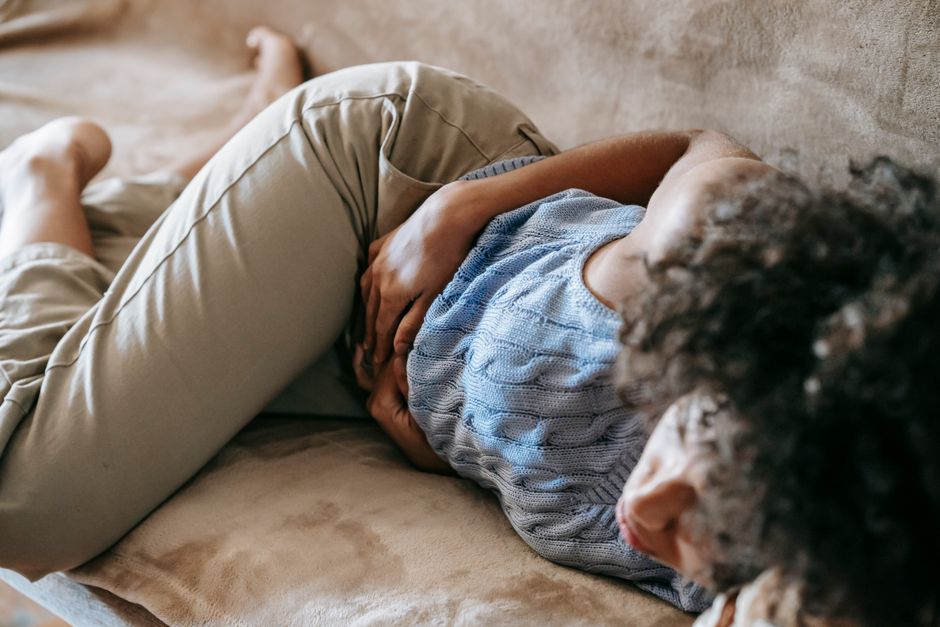
Yes, cramps in early pregnancy are normal for most women. Light, brief cramping is a common part of the first trimester as your uterus begins to stretch and grow. However, the type, location, and severity of the pain matter. Knowing the difference between typical pregnancy cramping and pain that needs medical attention is important for your peace of mind and safety.
What Causes Normal Cramping in Early Pregnancy?
Your body starts changing almost immediately after conception. These changes are the reason behind most early cramping.
In the first weeks, the fertilized egg implants into the uterine lining. This can cause mild cramping and light spotting, often called implantation bleeding. It usually happens around the time your period would have been due.
Your uterus is a muscle. As it starts to expand to make room for the growing embryo, it stretches. Ligaments that support the uterus also begin to pull. This stretching and pulling creates a feeling similar to menstrual cramps. It is typically dull and achy, and it comes and goes.
Hormones play a role too. Progesterone levels rise quickly in early pregnancy. This hormone relaxes smooth muscle tissue, including the bowel. Slower digestion can lead to gas, bloating, and constipation, all of which cause crampy abdominal discomfort that is easily mistaken for uterine cramping.
Are Cramps Normal In Early Pregnancy: Normal vs. Concerning
The key is learning to read the signals your body sends. Normal early pregnancy cramps feel like light period cramps. They are mild, intermittent, and located in the lower abdomen or lower back.
You should be more concerned if the pain is severe, sharp, one-sided, or persistent. Pain that gets progressively worse over hours or days is a red flag. So is cramping accompanied by heavy bleeding, fever, chills, or dizziness.
Ectopic pregnancy is a serious condition where the embryo implants outside the uterus, usually in a fallopian tube. One-sided pelvic pain that worsens over time is a classic sign. If you experience sharp pain on one side, especially with shoulder pain or lightheadedness, seek emergency care immediately.
Miscarriage is another concern. Cramping that is stronger than a period and comes with heavy bleeding, passing tissue, or a sudden loss of pregnancy symptoms warrants a call to your doctor right away. Not all bleeding means miscarriage, but it always requires evaluation.
Here is a quick breakdown of what to watch for:
- Likely normal: Mild, intermittent cramps that feel like a light period. No bleeding or only light spotting.
- Call your doctor: Cramps with any bleeding, pain that lasts more than a few minutes, or pain that gets steadily worse.
- Seek emergency care: Sharp one-sided pain, severe cramping, heavy bleeding, fever, chills, or fainting.
How Long Does Normal Cramping Last?
There is no single timeline that fits every pregnancy. Some women feel occasional cramping for the entire first trimester. Others only feel it for a few days around implantation.
In general, normal cramping is brief. It may last a few seconds or a few minutes. It should not be constant. If you are having cramps that last for hours without stopping, that is not typical.
As your pregnancy progresses into the second trimester, this type of cramping usually fades. The uterus has done most of its major stretching by then. If cramping continues or starts fresh in the second trimester, mention it to your provider.





What Helps Relieve Normal Pregnancy Cramps?
If your doctor has confirmed your pregnancy is progressing normally, there are safe ways to ease mild cramping discomfort.
Changing positions often helps. If you have been sitting or standing for a while, lie down on your side. Rest allows the uterine muscles to relax. Gentle movement, like a short walk, can also relieve gas and constipation cramps.
Heat can be soothing. A warm heating pad on a low setting placed on your abdomen or lower back can relax tense muscles. Do not use high heat, and do not place it directly on your bare skin. A warm bath is another option, but keep the water temperature comfortable, not hot.
Staying hydrated is important. Dehydration can trigger muscle cramps anywhere in the body, including the uterus. Drink water consistently throughout the day.
For gas and bloating, eating smaller meals more frequently helps. Slow down when you eat, and avoid foods that you know cause gas. Gentle physical activity, like prenatal yoga or walking, keeps the digestive tract moving.
Do not take over-the-counter pain medication without asking your doctor first. Ibuprofen and naproxen are generally not recommended during pregnancy. Acetaminophen is sometimes considered safe in limited doses, but you should always confirm with your provider before taking anything.
When Should You Call Your Doctor?
Trust your instincts. If something feels wrong, call. It is never a waste of your doctor’s time to check on the health of your pregnancy.
Call your doctor if you have any of the following:
- Bleeding that is heavier than light spotting
- Cramps that are severe or getting stronger
- Pain on only one side of your abdomen
- Pain that does not go away with rest or position changes
- Fever or chills with cramping
- Pain or burning when you urinate
- A sudden decrease in early pregnancy symptoms
These symptoms do not always mean something is wrong. Many women experience light bleeding and cramping and go on to have healthy pregnancies. But these signs deserve a professional evaluation. Your doctor can do an ultrasound and blood tests to determine what is happening.
Can Cramping Be a Sign of a Healthy Pregnancy?
Yes, in many cases cramping is actually a reassuring sign. It means your uterus is responding to the pregnancy and doing the work it needs to do.
As the embryo grows, the uterus expands. Blood flow to the pelvic area increases significantly. This increased flow can cause a feeling of fullness or pressure. The round ligaments that hold the uterus in place stretch and thicken. These are all active, healthy processes that produce mild cramping sensations.
Some women also feel cramping after an orgasm during pregnancy. This is due to uterine contractions triggered by the release of oxytocin. It is generally harmless, but if it is accompanied by bleeding or severe pain, contact your provider.
What About Cramps That Feel Like Period Pain?
Early pregnancy cramps often feel exactly like the cramps you get with your period. This confuses many women, and it is a common reason for wondering if your period is about to start.
The sensation is similar because both involve uterine muscle contractions. During a period, the uterus contracts to shed its lining. In early pregnancy, the uterus contracts as it stretches and grows. The location is the same — lower abdomen and lower back. The intensity is usually the difference. Period cramps can be strong. Early pregnancy cramps are typically milder.
If you are cramping and have not yet confirmed your pregnancy, take a test. Cramping alone is not a reliable sign of pregnancy, but combined with a missed period, breast tenderness, and fatigue, it adds up.
Frequently Asked Questions
Is it normal to have cramps at 5 weeks pregnant?
Yes, mild cramping at 5 weeks is normal as the uterus stretches and the embryo implants further. If the pain is severe or comes with heavy bleeding, call your doctor.
When should I worry about cramps in early pregnancy?
Worry if the cramps are severe, one-sided, or accompanied by heavy bleeding, fever, or dizziness. These can be signs of ectopic pregnancy or miscarriage and need immediate medical evaluation.
Can early pregnancy cramps feel like a period coming on?
Yes, early pregnancy cramps often feel exactly like mild period cramps in the lower abdomen and back. The uterine muscle is stretching and contracting, which produces a similar sensation.
Does cramping mean the baby is growing?
Mild cramping can be a sign that your uterus is stretching to accommodate the growing baby. It is a normal physiological response, though it is not an indicator of fetal health on its own.
