
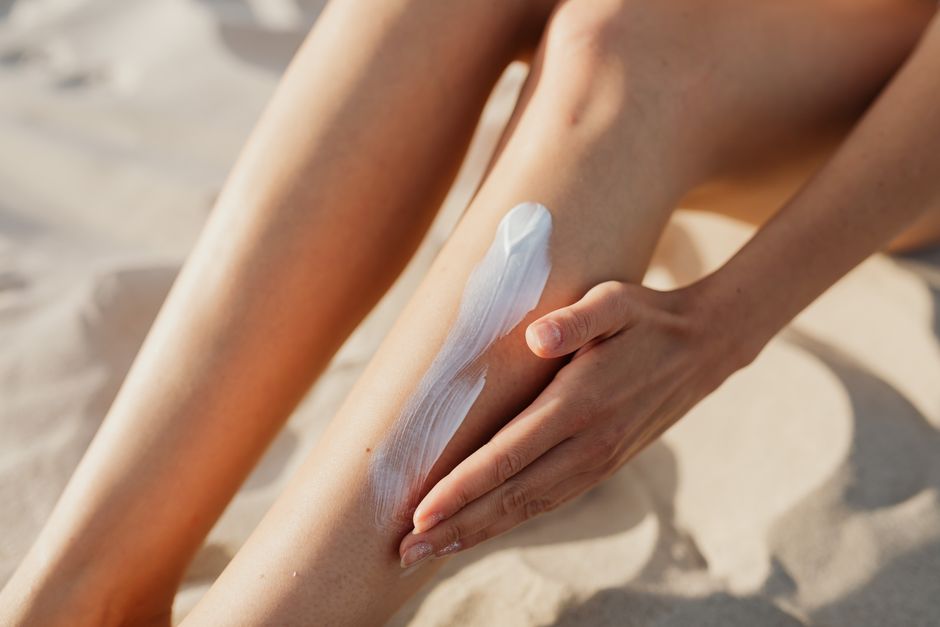
Leg chafing happens when skin rubs against skin or clothing, leading to irritation, redness, and pain. The most effective way to prevent it is to reduce friction before it starts by using a barrier product like an anti-chafe balm, wearing moisture-wicking clothing, or both. These methods work by creating a smooth, dry surface that allows skin to glide without burning or sticking.
What Actually Causes Leg Chafing?
Chafing is a friction injury. When your thighs rub together repeatedly, the top layer of skin gets irritated. Add sweat to the mix, and that irritation speeds up. Salt from sweat crystallizes and acts like sandpaper on already sensitive skin.
Heat and humidity make it worse. The American Academy of Dermatology notes that chafing is most common in warm weather or during exercise. People with larger thighs or those who walk or run long distances are more likely to experience it. But anyone can get chafing if conditions are right — or wrong.
Clothing matters too. Cotton absorbs sweat and stays wet. Wet fabric creates more friction than dry fabric. That is why runners and cyclists avoid cotton shorts for long workouts. The friction point is usually the inner thigh, but chafing can also happen where shorts hit the upper leg or where underwear bands rub.
How To Prevent Leg Chafing With Products That Work
Anti-chafe balms and sticks are the most direct solution. These products create a thin, waxy layer on the skin that reduces friction. They are not lotions — lotions absorb. Balms stay on the surface and act as a glide.
Look for products with ingredients like petrolatum, dimethicone, or shea butter. These are the ingredients dermatologists recommend for friction protection. Some popular brands include Body Glide, Monistat Chafing Relief Powder Gel, and Aquaphor. All three have been studied or recommended in clinical settings for reducing friction.
Powders can help some people but work differently. They absorb moisture rather than creating a barrier. Cornstarch-based powders are safer than talc-based ones. The American Cancer Society has raised concerns about talc and ovarian cancer, so cornstarch is the better choice. However, powders wear off faster than balms and may need reapplication during long activities.
| Product Type | How It Works | Best For |
|---|---|---|
| Anti-chafe balm or stick | Creates a waxy barrier on skin | Long runs, walks, or all-day wear |
| Powder | Absorbs moisture to reduce friction | Short activities or low-sweat conditions |
| Moisture-wicking shorts | Fabric pulls sweat away from skin | Any activity where you sweat |
| Petroleum jelly | Thick grease that reduces friction | Budget option, but messy on clothes |
Petroleum jelly works in a pinch but is greasy and can stain clothing. It also traps heat more than purpose-made balms. If you use it, apply a thin layer. Too much can make things worse by attracting dirt and lint.
What Clothing Choices Help Prevent Chafing
Clothing is your first line of defense. The right shorts or pants can stop chafing before it starts. Look for moisture-wicking fabrics like nylon, spandex, or polyester blends. These materials pull sweat away from the skin and dry quickly. Dry skin chafes less than wet skin.
Bike shorts or compression shorts are a common choice. They create a physical barrier between your thighs. The fabric moves with you instead of rubbing against your skin. Seam placement matters too. Shorts with flat seams or no inner thigh seams reduce friction points.
Some people wear longer shorts that cover the inner thigh completely. Others prefer leggings or tights. The key is fit — not too tight and not too loose. Tight clothing can rub in other places. Loose clothing bunches up and creates its own friction.
Underwear also plays a role. Boxer briefs with longer legs can protect the inner thigh. Seamless underwear reduces rubbing. Avoid cotton underwear during exercise. It holds moisture and increases friction. Research from the Textile Research Journal confirms that fabric type directly affects skin friction during movement.




How To Prevent Leg Chafing Before Exercise and During Long Days
Apply your anti-chafe product before you get dressed. This ensures full coverage on the areas that will rub. Focus on the inner thighs from the groin down to mid-thigh. If you wear shorts, also apply where the hem hits your leg.
Reapply if needed. Most balms last several hours, but high sweat or long duration can wear them away. Carry a small stick or sample size in your pocket or bag. Reapply when you feel the first hint of irritation — do not wait until it hurts.
Shower soon after exercise. Sweat left on the skin continues to irritate. Use a gentle cleanser and pat dry. Do not rub the area with a towel. Rubbing already irritated skin makes it worse. If you have chafing already, apply a zinc oxide cream like diaper rash cream. It soothes and protects while the skin heals.
For all-day events like walking tours, theme parks, or outdoor festivals, the same rules apply. Start with a barrier product and wear appropriate clothing. Reapply at lunchtime or when you feel any warmth on your thighs. Prevention is easier than treating raw skin later.
What To Avoid When Trying To Prevent Leg Chafing
Avoid using regular body lotion as a chafe preventer. Lotion absorbs into the skin and disappears within minutes. It provides no lasting barrier and can actually make skin stickier. Stick with products designed to stay on the surface.
Do not ignore early signs of chafing. A mild burning sensation or pink skin is a warning. If you keep going, the skin can break open and become raw. Once the skin is broken, you cannot exercise comfortably until it heals. That can take several days.
Avoid wearing new shorts or pants for a long activity without testing them first. Try them on a short walk or run. Some fabrics rub in unexpected places. A seam that feels fine for 10 minutes can cause a painful blister after two hours.
Do not assume shaving or not shaving prevents chafing. There is no strong evidence either way. Some people report less friction with shaved legs. Others say stubble irritates more. The research is not clear, so do what feels best for your skin.
Common Misconceptions About Leg Chafing Prevention
One common myth is that only overweight people get chafing. That is not true. Runners with very low body fat still get chafing because their thighs touch when they run. It is about anatomy and gait, not body size. Anyone whose thighs rub together during movement is at risk.
Another misconception is that chafing only happens in summer. It is more common in heat and humidity, but winter chafing happens too. Cold weather exercise often involves layers. Layers can rub against each other and against the skin. Wet snow gear or sweat trapped under winter clothing creates the same friction problem.
Some people think that wearing nothing under shorts prevents chafing. Going commando does not help. The skin-on-skin friction is still there. You need a barrier between your thighs, whether that is a product, fabric, or both. Skin rubbing directly against skin creates the most friction of all.
There is also a belief that anti-chafe products are only for athletes. This is widely claimed, but strong evidence is limited to show they are unnecessary for non-athletes. Many people use them for everyday activities like walking, gardening, or wearing skirts in hot weather. If your thighs rub, you benefit regardless of your activity level.
Frequently Asked Questions
What is the best product to prevent leg chafing?
Anti-chafe balms like Body Glide or Monistat Chafing Relief Powder Gel are the most effective because they stay on the skin and reduce friction for hours.
Can baby powder stop leg chafing?
Baby powder can help by absorbing moisture, but it wears off faster than balms and may need reapplication during long activities.
Do compression shorts prevent chafing?
Yes, compression shorts create a fabric barrier between your thighs and keep skin from rubbing together directly.
How do you treat chafed legs once they hurt?
Clean the area gently, pat dry, and apply zinc oxide cream or petroleum jelly to protect the skin while it heals.
