
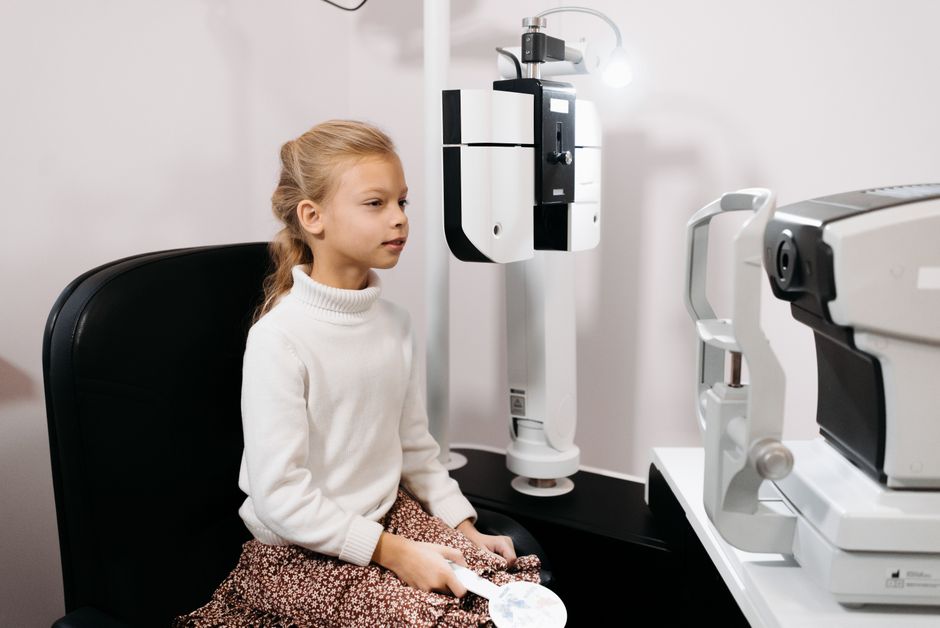
Nearsightedness, or myopia, is not something you can simply reverse with eye exercises or diet. However, you can take specific, evidence-based steps to slow its progression, especially in children and teenagers. The most effective strategies involve spending more time outdoors, using specially designed contact lenses or atropine eye drops, and limiting prolonged close-up work.
Why Does Nearsightedness Get Worse?
Myopia happens when the eyeball grows too long from front to back. This causes light to focus in front of the retina instead of directly on it, making distant objects blurry. Once the eye has finished growing—usually in the early twenties—the prescription typically stabilizes.
In children, the eye is still developing. The elongation of the eyeball is driven by both genetics and visual experience. If a child has two myopic parents, their risk is significantly higher. But genes alone do not tell the full story. Environmental factors, particularly how much time a child spends focusing on near objects versus looking at distant ones, play a major role in how quickly myopia worsens.
Research consistently shows that children who spend more time outdoors are less likely to develop myopia. The current thinking is that bright outdoor light stimulates the release of dopamine in the retina, which acts as a brake on excessive eye growth.
How To Prevent Nearsightedness From Getting Worse
Preventing myopia progression requires a deliberate plan. Standard eyeglasses correct the blur but do not slow the underlying growth of the eye. For that, you need treatments that specifically address the mechanism of elongation.
The most established methods are low-dose atropine eye drops, specialized contact lenses, and orthokeratology. These are not home remedies. They are clinical treatments prescribed and monitored by an eye care professional. The choice depends on the child’s age, the rate of progression, and the family’s preferences.
It is also important to manage screen time and reading habits. The evidence is not as strong as the outdoor-light research, but prolonged near work—especially at very close distances—is associated with faster myopia progression in some studies.
Does Spending Time Outdoors Really Help?
Yes. This is one of the most consistent findings in myopia research. Studies in several countries have shown that increasing outdoor time to roughly two hours per day reduces the risk of developing myopia and slows its progression in children who already have it.
The mechanism is not fully understood, but bright light appears to be the key factor. Indoor lighting, even in well-lit rooms, is far dimmer than natural daylight. Outdoor light intensity is typically tens of thousands of lux, while indoor lighting is usually only a few hundred. This difference in brightness is thought to trigger retinal dopamine release, which inhibits axial elongation.
This does not mean a child should stare at the sun. It simply means unstructured outdoor play, sports, or walking in daylight hours offers measurable protection. The effect is strongest when the time outdoors is consistent and starts early.


What Are the Most Effective Treatments?
Several treatments have strong clinical evidence behind them. They are not experimental. They are used in clinical practice worldwide.
- Low-dose atropine eye drops: Atropine dilates the pupil and temporarily paralyzes the focusing muscle. Low concentrations, typically 0.01% or 0.05%, have been shown in large trials to slow myopia progression with minimal side effects. The exact dose matters, and it should only be used under an eye doctor’s supervision.
- Orthokeratology (Ortho-K): These are rigid contact lenses worn overnight. They temporarily reshape the cornea so the child sees clearly during the day without glasses. Multiple studies show Ortho-K slows axial elongation compared to regular glasses.
- Multifocal and peripheral defocus contact lenses: These soft contact lenses are designed to create peripheral defocus, which signals the eye to slow its growth. Clinical trials have shown they reduce progression by roughly 40-60% compared to standard single-vision lenses.
- Specialized spectacle lenses: Some newer spectacle lenses use lenslets or segments to create peripheral defocus. These are less effective than contact lenses and atropine but are a valid option for children who cannot wear contacts.
These treatments are not interchangeable. A pediatric optometrist or ophthalmologist will assess the child’s specific situation and recommend one or a combination of approaches. Combining atropine with Ortho-K or multifocal contacts has shown additive benefits in some research.
How Do These Treatments Compare?
| Treatment | How It Works | Evidence Strength | Considerations |
|---|---|---|---|
| Low-dose atropine drops | Slows eye growth via retinal signaling | Strong—multiple large clinical trials | Requires daily use; mild light sensitivity possible |
| Orthokeratology | Overnight reshaping of cornea | Strong—many longitudinal studies | Rigorous hygiene required to prevent eye infections |
| Multifocal soft contacts | Peripheral defocus slows elongation | Strong—randomized controlled trials | Daily wear and care; good for older children |
| Peripheral defocus spectacles | Lenslets create defocus | Moderate—some trials show benefit | Non-invasive; easier for young children |
Does Reducing Screen Time Prevent Worsening?
The relationship between screen time and myopia progression is more complex than public messaging suggests. Some studies show a link between heavy near work and faster progression. Others find no significant association once outdoor time is accounted for.
What seems to matter is not the screen itself but the viewing distance and duration. Holding a phone or tablet very close to the face for hours creates sustained accommodative demand. This is different from reading a book at a normal distance, though both involve near focusing.
The practical guidance is to encourage children to hold screens at arm’s length, take regular breaks to look into the distance, and balance screen time with outdoor activity. There is no strong evidence that blue-light filters or special screen glasses slow myopia progression.
Can Eye Exercises or Diets Help?
No. Eye exercises, vision training, and dietary supplements have not been shown to prevent myopia progression. Some vision therapy programs claim to strengthen eye muscles or improve focusing ability, but myopia is a structural condition—the eyeball is too long. Exercising the muscles around it does not change its length.
Marketing for these products often uses language like “natural vision improvement” or “reverses nearsightedness.” No clinical evidence supports these claims. The same applies to supplements like lutein or omega-3s. They may support general eye health, but they do not slow axial elongation.
Be cautious of any product or program that promises to cure myopia. The only interventions with proven effect are those that alter visual input or retinal signaling—the ones discussed above.
At What Age Should Myopia Control Begin?
Earlier is better. Myopia typically begins between ages 6 and 12 and progresses fastest during the elementary and middle school years. If a child becomes myopic at age 7, they will likely have a higher final prescription than a child who becomes myopic at age 14.
Eye doctors generally recommend starting myopia control as soon as the condition is detected and the child is old enough to comply with the treatment. For atropine drops, this can be quite young. For contact lenses, most children can manage them by age 8 to 10 with proper training and supervision.
Regular eye exams are essential. A child with myopia should be examined at least annually, and more frequently if they are receiving treatment. This allows the doctor to measure axial length and adjust the treatment plan as needed.
Frequently Asked Questions
Can nearsightedness be reversed naturally?
No. Myopia is caused by the eyeball growing too long, and no exercise, diet, or natural remedy can shorten it. Treatment can slow further progression, but existing myopia cannot be reversed without surgery.
At what age does myopia stop getting worse?
Myopia usually stabilizes in the early twenties when the eye stops growing. However, some adults experience continued progression, particularly with prolonged near work.
Is it safe to use atropine drops for children?
Yes, when prescribed and monitored by an eye doctor. Low-dose atropine has a strong safety record, with the most common side effect being mild light sensitivity that is manageable with sunglasses.
Does wearing glasses make myopia worse?
No. Wearing glasses does not worsen myopia. Undercorrecting or not wearing glasses causes blurred vision and eye strain, but it does not change the rate of eyeball growth.
