
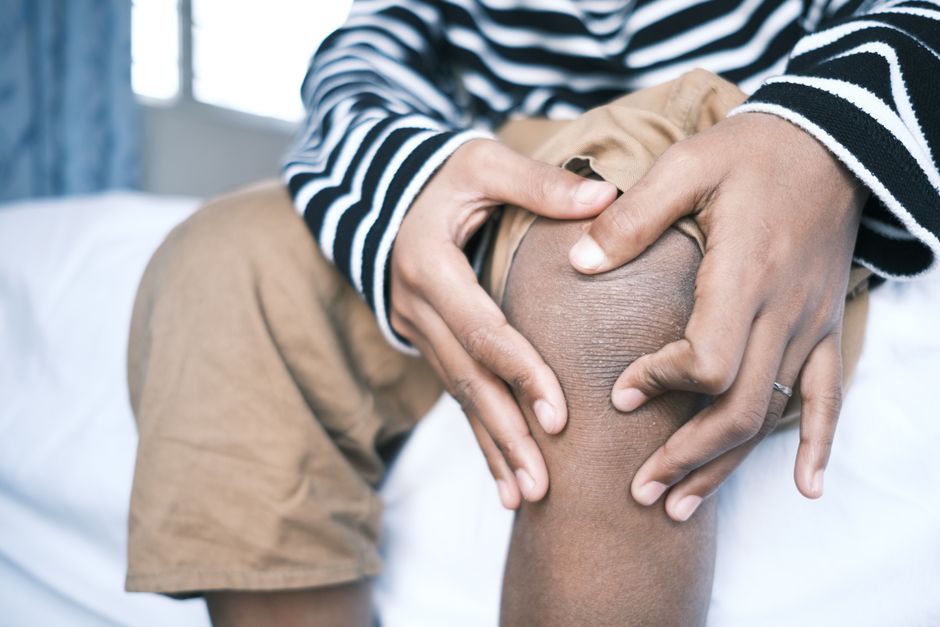
Knee injuries are common, and the ACL (anterior cruciate ligament) is one of the most frequently injured structures in the joint. You can lower your risk by strengthening the muscles around your knee, improving your landing mechanics, and training your balance. These strategies are supported by sports medicine research and are used by physical therapists and athletic trainers every day.
What Exactly Is the ACL and Why Does It Tear?
The ACL is a strong band of tissue that connects your thigh bone (femur) to your shin bone (tibia). Its main job is to keep your shin from sliding too far forward. It also provides rotational stability when you pivot or change direction.
Most ACL tears do not happen from direct contact. They happen during sudden stops, jumps, or cuts. When you land awkwardly or twist with your knee nearly straight, the ligament can stretch too far and tear. Women and girls have higher rates of ACL injury than men, partly due to differences in muscle strength and landing patterns.
How To Prevent Knee Injury And Lower Your Acl Risk
The most effective programs combine several elements. You need strength, balance, and proper movement technique. Doing only one of these is not enough.
Research consistently shows that neuromuscular training programs reduce ACL injuries. These programs teach your muscles and nerves to work together. They focus on how you land, how you cut, and how you stop. The goal is to train your body to move in safer patterns before fatigue sets in.
Strength Training That Protects the Knee
Strong leg muscles act as shock absorbers. When your quadriceps and hamstrings are strong, they take force away from the ligament.
Hamstring strength matters especially. The hamstring works against the ACL. When the hamstring is strong and fires at the right time, it reduces the forward slide of the shin bone. Include exercises like Romanian deadlifts, hamstring curls, and glute bridges.
Glute strength also matters more than most people realize. Weak glutes allow your knee to cave inward during squats, lunges, and landings. That inward collapse puts strain on the ACL. Exercises like side-lying leg lifts, clamshells, and lateral band walks target the gluteus medius specifically.
Aim for two to three strength sessions per week. You do not need heavy weights to start. Bodyweight exercises with perfect form build a solid foundation. Add resistance gradually as your form improves.




Landing Mechanics: How You Land Changes Everything
How you land from a jump is one of the strongest predictors of ACL injury risk. Landing with your knees straight and your legs stiff sends shock straight through the ligament. Landing with soft, bent knees lets your muscles absorb that force.
Practice landing softly. Your knees should bend when your feet hit the ground. Your knees should also track over your toes, not cave inward. Think about landing quietly. If you hear a heavy thud, you are landing too stiff.
Jump training programs teach this skill. Start with small jumps and progress gradually. A simple exercise is jumping off a low step and landing softly with bent knees. Hold the landing for two seconds before standing up. This builds both strength and awareness.
During sports, fatigue changes your landing mechanics. When you are tired, you land stiffer and with worse alignment. This is why conditioning matters. A fatigued athlete is a higher-risk athlete, even with perfect technique when fresh.
Balance and Neuromuscular Control
Balance training improves the communication between your brain and your muscles. When you wobble, your knee needs to react quickly to stay stable. Training that reaction time reduces injury risk.
Single-leg balance is a good starting point. Stand on one leg for 30 seconds. Progress to closing your eyes or standing on an unstable surface like a foam pad. Once basic balance is easy, add movement. Single-leg squats and single-leg reaches train balance while your knee moves through its range.
Plyometric exercises are the next level. These are explosive movements like jumping and hopping. They train your muscles to react quickly. But they are only appropriate once you have solid strength and balance. Starting plyometrics too early can do more harm than good.
What Actually Works: Evidence-Based Prevention Programs
Several structured programs exist that combine strength, balance, and jumping. The FIFA 11+ program is one example. It was designed for soccer players but the principles apply to most sports. It takes about 20 minutes and replaces the standard warm-up.
These programs typically include running exercises, strength exercises, and jumping drills. They emphasize proper knee alignment throughout. Studies have found that teams using these programs have fewer ACL injuries than teams that do not.
The key is consistency. A prevention program only works if you do it regularly. Doing it once a week is better than nothing, but two to three times per week is the standard recommendation. The benefits fade if you stop.
Who Should Start ACL Prevention Training?
Anyone who plays sports with jumping, cutting, or pivoting should consider this training. That includes basketball, soccer, volleyball, tennis, and skiing. Even recreational athletes benefit.
Teenage athletes are a priority group. The highest rates of ACL injury occur in adolescents and young adults. Starting prevention training early builds habits that last. Young athletes also respond well to these programs because their brains and bodies are still developing motor patterns.
People recovering from a previous knee injury should also focus on prevention. Having one ACL tear raises the risk of tearing the other ACL. Rehabilitation after surgery is essentially a long prevention program. Following through with physical therapy reduces the chance of re-injury.
What Does Not Prevent ACL Injuries
Knee braces are a common question. The evidence that braces prevent first-time ACL injuries is limited. Some athletes wear them after surgery for confidence, but research does not clearly show they protect the ligament. Do not rely on a brace as your primary prevention strategy.
Shoes matter for traction but not in the way people expect. Shoes that grip the ground too well can increase the twisting force on your knee. This is why cleat design is a balance between traction and release. No specific shoe has been proven to prevent ACL tears.
Stretching alone does not prevent ACL injuries. Flexibility is healthy, but static stretching before exercise has not been shown to reduce ligament injury risk. The protective effect comes from strength and movement quality, not from touching your toes.
Warning Signs You Should Not Ignore
Sometimes an ACL tear happens despite your best efforts. Knowing the warning signs helps you get treatment quickly. A tear often produces a popping sound or sensation. The knee usually swells within a few hours. You may feel the knee give way or buckle.
If you suspect an ACL injury, stop activity immediately. Continuing to play on an unstable knee can damage other structures like the meniscus. See a healthcare provider for an evaluation. They may refer you for an MRI to confirm the diagnosis.
Not all ACL tears require surgery. Some people do well with physical therapy alone, especially if they do not play high-demand sports. The decision depends on your age, activity level, and the degree of instability. An orthopedic specialist can help you weigh the options.
Frequently Asked Questions
How long does it take to prevent an ACL injury with training?
Most prevention programs show benefits within a single sports season, roughly three to four months of consistent training. The protective effect comes from practicing the movements regularly, not from a one-time session.
Can you prevent an ACL tear completely?
No training program eliminates the risk entirely, but neuromuscular training significantly reduces it. Some injuries happen from direct contact or awkward landings that no amount of preparation can fully prevent.
Are ACL injuries more common in women?
Yes, female athletes have higher rates of ACL injury than male athletes in similar sports. Differences in muscle strength, landing patterns, and joint laxity all contribute to this increased risk.
Is it safe to exercise with a previous ACL injury?
Yes, but only after proper rehabilitation and with medical clearance. Returning to sport too early raises the risk of re-injury. A structured rehab program that restores strength and balance is essential before high-demand activities.
