
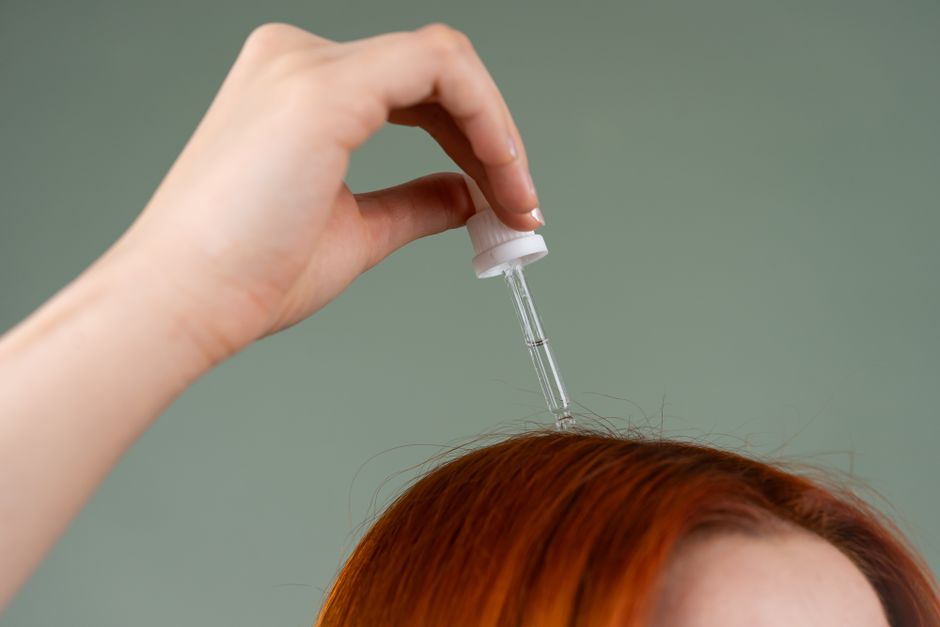
Hair loss is common, and the worry that comes with it is real. While you cannot change your genetics, you can influence several factors that contribute to hair shedding. Preventing alopecia hair loss starts with understanding the type of loss you are dealing with, as treatment differs based on the cause. The most effective approach combines proven medical treatments for hereditary loss with good hair care habits and attention to your overall health.
What Causes Alopecia in the First Place?
Alopecia is the medical term for hair loss. It is not a single disease but a symptom with many possible causes. Knowing which type you have is the first step toward prevention.
The most common form is androgenetic alopecia, also known as male or female pattern baldness. This is genetic and hormone-related. It occurs when hair follicles become sensitive to dihydrotestosterone (DHT), a derivative of testosterone. Over time, DHT shrinks the follicles, and each new hair grows back thinner and shorter until the follicle stops producing hair entirely.
Another common type is telogen effluvium. This is a temporary shedding that happens after a physical or emotional stressor. Childbirth, major surgery, rapid weight loss, or severe illness can push many hair follicles into a resting phase at the same time. About 2 to 3 months later, those hairs fall out at once. This type usually resolves on its own when the stressor is removed.
Alopecia areata is an autoimmune condition. The immune system attacks hair follicles, causing patchy hair loss. In some cases, it can progress to total scalp hair loss, but many people experience regrowth without treatment.
Other causes include certain medications, thyroid disorders, iron deficiency, and tight hairstyles that pull on the hair roots, a condition called traction alopecia.
How to Prevent Alopecia Hair Loss When It Runs in Your Family
You cannot prevent genetic hair loss entirely. If you have the genes for it, the process will likely begin at some point. But you can slow it down significantly if you act early.
The most important step is starting treatment when you first notice thinning. Hair follicles shrink gradually. Once a follicle has been dormant for years, it is much harder to revive. Early intervention gives you the best chance of keeping the hair you still have.
For men, the most widely used options are minoxidil and finasteride. Minoxidil is a topical solution applied directly to the scalp. It stimulates hair follicles and prolongs the growth phase. Finasteride is an oral medication that blocks the enzyme responsible for converting testosterone to DHT. Both have strong evidence behind them, but they must be used consistently. If you stop, the hair loss resumes within months.
For women, minoxidil is the primary proven treatment. Oral finasteride is sometimes prescribed off-label, but evidence for its effectiveness in women is less consistent. Some women also benefit from spironolactone, an oral medication that has anti-androgen effects, though the evidence base is smaller than for minoxidil.
Low-level laser therapy is another option. Devices that emit red light into the scalp have shown modest benefits in clinical trials. The effect is generally weaker than medication, but some people find it helpful as an addition.
What Role Does Diet Play in Preventing Hair Loss?
Hair is made of protein, and it requires certain vitamins and minerals to grow properly. Nutritional deficiencies can cause shedding, but supplements will not regrow hair if you are already getting enough of these nutrients.
Iron deficiency is a well-established cause of hair loss, particularly in women. Low ferritin levels, which indicate stored iron, have been linked to shedding. If you are experiencing unusual hair loss, a blood test can check your iron status. Do not supplement with iron without testing first, as excess iron can be harmful.
Vitamin D deficiency has also been associated with hair loss, though the exact mechanism is not fully understood. Some research suggests that vitamin D plays a role in the hair growth cycle. If your levels are low, correcting them may help, but the evidence that high-dose vitamin D prevents hair loss in people with normal levels is weak.
Several other nutrients matter for hair health:
- Protein — hair follicles need adequate protein to produce hair. Severe protein restriction can trigger shedding.
- Zinc — deficiency can cause hair loss, but supplementation only helps if you are actually deficient.
- Biotin — deficiency is rare, and most people do not benefit from biotin supplements. High doses are popular in marketing but lack strong evidence for preventing hair loss.
- Omega-3 fatty acids — some studies suggest anti-inflammatory benefits, but evidence for direct hair regrowth is limited.
A balanced diet that includes lean protein, fruits, vegetables, and healthy fats is the most reliable nutritional approach. There is no single food or supplement that prevents pattern baldness.
Can Stress Management Actually Prevent Hair Shedding?
Yes, but only for stress-related hair loss. If your shedding is caused by telogen effluvium, reducing stress can help your hair cycle return to normal. If your loss is genetic, stress management will not stop it.
Chronic stress raises cortisol levels, which can disrupt the hair growth cycle. High cortisol may push more follicles into the resting phase and shorten the growth phase of hairs that are actively growing. Over time, this can lead to noticeable thinning.
The evidence for stress reduction techniques specifically preventing hair loss is indirect. Research clearly shows that stressful life events can trigger shedding. It follows logically that managing stress may reduce that trigger, but no large trials have confirmed that meditation or therapy prevents hair loss.
What is clearer is that stress often leads to behaviors that worsen hair loss. People under stress may sleep poorly, eat poorly, or neglect their hair care routine. Addressing those downstream effects is a practical way to protect your hair.
Which Hair Care Habits Protect Your Scalp and Follicles?
How you treat your hair and scalp on a daily basis matters more than most people realize. Poor habits do not cause genetic baldness, but they can accelerate shedding and cause breakage that mimics hair loss.
Be gentle when your hair is wet. Wet hair is more elastic and more prone to breakage. Use a wide-tooth comb rather than a brush, and avoid vigorous towel drying. Pat the hair dry instead of rubbing.
Limit heat styling. Flat irons, curling irons, and blow dryers set to high heat can damage the hair shaft, causing it to break off near the root. If you use heat, apply a heat protectant product and keep the temperature as low as possible.
Avoid tight hairstyles. Ponytails, buns, braids, and weaves that pull on the hair can cause traction alopecia. This is a form of hair loss caused by physical tension on the follicle. It is fully preventable. If you notice soreness or tenderness around your hairline, your style is too tight.
Chemical treatments like relaxers, perms, and aggressive coloring can weaken the hair shaft. This does not affect the follicle itself, but it can cause breakage that makes hair look thinner. Give your hair time between chemical treatments.
When Should You See a Doctor About Hair Loss?
See a doctor if your hair loss is sudden, patchy, or accompanied by other symptoms. Rapid shedding that leaves visible bald spots warrants a medical evaluation. It may indicate an autoimmune condition, a thyroid problem, or another underlying issue that needs treatment.
You should also see a doctor if your hair loss is causing you significant distress. Hair loss affects quality of life for many people. There is no reason to wait until the loss is advanced before seeking help.
A doctor can perform a scalp examination and order blood tests to check for common causes like iron deficiency, thyroid dysfunction, and vitamin deficiencies. In some cases, a scalp biopsy may be needed to confirm the diagnosis.
Dermatologists are the specialists most experienced with hair disorders. If your primary care doctor cannot identify the cause, ask for a referral to a dermatologist who focuses on hair loss.
Frequently Asked Questions
Can alopecia be reversed with treatment?
Androgenetic alopecia cannot be cured, but it can be slowed and partially reversed with early treatment. Telogen effluvium and many cases of alopecia areata can resolve on their own.
Does wearing hats cause hair loss?
No, wearing hats does not cause hair loss. Hats do not restrict blood flow to the follicles or pull on the hair roots.
How long does it take to see results from hair loss treatment?
Most treatments require 3 to 6 months of consistent use before visible improvement appears. Initial shedding may increase in the first few weeks of using minoxidil before new growth begins.
Does washing hair more often make hair loss worse?
No, washing does not cause hair loss. Hair that falls out during washing was already shed from the follicle and was simply waiting to be dislodged.
