
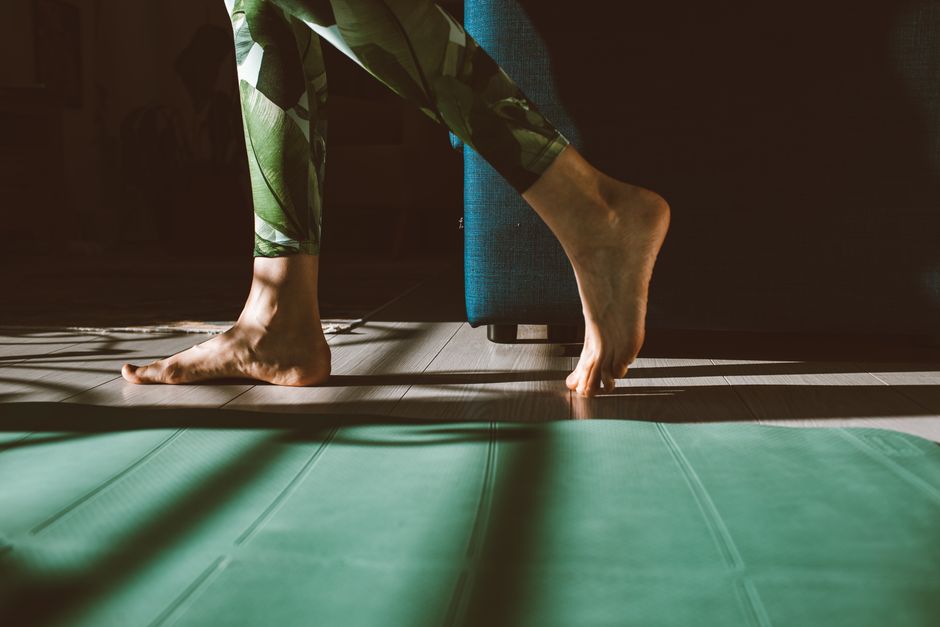
Most toddlers have flat feet, and for the vast majority, it is a normal part of development. The arch often does not fully form until around age six. You cannot always prevent flat feet because genetics play a large role, but you can support healthy foot development with proper shoe choices and specific play activities. Focus on letting your child walk barefoot on safe surfaces and choosing flexible, wide-toe shoes — these are the most effective steps you can take.
Why Do Toddlers Have Flat Feet?
Babies are born with flat feet. The arch is hidden by a fat pad that sits on the sole of the foot. As your child grows, this fat pad shrinks and the bones, muscles, and ligaments strengthen.
Most children develop a visible arch by age six. Some children never develop a high arch, and that is usually fine. Flat feet in children are often painless and require no treatment at all.
In a small number of cases, flat feet can cause pain or difficulty walking. This is not something you can prevent with shoes or exercises. If your child complains of foot pain, limps, or seems clumsy beyond normal toddler behavior, talk to your pediatrician.
What Kind of Shoes Help Toddlers’ Feet?
The best shoe for a toddler is often no shoe at all. Barefoot walking strengthens the small muscles in the feet that support the arch. Safe indoor surfaces and grass outdoors are ideal for this.
When shoes are necessary, choose ones that do not restrict movement. Look for these features:
- Flexible soles. The shoe should bend easily with your fingers. If you cannot bend it, it is too stiff.
- Wide toe box. Toes need room to spread out. Cramped shoes can crowd the foot.
- Flat sole. Avoid shoes with arch support or heel elevation for everyday toddler wear.
- Lightweight materials. Heavy shoes tire little legs and can change the way a child walks.
- Secure fit. Shoes should stay on without being tight. Check the fit every few months — toddler feet grow quickly.
Avoid hand-me-down shoes from other children. Shoes mold to the previous wearer’s foot shape. A shoe that fits one child’s foot may rub or compress another child’s foot in the wrong places.
How To Prevent Flat Feet In Toddlers Shoes Exercises
Exercises cannot guarantee an arch will form. Genetics determine foot structure. However, exercises can strengthen foot muscles and improve balance and coordination. Strong foot muscles support the arch and may reduce the risk of pain later.
Make these exercises part of regular play. Do not force them — if your toddler resists, try again another day. Short, fun sessions work better than long, structured ones.
- Walking on tiptoes. This strengthens the calf muscles and the muscles in the foot. Make it a game — pretend to be a giraffe or reach for something high.
- Picking up objects with toes. Use soft toys, socks, or large pom-poms. Have your child grab them with their toes and drop them into a bucket.
- Walking on uneven surfaces. Grass, sand, or a soft play mat challenges the small muscles in the feet. This is one of the best natural exercises.
- Heel walking. Walk on heels for a few steps at a time. This strengthens the front of the leg and the foot muscles.
- Standing on one foot. Balance exercises build strength in the foot and ankle. Hold your child’s hand at first.
These activities are safe for most toddlers. If your child has a known medical condition or developmental delay, check with your pediatrician before starting new physical activities.
When Should You Worry About Flat Feet?
Most flat feet in toddlers are flexible flat feet. This means the arch appears when the child sits or stands on tiptoes but disappears when standing flat. Flexible flat feet are normal and rarely cause problems.
Rigid flat feet are different. The arch does not appear even when the child sits or stands on tiptoes. This is less common and may require medical evaluation.
See a doctor if you notice any of these signs:
- Pain in the foot, ankle, or leg
- Limping or favoring one foot
- Difficulty walking or running compared to other children the same age
- Uneven shoe wear
- Stiffness in the foot
These symptoms can indicate conditions beyond typical flat feet. A pediatrician can determine if a referral to a foot specialist is needed.
Do Arch Supports or Special Shoes Help?
Most children with flat feet do not need arch supports or orthotics. Research does not support using them preventively in toddlers who have no pain or difficulty walking.
Some children with painful flat feet may benefit from orthotics, but this decision should be made by a doctor. Do not buy over-the-counter arch supports for a toddler without medical advice. They can cause discomfort and do not change the underlying foot structure.
Likewise, “corrective” shoes marketed as fixing flat feet are not supported by strong evidence. A flexible, well-fitting shoe is the best choice for a toddler’s developing foot.
What About Barefoot Shoes?
Barefoot shoes have grown in popularity. These are minimalist shoes with thin soles and wide toe boxes. They aim to mimic the experience of walking barefoot while protecting the feet from surfaces.
For toddlers, barefoot-style shoes are generally a reasonable choice. They allow natural foot movement and toe spread. However, the evidence comparing them to regular flexible shoes is limited.
What matters most is that the shoe is flexible and fits well. Whether it is labeled “barefoot” or not is less important than these basic features.
How To Check If Shoes Fit Properly
Toddlers cannot tell you if a shoe is uncomfortable. You need to check regularly. Feet grow quickly at this age — sometimes a half size every few months.
Check the fit this way:
- Press your thumb between the longest toe and the end of the shoe. There should be about a thumb’s width of space.
- Check the width. The shoe should not leave marks on the skin when removed.
- Feel inside the shoe for rough seams or stiff areas.
- Watch your child walk. They should not trip, stumble, or seem unsteady in a new way.
If a shoe is worn unevenly or your child resists wearing it, the fit may be wrong. Replace shoes as soon as they seem tight.
Common Myths About Toddler Flat Feet
Several myths circulate about flat feet in children. Here is what the evidence actually shows.
Myth: Flat feet always cause problems later. Most children with flat feet have no pain or functional issues as adults. Flat feet alone do not predict future problems.
Myth: Shoes with arch support will make the arch grow. No evidence supports this. Arch supports change how weight is distributed but do not change foot structure.
Myth: Wearing shoes too early causes flat feet. Shoes do not cause flat feet. However, overly stiff or tight shoes can restrict natural foot development and cause discomfort.
Myth: Flat feet need treatment in all cases. Treatment is only needed when flat feet cause pain or interfere with walking. Most children need no treatment at all.
Frequently Asked Questions
Can flat feet in toddlers be corrected?
Most toddler flat feet resolve on their own as the foot develops and the fat pad shrinks. No specific treatment is needed for painless flat feet.
What shoes should toddlers with flat feet avoid?
Avoid stiff, rigid shoes with high arches, narrow toe boxes, or hard soles. These restrict natural foot movement and can cause discomfort.
Are foot exercises necessary for toddlers with flat feet?
No, exercises are not necessary for painless flat feet. They can strengthen foot muscles and improve balance, but they do not change the underlying foot structure.
When should I take my toddler to a doctor for flat feet?
See a doctor if your child has foot pain, limps, or has difficulty walking. These signs may indicate a problem beyond typical flat feet.
