
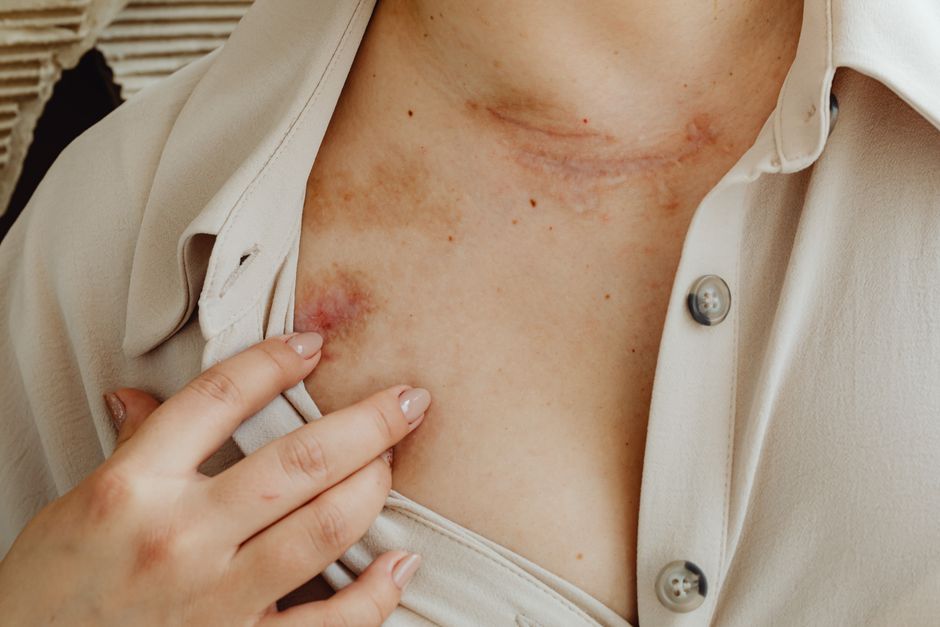
Post-inflammatory hyperpigmentation, often called PIH, is not a true scar. It is a flat dark spot left after a pimple, cut, or rash heals. Unlike raised or indented scars, PIH is a color change in the skin. You can fade it, and you can prevent new ones. The fastest approach combines consistent topical treatments with strict sun protection. Daily sunscreen, ingredients like hydroquinone or retinoids, and early treatment of inflammation give the best results.
What Exactly Are PIH Scars?
PIH is a common skin condition. It happens when inflammation triggers extra melanin production. Any skin injury that causes inflammation — acne, eczema, a bug bite, a burn — can leave a dark mark. The mark is flat. It may be pink, red, brown, or black depending on your skin tone.
PIH is not a true scar. True scars involve collagen damage and change the skin texture. PIH is only pigment. It sits in the epidermis (top layer) or sometimes in the dermis (deeper layer). Epidermal PIH fades faster. Dermal PIH takes longer. The color of the spot often gives a clue: brown spots are usually epidermal, blue-gray spots suggest dermal pigment. A dermatologist can confirm.
Anyone can develop PIH. People with medium to dark skin tones are more prone because they produce more melanin. Sun exposure also makes PIH worse, which is why sun protection is essential.
How To Get Rid Of Pih Scars Fast And Prevent New Ones
The most effective strategy uses two approaches at once: treat existing dark spots and stop new ones from forming. Speed depends on the treatment strength, your consistency, and your skin type. Here are the evidence-backed methods.
Topical Treatments That Work
Hydroquinone is the gold standard for lightening PIH. It blocks the enzyme that produces melanin. In the United States, over-the-counter products contain up to 2%. A prescription can be 4% or higher. Do not use hydroquinone for longer than six months without a break. Long-term or heavy use can rarely cause ochronosis — a bluish darkening of the skin. Start with 2%, apply once or twice daily. Combine with sunscreen.
Retinoids speed cell turnover. They push pigmented skin cells out faster. Over-the-counter retinol is effective, but prescription tretinoin is stronger. Tretinoin is well-studied for PIH. It also treats acne, which helps prevent new spots. Retinoids can cause irritation, so start low and apply every two to three days. Irritation can worsen PIH in darker skin tones, so go slow.
Vitamin C (L-ascorbic acid) is an antioxidant that reduces melanin production. It also brightens skin and protects from sun damage. Studies show that vitamin C combined with other ingredients fades PIH over several months. It is less effective than hydroquinone but gentler.
Azelaic acid is effective for both acne and PIH. It calms inflammation and reduces pigmentation. Like vitamin C, it is milder than hydroquinone. It is available over the counter at 10% and by prescription at 15% or 20%. Azelaic acid is safe for darker skin tones.
Niacinamide (vitamin B3) blocks pigment transfer to skin cells. It also helps repair the skin barrier. Multiple studies show that 4% niacinamide reduces PIH, though not as fast as hydroquinone. It is well tolerated and can be used long term.
In-Office Procedures
Chemical peels using glycolic, salicylic, or lactic acid can speed fading. Superficial peels done every two to four weeks help. Deeper peels carry more risk for darker skin and may cause post-inflammatory hyperpigmentation themselves. Always see an experienced practitioner.
Laser treatments such as Q-switched Nd:YAG or Fraxel can target pigment without damaging the skin surface. Results can be dramatic, but the procedure is expensive and requires multiple sessions. Darker skin tones need extra caution to avoid laser-induced hyperpigmentation.
What Treatments Are Most Effective for PIH?
Ranking treatments requires honesty about the evidence. Hydroquinone — especially prescription strength — has the most human trials backing it for PIH. A typical study shows 2% hydroquinone reduces pigmentation in six to eight weeks. Tretinoin is also well-proven, often combined with hydroquinone. Dermatologists often prescribe a triple cream: hydroquinone, tretinoin, and a mild steroid (like in the Kligman formula) for stubborn cases.
Vitamin C and azelaic acid have solid but more modest evidence. Niacinamide has moderate evidence. These are good options if hydroquinone is not suitable or for maintenance after the pigmentation fades.
Chemical peels and lasers are second-line treatments for people who do not respond to topicals or want faster results. The evidence from randomized trials supports their use, but the risk of side effects (especially in darker skin) means they should be approached carefully.
One important point: no treatment works well without sun protection. UV light stimulates melanocytes even through clouds and windows. Sunscreen alone can gradually fade PIH, but that takes many months.




How Long Does It Take to See Results?
With consistent use of an effective topical, you should see improvement in four to eight weeks. Full clearing of flat PIH can take three to six months. Deeper dermal pigment may need six to twelve months, and some spots may not fully go away with topicals alone.
Laser treatments can show results in one to two sessions, but multiple sessions are usually needed. The speed also depends on your skin tone and the cause of the PIH. Acne-related PIH tends to fade faster than PIH from burns or injuries.
Avoid picking or squeezing pimples. That causes more inflammation and leads to darker spots that last longer. Picking is the number one cause of stubborn PIH.
How to Prevent New PIH Scars from Forming
Preventing PIH means controlling the inflammation that triggers it. If you have acne, treat breakouts early. Over-the-counter salicylic acid or benzoyl peroxide helps. Prescription retinoids or antibiotics can reduce the severity. The fewer inflamed pimples you have, the fewer PIH marks you get.
Sun protection is non-negotiable for prevention. Use a broad-spectrum sunscreen with SPF 30 or higher every day. Apply it to all exposed areas, not just the face. Reapply every two hours if you are outside. Sunlight makes existing PIH darker and causes new spots to form after minor inflammation.
Do not pick at scabs, pimples, or insect bites. That is the most common avoidable cause of PIH. If an area becomes inflamed, apply a soothing product. A over-the-counter hydrocortisone cream for a few days can reduce redness, but do not use steroids long-term on the face. Other anti-inflammatory ingredients like niacinamide, licorice root extract, or azelaic acid can help.
Be careful with abrasive scrubs and harsh chemical exfoliants. They can irritate the skin and trigger more pigment, especially in darker skin. Gentle cleansing and moisturizing are safer.
Can PIH Be Confused with Other Scar Types?
Yes. Many people call any mark left after a pimple a “scar.” True scars include atrophic (sunken) scars and hypertrophic (raised) scars. PIH is flat. A simple check: run your finger over the spot. If the skin feels smooth and level, it is likely PIH. If it dips or bumps, it is a true scar.
Treatment for PIH and true scars is different. Atrophic scars respond to microneedling, filler, or laser resurfacing — not pigment-lightening creams. Hypertrophic scars may need steroid injections or silicone sheets. Mistaking PIH for a scar can lead to using the wrong treatments. If you are unsure, a dermatologist can distinguish them quickly with a Wood lamp exam or dermoscopy.
Frequently Asked Questions
Does sunscreen really help fade PIH?
Yes. Sunscreen prevents UV light from darkening the spots, allowing treatments to work better. Even daily incidental sun exposure slows pigment fading.
Can I use hydroquinone long-term?
No. Prolonged use beyond six months raises the risk of ochronosis, a permanent darkening. Short cycles with breaks are recommended.
Is vitamin C effective for dark spots?
Yes, but results are modest. Vitamin C works best when combined with other ingredients like sunscreen and retinoids, and it is generally safe for all skin tones.
What is the fastest way to get rid of PIH?
Prescription-strength hydroquinone plus tretinoin, used under a dermatologist’s guidance, produces the fastest results, often within four to six weeks.
