
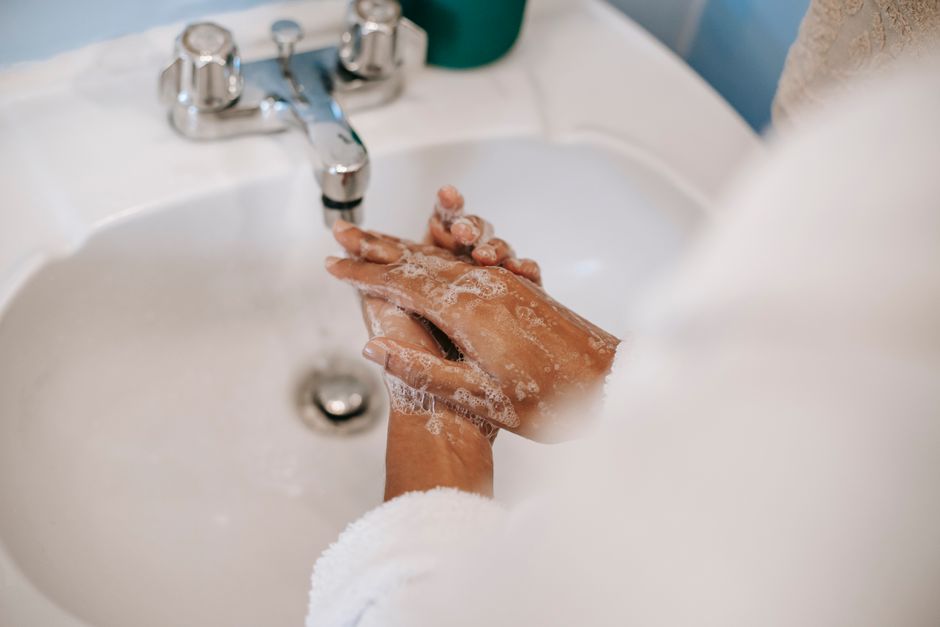
Croup is a viral infection, so you cannot prevent every case. What you can do is reduce how often the viruses that cause it spread in your home — mainly by washing hands well, cleaning high-touch surfaces, and keeping sick family members away from people at higher risk. Those steps lower the chance of infection, but they do not eliminate it.
Croup is most common in children between about 6 months and 3 years old, though older children and adults can get it too. The infection itself is usually mild. The barking cough and noisy breathing that worry parents come from swelling around the voice box and windpipe, not from the virus attacking the lungs directly.
Understanding how the viruses spread makes prevention much less mysterious. It also explains why some efforts matter more than others.
What Actually Causes Croup?
Croup is not one specific virus. It is a set of symptoms caused by several different respiratory viruses that all trigger swelling in the upper airway.
The most common cause is parainfluenza virus, particularly types 1 and 2. Other viruses can produce the same picture, including respiratory syncytial virus (RSV), adenovirus, influenza, and in some cases the viruses that cause the common cold. This matters for prevention because there is no single “croup virus” to avoid. You are trying to reduce exposure to a whole group of respiratory viruses.
The hallmark symptom — a seal-like barking cough — happens because the airway just below the vocal cords narrows. In young children that area is already small. A little swelling there makes a lot of noise. In adults, the same swelling causes hoarseness but rarely the dramatic breathing sounds seen in small children.
Croup tends to be worse at night. The reasons are not fully understood, but lying flat and the natural rhythm of the body’s inflammatory response during sleep are both thought to play a role.
How Does Croup Spread From Person To Person?
Respiratory viruses that cause croup spread mainly through droplets released when a sick person coughs or sneezes. They can also spread through touching a contaminated surface and then touching your eyes, nose, or mouth.
This second route — the surface route — is why handwashing and cleaning matter. A virus on a doorknob or toy does not launch itself into anyone. It waits to be picked up on a hand and then delivered to a mucous membrane.
Children are efficient at this delivery. They touch their faces constantly, share toys, and put objects in their mouths. That is one reason croup and similar illnesses move quickly through daycare centers and households with young children.
A person is usually contagious before symptoms appear and while they are sick. For many respiratory viruses, the contagious window starts a day or two before you feel unwell. This is part of why these infections are hard to fully contain — you can spread the virus before you know you have it.
How To Prevent Croup: Handwashing, Surfaces, And More
Hand hygiene is the single most practical step. Regular soap and water work well and are the standard recommendation for routine handwashing.
Wash for about 20 seconds — roughly the time it takes to sing “Happy Birthday” twice. Cover the backs of the hands, between the fingers, and under the nails. Rinse and dry. When soap and water are not available, an alcohol-based hand sanitizer with at least 60% alcohol is a reasonable substitute, though it does not work as well against all types of germs and is less effective when hands are visibly dirty.
Teach children to wash after using the bathroom, before eating, and after coming home from school or daycare. These are the moments that matter most.
Surface cleaning matters too, but it is second to hands. Focus on high-touch surfaces:
- Doorknobs and light switches
- Toys, especially shared ones
- Phone screens and tablets
- Countertops and table surfaces
- Bathroom faucets and handles
Routine household cleaners are adequate for most surfaces. The goal is to physically remove and reduce the viral load, not to sterilize your entire home. There is no evidence that extreme measures — like disinfecting every surface daily during a healthy week — provide meaningful extra protection.
Other steps that help:
- Keep sick children home from daycare or school while they are contagious.
- Avoid sharing cups, utensils, and towels during an illness.
- Cover coughs and sneezes with an elbow or tissue.
- Keep newborns and infants away from anyone with an active respiratory infection when you can.
- Stay current on recommended vaccines, including influenza and COVID-19 vaccines, since those viruses can also cause croup-like illness.
No single step is perfect. Layering them reduces risk more than any one action alone.





Does Cleaning Surfaces Really Make A Difference?
Yes, but the effect is smaller than most people assume. Handwashing is the bigger lever.
Here is the non-obvious part: a virus on a surface is not equally dangerous forever. Many respiratory viruses lose the ability to infect over hours to days, depending on the surface, temperature, and humidity. A toy that was coughed on this morning is a different risk than one coughed on three days ago.
That does not mean surface cleaning is pointless. It means the timing and the target matter. Cleaning high-touch surfaces during an active illness in the household is more useful than a deep clean when everyone is healthy.
Some parents worry that a child who gets croup once will get it repeatedly because of a “weak airway.” That is not accurate. Repeat episodes usually reflect repeat viral exposures, not a permanent weakness. As children grow, the airway widens, and croup becomes less common and typically less severe.
When Should You Seek Medical Care For Croup?
Most croup is manageable at home, but some signs warrant prompt medical attention. Seek care if a child has:
- Struggling to breathe or using chest and neck muscles to breathe
- Noisy breathing at rest that does not improve
- Pale, bluish, or gray color around the lips or face
- Drooling or trouble swallowing
- Extreme sleepiness or difficulty waking
- A high fever with a very ill appearance
These signs suggest the airway may be significantly narrowed or that something other than typical croup is going on. Do not wait to see if it improves on its own.
For milder cases, cool night air or a steamy bathroom is often used to ease breathing, though the evidence for these home remedies is limited and mixed. Some clinicians recommend them because they are low-risk and may calm a distressed child, but they are not proven treatments. If a child is working hard to breathe, home remedies are not a substitute for medical evaluation.
Croup symptoms often worsen at night and improve during the day. It is reasonable to check on a child more often during the first night or two of symptoms.
Can You Prevent Croup Entirely?
No. Because croup is caused by many common viruses, complete prevention is not realistic. Most children will have at least one episode, and many will have more.
What prevention can do is reduce frequency and lower the chance of spreading illness to others, especially those at higher risk. Handwashing, cleaning high-touch surfaces during active illness, and keeping sick children home are the steps with the clearest rationale.
It is also worth being honest about what does not work. There is no evidence that vitamin supplements, special diets, or air purifiers prevent croup specifically. Some of these may have general health benefits, but none have been shown to stop the viruses that cause croup from infecting a child.
If your child gets croup, the goal shifts from prevention to comfort and monitoring. Most cases resolve within a few days to a week as the underlying viral infection runs its course.
Frequently Asked Questions
How long is croup contagious?
A child is usually contagious for a few days, starting before symptoms appear and continuing while they are sick. The exact window depends on which virus is causing the croup.
Can adults get croup from a child?
Adults can catch the same viruses, but they rarely develop classic croup because their airways are larger. They may instead get a bad cold, hoarseness, or a cough.
Does hand sanitizer work against croup viruses?
Alcohol-based sanitizer with at least 60% alcohol can reduce many respiratory viruses on hands, but soap and water are more reliable. Wash with soap and water whenever it is available.
Should I disinfect toys if my child has croup?
Cleaning shared toys during an active illness is reasonable and may reduce spread to siblings. Routine cleaning is enough; there is no need for extreme disinfection.
