

Hand, foot, and mouth disease (HFMD) spreads mainly through close contact with respiratory droplets, saliva, blister fluid, and stool from an infected person. To prevent the spread, wash hands often with soap and water, disinfect shared surfaces and toys, keep sick children home from school or daycare, and avoid sharing cups, utensils, and towels. The virus can linger in stool for weeks after symptoms fade, so good hygiene needs to continue well past the point when a child looks well again.
What Causes Hand, Foot, and Mouth Disease?
HFMD is caused by viruses in the enterovirus family. In the United States, coxsackievirus A16 and enterovirus A71 (EV-A71) are the most common culprits. Several other enteroviruses can produce the same illness.
These viruses live in the digestive tract and spread through what doctors call the fecal-oral route, meaning tiny amounts of stool contaminate hands, food, or objects and then enter another person’s mouth. They also spread through respiratory droplets when a sick child coughs or sneezes, and through direct contact with the fluid inside the blisters.
The virus is most contagious during the first week of illness, when fever and sore throat are present and blisters are still forming. But this is where a lot of parents get caught off guard: the virus can be shed in stool for days to weeks after all symptoms are gone. A child who looks completely fine can still pass it on.
HFMD is not the same as foot-and-mouth disease, which affects livestock. The similar names cause confusion, but the two illnesses are caused by entirely different viruses and are not related.
How To Prevent The Spread Of Hand Foot And Mouth At Home?
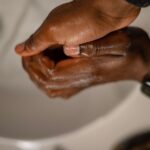
Hand washing is the single most effective step. Wash hands with soap and water for at least 20 seconds, especially after changing diapers, using the toilet, wiping a child’s nose, or handling blisters.
Alcohol-based hand sanitizers do not work well against enteroviruses. Soap and water is the reliable option. This is one of those details that matters more than people expect — many parents reach for sanitizer out of habit, but it is not the right tool here.
Other practical steps that help:
- Wash hands after touching blister fluid or changing diapers, and help young children wash theirs.
- Clean and disinfect toys, doorknobs, and surfaces that get touched often.
- Do not share cups, utensils, water bottles, or towels.
- Wash soiled clothing, bedding, and towels in hot water and dry them thoroughly.
- Cover coughs and sneezes with a tissue or elbow.
- Keep children home while they are sick and feverish.
Disinfecting matters because enteroviruses can survive on hard surfaces long enough to be picked up by the next person. A standard household disinfectant or a diluted bleach solution works. Check the product label for the contact time — the surface usually needs to stay wet for a set number of minutes to actually kill the virus.
When Should A Child Stay Home From School or Daycare?
A child with HFMD should stay home while they have a fever and feel unwell, and while blisters are present and draining. Most children can return once they have been fever-free for 24 hours without fever-reducing medicine and feel well enough to participate.
Here is a point that trips up many parents and even some schools: the virus can still be shed in stool for weeks after a child returns. Because of this, some daycare centers and schools have their own return policies, and they may differ from one another. Some require a doctor’s note. Some follow a specific number of days. Check with your child’s specific school or center rather than assuming a single national rule applies.
The CDC does not recommend excluding children from school solely because they still have a rash or blisters, as long as they feel well and other conditions are met. But policies vary, and it is reasonable to follow your school’s guidance.




Can Adults Get Hand, Foot, and Mouth Disease?
Yes. Adults can get HFMD, though it is much more common in children under 5. When adults do get it, they often have milder symptoms or no symptoms at all — but they can still spread the virus to others.
This matters for prevention. An adult with no visible symptoms can pass the virus to a child through close contact, diaper changes, or sharing food. Adults who are around young children, especially parents and childcare workers, should follow the same hand hygiene steps as they would for a sick child.
Adults with weakened immune systems may be at higher risk for more serious illness. If an adult develops symptoms, the same general care applies: rest, fluids, and pain relief as needed.
What About Cleaning and Disinfecting?
Enteroviruses are not easily killed by every cleaner. Regular soap and water removes the virus from hands and surfaces, but for disinfection on hard surfaces, a product labeled as effective against enteroviruses or a diluted bleach solution is the better choice.
Focus on high-touch areas: toys, pacifiers, crib rails, changing tables, doorknobs, light switches, and bathroom fixtures. In daycare settings, shared toys should be cleaned between uses when possible.
For soft items that cannot be wiped down, washing in hot water and drying on a high heat setting helps. Items that cannot be washed and are heavily contaminated may need to be discarded during an active illness.
Is There a Vaccine or Treatment for Hand, Foot, and Mouth Disease?
There is no vaccine available in the United States to prevent HFMD. A vaccine against EV-A71 has been used in China, but it targets only one of the viruses that cause HFMD and is not available in the U.S.
There is also no specific antiviral treatment. Care is supportive: fluids to prevent dehydration, rest, and over-the-counter pain and fever reducers. Aspirin should not be given to children due to the risk of Reye’s syndrome.
Because there is no vaccine and no targeted treatment, prevention comes down to hygiene and limiting contact with infected people. That is not a satisfying answer for parents looking for a quick fix, but it is the accurate one.
What If Someone in the Household Is Already Sick?
Once one person in a household has HFMD, the goal shifts to containing it. Keep the sick person’s cups, utensils, and towels separate. Wash hands frequently, especially after any contact with the sick person or their belongings.
If possible, limit close contact between the sick person and others in the home, particularly infants and anyone with a weakened immune system. Disinfect shared bathrooms and high-touch surfaces daily.
Continue these steps for at least a week after symptoms resolve. Because the virus can persist in stool longer, keep up hand hygiene after diaper changes and bathroom use for several weeks, especially if there is a young child in the home.
Frequently Asked Questions
How long is hand, foot, and mouth disease contagious?
A person is most contagious during the first week of illness, when fever and blisters are present. The virus can still be shed in stool for days to weeks after symptoms go away, so hand hygiene should continue after the person feels well.
Can you get hand, foot, and mouth disease more than once?
Yes. Because several different viruses cause HFMD, getting it once does not protect you from all future cases. Immunity develops only to the specific virus you had.
Does hand sanitizer kill the virus that causes hand, foot, and mouth disease?
Alcohol-based hand sanitizers are not reliable against enteroviruses, which cause HFMD. Washing with soap and water for at least 20 seconds is the recommended method.
When can a child with hand, foot, and mouth disease go back to daycare?
Most children can return once they have had no fever for 24 hours without fever-reducing medicine and feel well enough to take part in activities. Check with your specific daycare or school, since return policies vary.
